

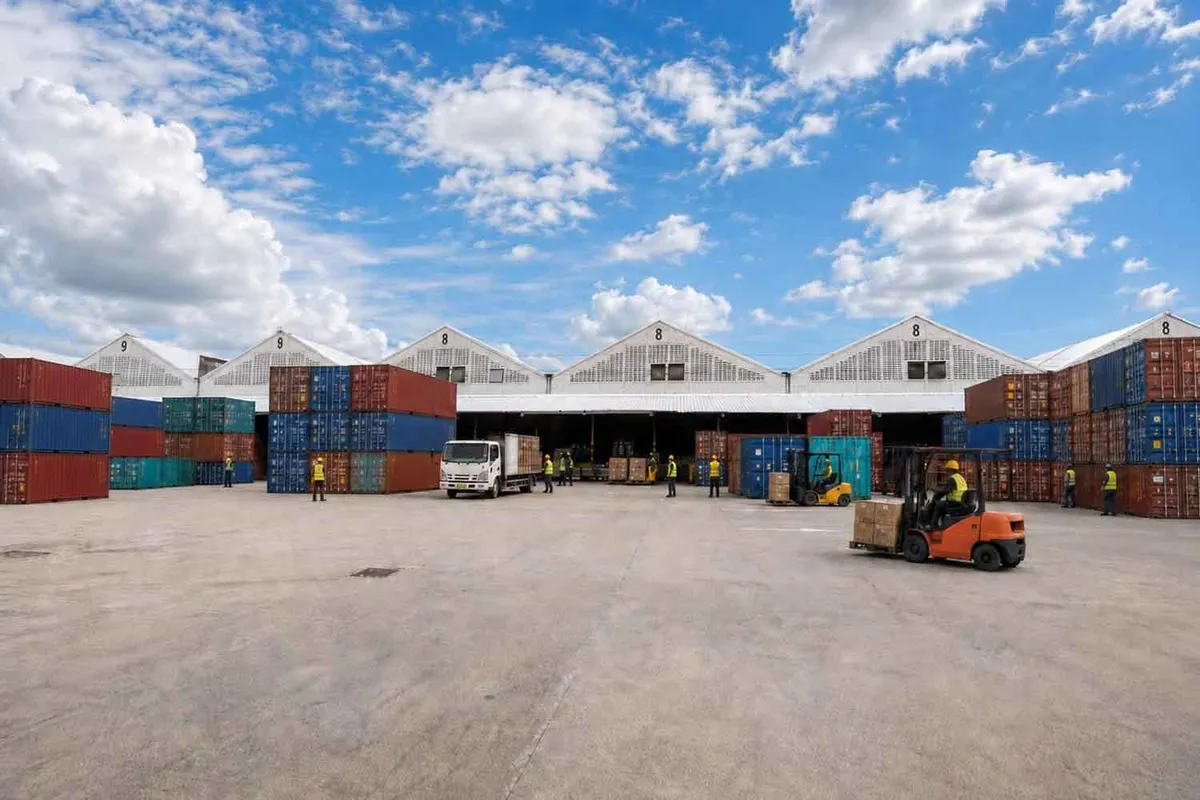
Port Enhances Operations with Dedicated LCL Import Hub
Bangkok Port has inaugurated a new, specialized facility designed to streamline the handling of less-than-container-load (LCL) imports arriving via coastal shipping. This significant development aims to improve efficiency and reduce transit times for goods moving through the busy maritime hub.
The expansive 22,000-square-meter facility, situated at Warehouses 8 and 9, is specifically equipped to manage LCL imports transported along coastal routes, including those originating from Laem Chabang Port. This new setup marks a strategic move to segregate barge cargo operations from feeder vessel services, which historically shared the same infrastructure, often leading to operational bottlenecks and delays.
Improved Cargo Flow and Reduced Delays
According to acting director-general Sub Lt Rutthakorn Khiewpaisal, the dedicated area provides a crucial separation that will prevent future congestion. “This reduces waiting times, unnecessary container relocations and truck travel distances within the port, while improving safety and easing congestion,” Sub Lt Rutthakorn stated.
The facility boasts direct connectivity to Road No. 2 and is strategically positioned adjacent to container yards. This prime location allows for the immediate opening and processing of containers arriving by barge as soon as they dock, significantly accelerating the initial stages of cargo handling.
Optimizing LCL Logistics
LCL shipments, which consolidate goods from multiple importers into a single container to maximize space and minimize costs, require meticulous sorting, inspection, storage, and distribution once they reach their destination. The new facility is designed to handle these complex processes more effectively.
The port authority anticipates that this enhancement will lead to a more fluid cargo flow along coastal shipping routes, faster container turnover rates, and ultimately, lower operating expenses for shipping lines and logistics providers.
Supporting National Transport Policy
This initiative aligns with the Transport Ministry’s broader policy objectives to promote waterborne transport. By encouraging the use of coastal shipping, the port aims to contribute to reducing road traffic congestion and improving overall energy efficiency within the nation’s logistics network.
Moving forward, the port authority has indicated its commitment to ongoing upgrades of its facilities and management systems. These continuous improvements are intended to meet escalating demand and further solidify the country’s position as a key logistics gateway.
