

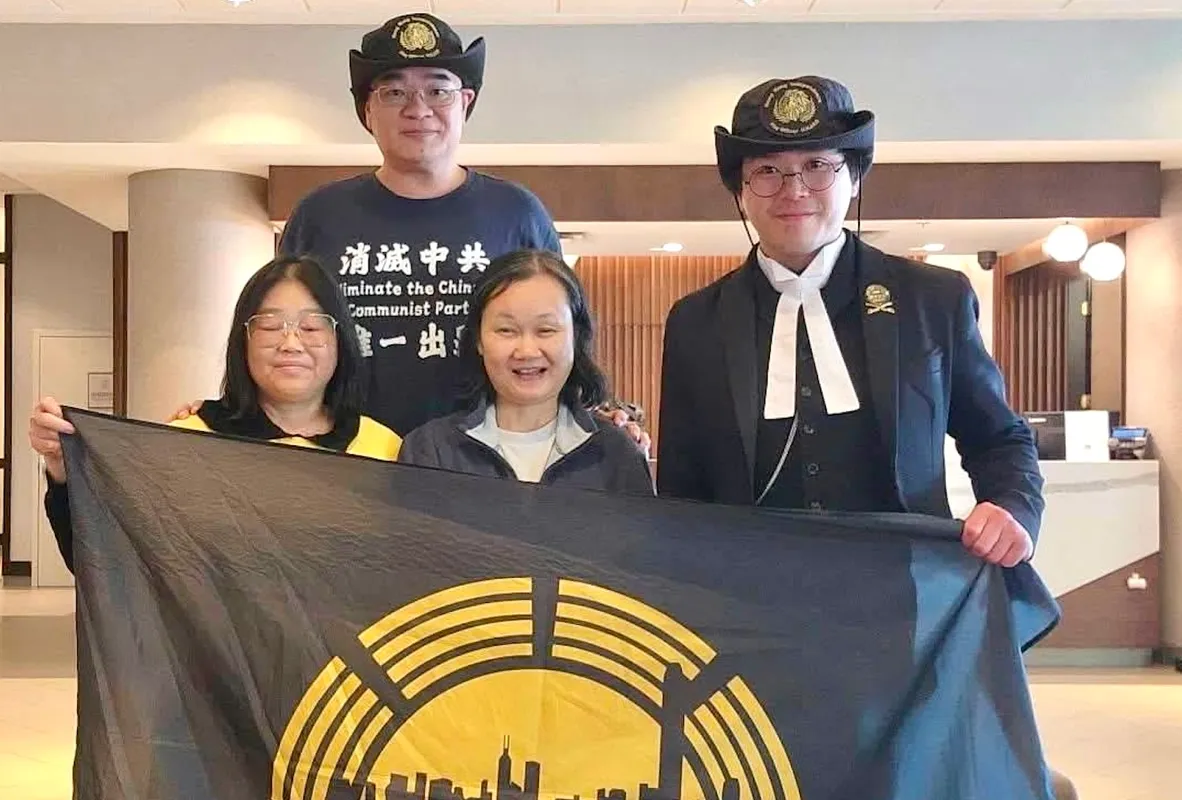
Zhang Xinyan, a 55-year-old Chinese national and democracy advocate, has successfully arrived in Vancouver, Canada, after a period of detention in Thailand. Her arrival on Monday, facilitated by Canadian officials and international pressure, marks a significant moment for exiled activists facing transnational repression. Sheng Xue, a Toronto-based activist who championed Zhang’s case, shared news of her landing and a photograph of her at Vancouver International Airport surrounded by supporters.
Background of Zhang Xinyan’s Exile and Detention
Zhang Xinyan, also known as Lily Zhang, is a prominent figure among Hong Kong democracy campaigners living in self-imposed exile. She initially relocated to Thailand in 2014 to seek refuge from persecution in China due to her involvement with Falun Gong, a spiritual practice outlawed in mainland China. Her situation escalated on May 7 of this year when she was apprehended in Bangkok for overstaying her visa. Following her arrest, she was transferred to the Suan Phlu immigration detention center, sparking widespread concern among her supporters about a potential deportation back to China or Hong Kong.
Efforts for Resettlement and International Intervention
Sheng Xue played a crucial role in initiating efforts to resettle Zhang, who already possessed UN-approved refugee status. Canadian authorities reviewed Zhang’s case and subsequently approved her resettlement application. A flight to Vancouver was arranged by the Canadian embassy in Thailand for July 8. However, Zhang was prevented from boarding and was returned to the detention center, a move that intensified fears for her safety.
Zhang Xinyan is among 19 overseas activists targeted by Hong Kong police with arrest warrants issued in July 2025. These warrants, issued under the Beijing-imposed National Security Law, accuse the activists of subversion. The Hong Kong authorities have placed bounties ranging from HK$200,000 to HK$1 million on their heads. Had Zhang been deported to Hong Kong, she would have been the first individual charged under the national security law to face such a consequence, potentially leading to imprisonment.
Resolution and Safe Departure
The successful departure of Zhang Xinyan from Thailand was the result of sustained pressure from various international bodies and governments. According to Sheng Xue, interventions by the Canadian government, the UN refugee agency, Thai lawmakers, and international human rights organizations were instrumental in preventing her deportation. Sheng Xuenoted in an email that once Thai authorities recognized Canada’s firm stance, they shifted their approach to ensure Zhang’s safe departure.
“Once Thai authorities recognised Canada’s uncompromising stance, they abandoned their resistance and pivoted to ensuring her safe departure by all available means,” Sheng Xue stated. She further detailed the extraordinary measures taken on the night of Zhang’s departure, describing how senior Thai police officers, accompanied by Canadian diplomats, personally escorted Zhang to Suvarnabhumi Airport to board her flight to Canada. This escort was reportedly carried out under direct orders from senior commanders, with dedicated drivers ensuring her safe passage.
Broader Implications and Transnational Repression
Zhang Xinyan’s case highlights the growing concerns surrounding transnational repression, where governments attempt to extend their reach beyond their borders to silence dissidents and critics. Sheng Xue characterized Zhang’s arrival in Canada as a significant setback for the Chinese Communist Party’s (CCP) efforts in long-arm jurisdiction, diplomatic coercion, and transnational repression, particularly in Southeast Asia and globally.
Coincidentally, around the same time Zhang was initially prevented from flying to Canada, Thai authorities also detained Chinese journalist Bai Zhaodong. Bai is currently in immigration detention, and China has formally requested his extradition, alleging charges of extortion and bribery. While Bai’s case remains ongoing, Zhang’s successful resettlement underscores the complex geopolitical landscape faced by exiled activists and the critical role of international advocacy and diplomatic intervention in protecting their rights and safety.
Conclusion
The arrival of Zhang Xinyan in Canada concludes a tense period of uncertainty and advocacy. Her journey from detention in Bangkok to safety in Vancouver serves as a testament to the effectiveness of coordinated international efforts in safeguarding individuals targeted by authoritarian regimes. Her case also brings renewed attention to the challenges faced by exiled activists and the broader issue of transnational repression, emphasizing the ongoing need for vigilance and support from the international community.
