

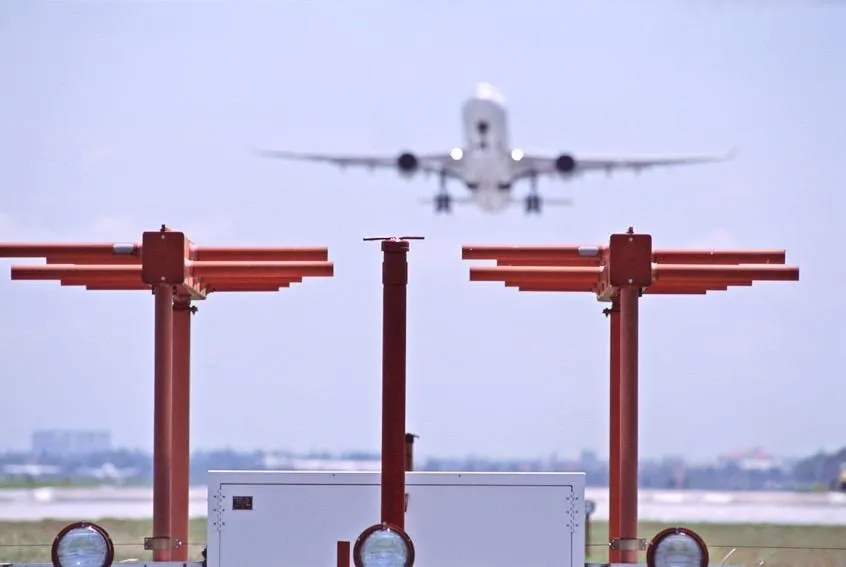
Aerothai, the state-owned enterprise responsible for air traffic control in Thailand, has been directed by the Ministry of Transport to prolong its financial relief measures for airlines. This decision comes in response to the persistent volatility in global energy markets, which continues to impact operational expenses for air carriers. The ongoing geopolitical tensions in the Middle East are a primary driver of these elevated energy costs, directly affecting jet fuel prices and, consequently, the financial health of the aviation sector.
Extended Support for Airline Operations
The directive from the Ministry of Transport aims to alleviate the financial strain on airlines, enhance their liquidity, and support their continued operations. Following a board meeting on June 24, Aerothai’s directors officially approved a two-month extension of these crucial assistance programs. These measures will now be in effect throughout July and August, providing a much-needed reprieve for the industry.
Key Relief Components
The extended support package includes several key provisions designed to offer tangible financial benefits to airlines operating within Thailand:
- Discount on Air Navigation Charges: Domestic flights will continue to benefit from a 30% reduction in air navigation service fees. This discount directly lowers a significant operational cost for airlines flying within the country.
- Deferred Payment Options: Airlines will be permitted to defer a portion of their service charge payments. Under this arrangement, 50% of the charges are due by the original deadline, with the remaining 50% payable an additional 30 days later. This flexibility helps airlines manage their cash flow more effectively.
These measures are specifically designed to mitigate the impact of fluctuating jet fuel prices, a major component of an airline’s operating budget. By reducing these costs, the Ministry of Transport and Aerothai hope to bolster the financial resilience of the aviation sector during this challenging period.
Enhancing Efficiency and Safety
Beyond direct financial relief, Aerothai is also focusing on operational enhancements to further support airlines and passengers. The organization is committed to improving the efficiency of its air traffic management systems. The goal is to minimize flight delays, which not only cause inconvenience to travelers but also lead to increased fuel consumption and operational costs for airlines.
By optimizing air traffic flow and reducing holding patterns, Aerothai aims to enable aircraft to operate more efficiently. This translates into shorter flight times and reduced fuel burn, contributing to both cost savings for airlines and a lower environmental impact. Crucially, all these efficiency improvements are being implemented while upholding the highest standards of flight safety, ensuring the well-being of all passengers and crew.
Context of Energy Market Volatility
The decision to extend these relief measures is underscored by the unpredictable nature of global energy markets. The ongoing unrest in the Middle East has created significant uncertainty, leading to price fluctuations in crude oil, which directly impacts jet fuel costs. These geopolitical factors can cause rapid and substantial shifts in the cost of aviation fuel, making financial planning difficult for airlines.
For context, projections made earlier in the year indicated potential price points for crude oil. In April, the Fiscal Policy Office (FPO) had forecasted an average Dubai crude oil price of approximately US$91 per barrel for the year. However, market dynamics have shown considerable variation. As of June 30, the price of Dubai crude was recorded at $79.21 per barrel. This divergence highlights the challenge in predicting energy costs and the importance of supportive measures for industries heavily reliant on fuel.
Conclusion
The extension of Aerothai’s air navigation charge relief measures for July and August represents a proactive step by the Thai government to support its aviation industry. By providing financial relief and focusing on operational efficiencies, Aerothai and the Ministry of Transport are working to help airlines navigate the complexities of rising energy costs and market volatility. This dual approach of cost reduction and efficiency enhancement aims to ensure the continued stability and safety of air travel within Thailand, benefiting both the industry and the traveling public.
