

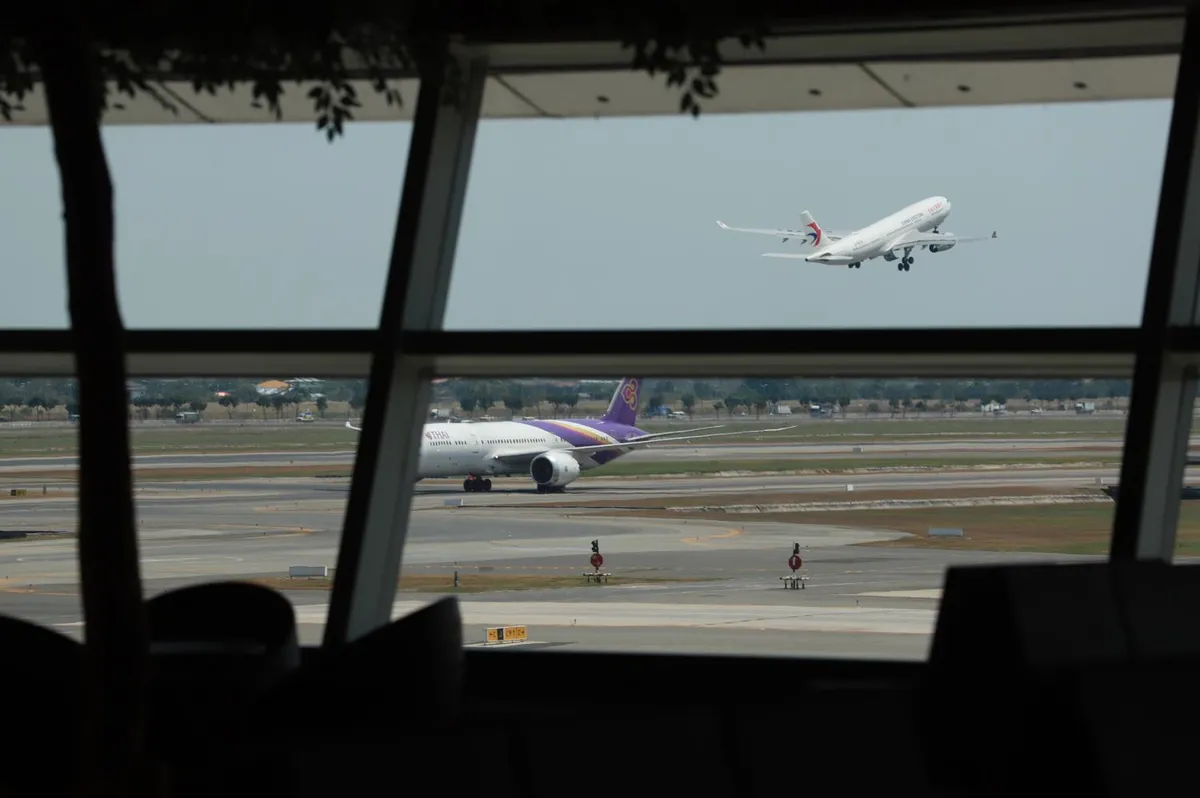
A proposed tourism fee intended to bolster Thailand’s tourism sector is encountering significant implementation challenges, primarily concerning the practicalities and legality of collection. The plan, which involves airlines acting as intermediaries for the government, has drawn criticism from aviation industry representatives who deem it unworkable and suggest alternative collection methods.
Proposed Tourism Fee Mechanism
The Thai Ministry of Tourism and Sports had initially requested that airlines serve as a platform to collect a new tourism fee from passengers on behalf of the government. This fee is governed by the National Tourism Policy Act. However, a key legal constraint emerged: the act does not permit the collection of this fee from Thai citizens, making it unlawful to charge them directly.
To circumvent this legal barrier, the ministry proposed a system where airlines would charge all passengers the standard fee. Subsequently, Thai passengers would be reimbursed, with the government covering the administrative expenses associated with this reimbursement process. This approach aimed to ensure a uniform collection process while adhering to the legal restrictions regarding Thai nationals.
Industry Objections and Practical Concerns
Representatives from the aviation industry, including the Airlines Association of Thailand (AAT) and the International Air Transport Association (IATA), have voiced strong objections to the proposed collection method. Sheldon Hee, IATA’s regional vice-president for Asia-Pacific, stated that collecting a tourism tax through airlines is fundamentally infeasible and would introduce substantial complications.
Hee highlighted several critical issues:
- Passenger Data Limitations: Airlines typically do not collect detailed personal information such as nationality, passport details, or residential addresses during the booking process. The essential data points are usually limited to the passenger’s name and destination. Integrating a nationality-based fee collection would require a significant overhaul of booking systems.
- Operational Inefficiencies: The proposal could disrupt airport operations. Questions arise about how airlines would manage situations where a passenger subject to the tourism tax has not made the payment. Processing such payments at airports is not standard practice and could lead to delays and administrative burdens.
- System Complexity for Airlines: The AAT pointed out that Thai airlines utilize diverse back-office systems. Integrating a new fee collection mechanism, especially with over 100 foreign airlines operating routes to Thailand, would further complicate implementation for each operator.
Alternative Collection Methods Proposed
In light of these challenges, industry stakeholders have proposed a more streamlined and effective alternative: collecting the fee through the Thailand Pass system, officially known as the Travel Declaration and Certificate (TDAC). This digital immigration platform requires foreign visitors to complete a declaration before entering Thailand.
IATA’s Hee suggested that the TDAC would be a more suitable channel. The Immigration Bureau administers this system and reports directly to the government, making it a more integrated and official collection point compared to independent airlines. The AAT and other aviation stakeholders present at a recent meeting with the ministry agreed with this assessment.
The association emphasized that using the TDAC aligns better with government oversight, as airlines operate with a degree of independence from state control. This centralized digital platform offers a more direct and manageable route for fee collection.
Broader Implications and Recommendations
While countries generally possess the sovereign right to set their own tourism policies, including fees, IATA noted potential unintended consequences. Hee mentioned that such policies could raise concerns regarding the International Civil Aviation Organization’s principles, which advocate for non-discriminatory treatment of all passengers.
IATA’s role, as explained by Hee, is to offer advice on potential negative impacts and identify more effective alternatives. He cautioned that introducing additional fees could deter travel to Thailand, particularly affecting regional travelers who are often more price-sensitive. This could hinder the country’s efforts to restore tourism numbers to pre-pandemic levels and potentially limit future growth if travel becomes less economically attractive.
The association called for enhanced collaboration among airlines, government bodies, and other aviation stakeholders. They stressed the importance of transparent discussions regarding taxes and charges, noting that some levies, despite their intended purpose (such as improving aviation infrastructure), may prove unviable for airlines or negatively impact travel demand.
Conclusion
The proposed tourism fee in Thailand faces significant operational and legal hurdles if collected through airlines.
