

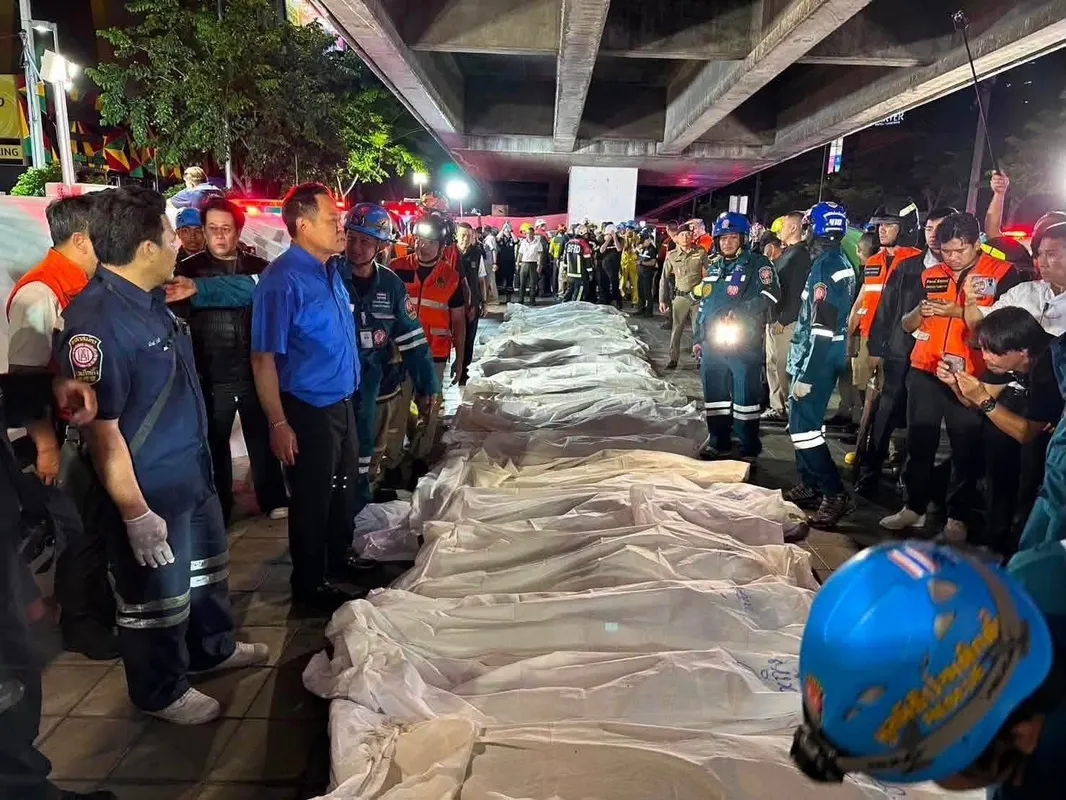
Following the tragic July 12 blaze at Rong Beer Na Ladprao, which claimed 33 lives and injured dozens, a familiar refrain has emerged: the need to “learn lessons.” However, this sentiment, often expressed in the wake of preventable disasters, is increasingly being met with exasperation. The focus is shifting from the abstract notion of learning to the urgent necessity of concrete action and accountability.
The Illusion of Learning from Tragedy
The instinct to declare that “lessons have been learned” after a catastrophe is understandable, but it often masks a deeper issue: the failure to implement existing knowledge. The Rong Beer Na Ladprao fire, the Ember Hotel incident of 2024, the Mountain B fire of 2022, and the devastating Santika nightclub fire of 2009 all share chilling similarities. The preventable nature of these tragedies suggests that the “lessons” needed are not new revelations but rather the consistent application of established safety principles.
This pattern extends beyond fires. Incidents like the Pathum Thani bus fire, which resulted in 23 fatalities, predominantly children, and the collapse of the State Audit Office building in 2025, raise the same question: were the underlying causes truly so complex that they required a unique disaster to uncover them? Or were they simply the predictable outcomes of negligence and overlooked safety protocols?
Thai Exceptionalism vs. Universal Safety Standards
A disheartening aspect of the discourse surrounding such events in Thailand is the recurring impression that the nation operates in a vacuum. Officials, media, and the public sometimes seem to believe that global best practices and proven safety measures are somehow inapplicable or unavailable. This perspective ignores decades of international experience in disaster prevention and mitigation.
The measures required to prevent or lessen the impact of incidents like the Rong Beer Na Ladprao, Mountain B, and Santika fires are not novel. They have been developed and refined globally over many years. The failure to utilize them in these specific instances is not a matter of lacking knowledge, but a profound failure of implementation and, arguably, a moral failing.
From ‘Mai Pen Rai’ to ‘Take Action’
The Thai cultural concept of “mai pen rai” (it’s alright) is often cited as both a charming national trait and a barrier to progress. It can foster a laid-back attitude that, in critical areas like public safety, can translate into a reluctance to address problems proactively or to persevere through the necessary, often tedious, work of ensuring compliance. This tendency can be exacerbated by the “lessons learned” approach, which can provide a temporary sense of closure without demanding lasting change.
Amorn Pimanmas, president of the Thailand Structural Engineers Association, voiced this sentiment directly in response to the Rong Beer Na Ladprao tragedy, stating, “The time for learning lessons is over, it is time to act.” This call highlights a growing impatience with the cycle of disaster, reflection, and inaction.
Reconsidering the ‘Lessons Learned’ Paradigm
The very notion of “learning lessons” from preventable tragedies needs critical re-evaluation. When disasters are the result of clear negligence or the disregard of known safety standards, the focus should not be on what new insights can be gained, but on why existing knowledge was ignored. The danger lies in allowing the ritual of “learning lessons” to pacify public outrage and regret, thereby delaying or preventing the necessary systemic changes.
For public safety to truly improve in Thailand, a shift is required. It’s insufficient for citizens to merely urge officials to “learn their lessons” or to seek accountability only after the fact. The demand must be for the rigorous implementation of established safety measures and protocols. Furthermore, unsafe practices and constructs should no longer be met with mere reprimands but should lead to significant public shaming and severe financial repercussions for those responsible.
The Path Forward: Action Over Acknowledgment
The tragedies at Rong Beer Na Ladprao and similar past events underscore a critical point: the fundamental lessons for preventing such loss of life have already been learned, globally and historically. What is missing is the unwavering commitment to applying them.
Moving forward requires a societal commitment to proactive safety. This involves:
- Demanding Strict Enforcement: Ensuring that existing safety regulations are not just on paper but are rigorously enforced by all relevant authorities.
- Promoting Transparency: Making safety inspection reports and compliance records publicly accessible.
- Implementing Severe Penalties: Instituting meaningful legal and financial consequences for negligence that leads to loss of life or injury.
- Fostering Public Awareness: Educating the public on their rights and responsibilities regarding safety in public spaces and workplaces.
- Holding Duty-Bearers Accountable: Establishing clear lines of responsibility and ensuring that individuals and organizations are held accountable for safety failures.
The time for passive acknowledgment of past failures is over. The Rong Beer Na Ladprao fire, like the tragedies that preceded it, serves as a stark reminder that the most crucial lessons are those that compel immediate, decisive, and effective action to protect lives.
