

Bluport Hua Hin, a prominent shopping and lifestyle complex, is undergoing a strategic transformation to cater more effectively to families and local residents, moving beyond its previous reliance on international tourism. This pivot acknowledges a significant shift in consumer behavior, recognizing that the retail landscape in Hua Hin can no longer depend solely on tourist footfall, even with the sector’s ongoing recovery.
Embracing a Family-Centric Approach
Vajee Klomkliang, an executive committee member of Hua Hin Asset Co., the developer and operator of the complex, explained that the strategy aims to make Bluport more accessible and welcoming. “Bluport once appeared too luxurious and difficult for many people to access. We are making it friendlier and more welcoming,” she stated. The company is actively diversifying its offerings, moving from a traditional retail model to emphasize family-oriented attractions and experiences.
Key additions to the complex include the popular indoor playground HarborLand, dedicated pickleball courts, educational facilities, and a range of sports-related tenants. This repositioning is transforming Bluport into a destination for sports and recreation. In collaboration with Proud Group Co., the developer behind the InterContinental Hua Hin Resort, Bluport is set to host various sporting events.
Future Developments and Enhancements
Further enhancing its appeal, Bluport has plans for a substantial 2,000-square-meter fitness center on the third floor, which will be operated by a well-known fitness brand. These developments are designed to create a more comprehensive and engaging environment for visitors of all ages.
Positive Impact on Visitor Numbers and Occupancy
The introduction of HarborLand earlier this year has already yielded positive results, with a reported 15-20% increase in Thai visitors. This surge is particularly noticeable among families from neighboring provinces and weekend visitors from Bangkok. On average, Bluport now attracts approximately 18,000 visitors on weekdays and around 25,000 on weekends.
To foster repeat visits from the local community, the mall hosts vintage markets every Wednesday and Saturday. These events have proven successful, driving more than 10% additional traffic on market days. The retail occupancy rate has also seen steady improvement, climbing to 80% from 75% last year and 63% in 2024. Hua Hin Asset Co. anticipates this figure will reach 83% by the end of the year.
Navigating Post-Pandemic Recovery
The complex faced significant challenges during the COVID-19 pandemic, reaching its lowest point in 2021 when parts of the mall were temporarily closed. “Hua Hin’s retail recovery was much slower than tourism,” Ms. Klomkliang observed. “We realised we had to create our own destinations instead of waiting for the market.” This realization spurred a strategic shift towards diversification beyond traditional retail.
Expanding Beyond Retail: Convention and Culture
A significant investment was made in the Hua Hin Convention Center, which opened two years ago. This facility aims to bolster the resort town’s capacity for meetings, incentives, conferences, and exhibitions (MICE). The convention center can accommodate up to 2,000 people in a theater-style setup or 1,000 for banquets, with daily rental fees around 120,000 baht. It achieved a 70% occupancy rate in the first half of this year.
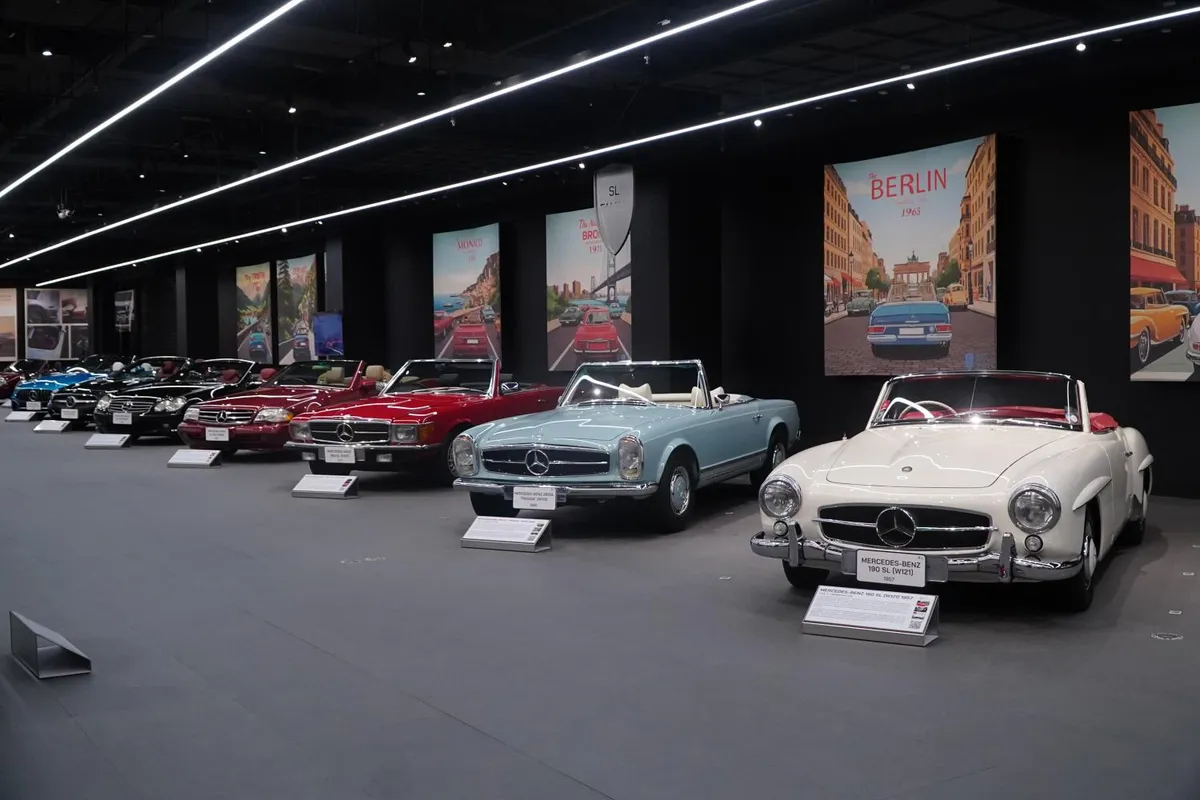
Another cultural attraction, Museo Auto Classica, debuted earlier this year. This unique venue combines Thailand’s first operational classic car museum with an art gallery. Since its opening, daily attendance has grown from approximately 100 visitors to around 300, with foreign visitors constituting 70% of the current audience.
Adapting to Evolving Tourism Patterns
Bluport is also benefiting from shifts in international tourism. Russian visitors have emerged as Hua Hin’s largest foreign market, often extending their stays during the winter season. The mall has also seen increased numbers of visitors from Britain, the United States, Hong Kong, Taiwan, and South Korea. Furthermore, a growing community of British expatriates contributes significantly to weekday spending at the complex.
Infrastructure and Connectivity Improvements
Looking ahead, improved transportation infrastructure is expected to further enhance Hua Hin’s tourism appeal. Ms. Klomkliang highlighted the anticipated benefits of the upcoming M82 motorway, the resumption of direct flights from Kuala Lumpur, and the new Nong Kae railway station, all of which will increase accessibility to the resort town.
“Hua Hin already has strong tourism fundamentals. What the city needs now is better transport,” she commented. Ms. Klomkliang also proposed the revival of a ferry service connecting Hua Hin and Pattaya. She believes this could cater to evolving family travel dynamics, where multi-generational groups often travel together. Such a service would support travel patterns where some family members might wish to continue to Pattaya while others prefer to remain in Hua Hin, thereby enhancing the overall travel experience for families.
