

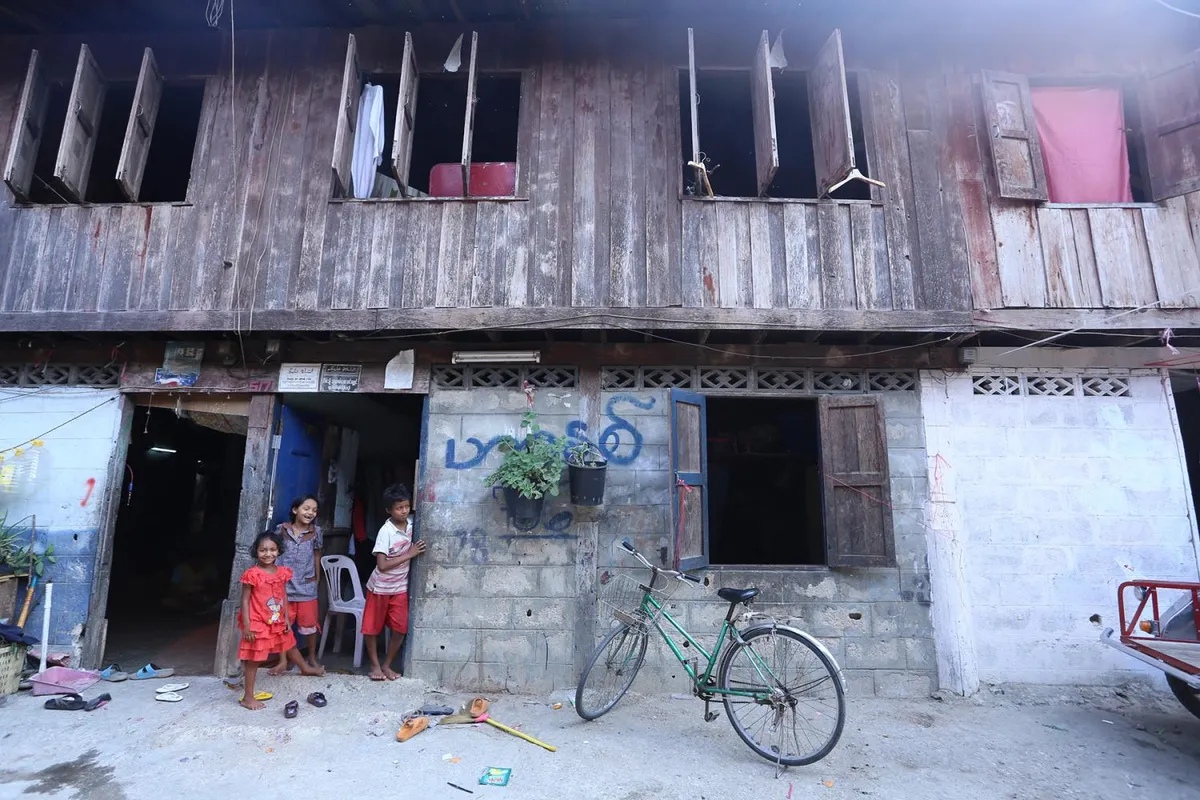
Thailand is implementing significant policy shifts to improve the management and integration of refugees, particularly focusing on the long-standing population of approximately 80,000 Myanmar nationals residing in camps along the western border. Many of these individuals, predominantly from ethnic minority groups, have lived in Thailand for around four decades, with a substantial portion, nearly 40,000, being of working age. These new measures represent a move towards a more cohesive and humanitarian approach, especially crucial given a recent decline in international aid.
Key Policy Innovations for Refugee Integration
A notable development is the introduction of a policy allowing refugees to seek employment outside their designated camps. This initiative is currently being rolled out, with initial processing for close to 10,000 individuals to work in over 40 locations across Thailand. The work permits issued under this program are valid for one year. This policy aims to foster greater self-reliance among refugees and simultaneously address labor shortages within the country. It marks a departure from the previous situation where refugees were largely confined to camps, lacking access to employment and meaningful opportunities.
Identification and Legal Status
Another crucial innovation is the issuance of “pink cards,” which serve as identification for non-Thai nationals. These cards are expected to facilitate refugees’ ability to open bank accounts and purchase SIM cards. More importantly, they offer protection against arrest as undocumented migrants, formally recognizing their status and entitlement to respectful treatment and protection.
Educational Reforms and Curriculum Alignment
The authorities are also considering integrating the Thai language into the educational curriculum within refugee camps. Currently, education is primarily conducted in Burmese. This potential shift is intended to better equip refugees with the language skills needed to engage with opportunities outside the camps. A subsequent step suggested is aligning the camp curriculum more closely with Thailand’s national curriculum to ensure a smoother transition for those seeking to integrate further. Concerns have also been raised about children attending schools outside the camps; it is recommended that they be allowed to continue their education without disruption.
Healthcare Access and Social Security
Regarding healthcare, refugees who secure employment and enroll in the social security system will gain access to medical benefits. For those remaining in the camps and not yet employed, medical check-ups are being offered. A nominal fee will apply for health insurance, with reduced rates for children, irrespective of their immigration status. The long-term goal is to expand access to Thailand’s universal healthcare system on a non-discriminatory basis.
Broader Issues of Freedom and Family Unity
Beyond these specific measures, several other areas require attention. Greater freedom of movement for refugees is advocated, along with the gradual opening of camps to foster better connections with surrounding communities. Upholding family unity is also paramount; individuals working outside the camps should be permitted to reside with their families. This principle aligns with Thailand’s commitment to the Convention on the Rights of the Child, particularly after withdrawing its reservation to Article 22, which protects refugee children’s rights.
Vulnerable Children and Protection
Children, especially unaccompanied minors, require particular focus. Best practices suggest placing them with nearby relatives when feasible. Robust safeguards against violence, abuse, and exploitation are necessary, alongside mechanisms to identify and refer vulnerable children to appropriate authorities. Community-based support is vital for addressing both physical trauma and psychosocial harm. Further investigation into potential online scams or exploitation targeting children near the border is also recommended.
Addressing New Arrivals and Other Refugee Groups
The plight of other refugee groups is also being considered. Since the 2021 military coup in Myanmar, new arrivals have periodically sought refuge in Thailand. While authorities have generally allowed temporary entry, they are often returned to the border. These new arrivals should also be registered and provided with basic necessities.
Rohingya Refugees and Detention
An ongoing issue concerns Rohingya refugees, with approximately 400 remaining in immigration detention. There is a call to transition them to community-based shelters. Encouragingly, a memorandum of understanding already allows Rohingya children to live in community-based care outside immigration facilities, a model that should receive continued support and monitoring. Local Muslim communities in Pattani province, supported by provincial authorities, have expressed willingness to provide shelter, aligning with Islamic principles of charity.
Conclusion: Continued Progress and Root Causes
Thailand’s humanitarian approach has garnered international recognition, with the “Thai model” of refugee management being cited by other nations. However, policymakers are urged not to become complacent, as substantial work remains. Enlightened leadership is essential for continued progress. Furthermore, addressing the root causes of displacement—such as human rights violations, lack of peace, democracy, and sustainable development—is fundamental to preventing people from being forced to flee their homes in the first place.
