

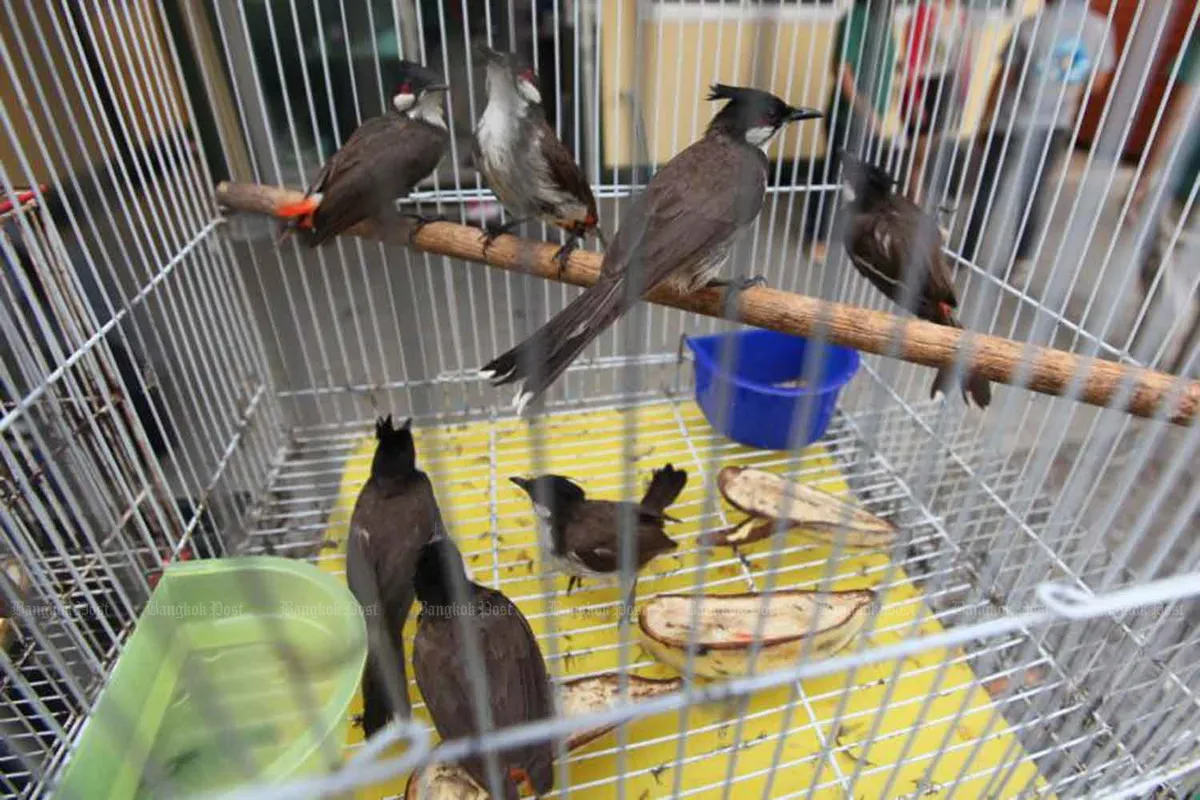
The bulbul bird has been officially removed from Thailand’s protected species list, a significant policy shift aimed at fostering commercial breeding, bolstering local economies, and promoting captive breeding initiatives. This decision, which came into effect recently, is intended to reduce pressure on wild bulbul populations by encouraging breeders to raise birds in controlled environments rather than capturing them from their natural habitats. The move also seeks to safeguard cultural practices, particularly the long-standing tradition of bird-song contests prevalent in the southern regions of the country.
Balancing Conservation and Economic Growth
Officials have emphasized that this decision represents a careful balance between supporting economic development and ensuring sustainable conservation efforts. The Department of National Parks, Wildlife and Plant Conservation will continue to oversee the species, maintaining a watchful eye on wild bulbul populations. Should monitoring indicate a decline in their numbers, the department has the authority to reinstate protection measures, ensuring the long-term survival of the species.
The policy change followed extensive public consultations held earlier this year. These consultations revealed widespread support for the delisting, with many stakeholders recognizing the potential benefits for both the economy and bird conservation. The government’s approach aims to create a framework where commercial breeding can thrive, providing economic opportunities for local communities while simultaneously contributing to the preservation of the bulbul species through regulated captive breeding programs.
Economic Opportunities and Cultural Preservation
The economic implications of this decision are considerable. The rise of commercial bulbul breeding is expected to create new income streams for individuals and businesses involved in the practice. This includes the breeding of birds for sale, the production of specialized feed and equipment, and the organization of bird-related events. By shifting the focus from wild capture to captive breeding, the initiative aims to create a more sustainable and ethical industry.
Furthermore, the move is seen as crucial for preserving cultural traditions. Bird-song contests have a deep-rooted history in parts of Thailand, particularly in the South, where the melodious calls of bulbuls are highly prized. These contests are not merely recreational; they are significant cultural events that bring communities together and celebrate a unique aspect of local heritage. Allowing for the legal and regulated breeding of bulbuls ensures that these traditions can continue to flourish without endangering wild populations.
The Role of Captive Breeding
Captive breeding is at the heart of this new policy. It offers a controlled environment where birds can be bred and raised, reducing the need to capture them from the wild. This approach helps to maintain the genetic diversity of the species and prevents the depletion of wild stocks. Breeders are expected to adhere to specific guidelines and standards set by the Department of National Parks to ensure the welfare of the birds and the effectiveness of the breeding programs.
The department’s role will be critical in establishing and enforcing these guidelines. This includes providing training and resources for breeders, monitoring breeding facilities, and collecting data on breeding success rates. The oversight mechanism is designed to be adaptive, allowing for adjustments based on ongoing assessments of both captive and wild populations.
Monitoring and Future Safeguards
The Department of National Parks will implement a robust monitoring system to track the health and numbers of wild bulbul populations across the country. This system will involve regular surveys and data collection, providing essential information for assessing the impact of the delisting and the success of the commercial breeding initiatives. The data gathered will be crucial for making informed decisions about future conservation strategies.
If wild populations show signs of stress or decline, the department has the mandate to act swiftly. This could involve reintroducing stricter protection measures, limiting the number of birds that can be bred commercially, or increasing enforcement against illegal wild capture. The commitment to reinstating protection underscores the government’s dedication to the long-term conservation of the bulbul species.
Conclusion
The delisting of the bulbul from protected status marks a significant development in Thailand’s approach to wildlife management. By enabling commercial breeding and supporting cultural traditions, the policy aims to foster economic growth and preserve heritage. Crucially, this is being pursued under the watchful eye of the Department of National Parks, with built-in safeguards to protect wild populations and ensure the sustainable future of the bulbul species. The success of this initiative will depend on the effective implementation of regulations, the cooperation of breeders, and ongoing vigilance in monitoring the health of both captive and wild bird populations.
