

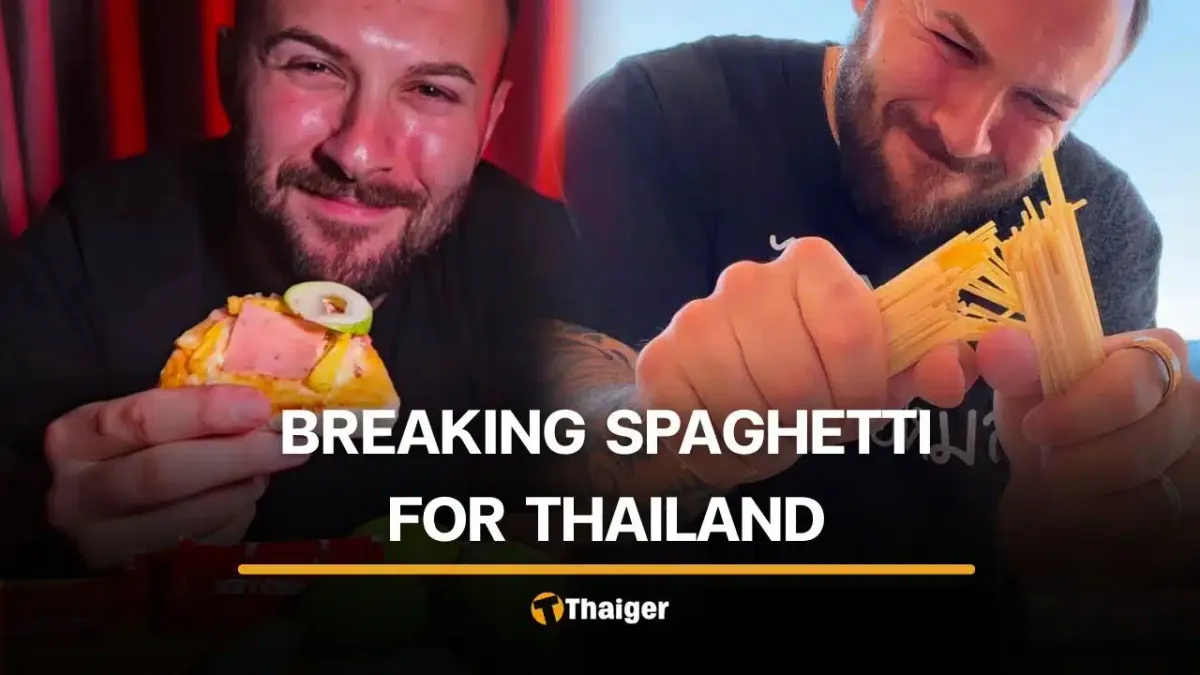
An Italian content creator based in Thailand has offered a light-hearted, humorous apology to Thai social media users following a dispute involving Italian students on a Bangkok BTS train. The creator, known as Edo Eats Wrong, used traditional Italian food items in a playful manner to address the online backlash, turning a tense situation into an opportunity for cultural exchange and understanding.
The BTS Incident and Online Reaction
The controversy began on July 23rd when a video circulated widely on TikTok, showing a confrontation on a Bangkok Mass Transit System (BTS) train. A Thai woman accused a group of Italian students of being excessively loud, disregarding her request for quiet, and allegedly making insulting remarks. The video quickly garnered significant attention, leading to widespread criticism directed at the students, their educational institution, and the travel agency involved.
In addition to demands for a formal apology, a wave of humorous responses emerged from Thai social media users. Many participants playfully suggested committing culinary “crimes” against Italian food as a way to mirror the perceived disrespect shown by the students. These lighthearted reactions included jokes about topping pizzas with pineapple and breaking spaghetti noodles in half before cooking them – actions considered taboo by many Italian food purists.
Edo Eats Wrong’s Culinary Apology
Italian content creator Edo Eats Wrong, who has a significant following in Thailand for his engagement with local culture and cuisine, decided to participate in the online trend with a series of tongue-in-cheek posts on Facebook. He presented his actions as a symbolic apology on behalf of the Italian students involved in the BTS incident.
In one notable post, Edo is depicted eating a pizza adorned with controversial toppings: pineapple and sour green mango. Adding another layer to the humor, a background image shows another individual holding a clothes hanger, a subtle reference to a common childhood disciplinary tool familiar to many Thai households. This visual cue underscored the playful nature of his apology, acknowledging the cultural context of the online discourse.
Further embracing the theme, Edo shared another post where he deliberately broke dry spaghetti in half before performing a traditional Thai wai, a gesture of respect and greeting. This act directly addressed the joking suggestions from Thai users about snapping spaghetti, combining a visual representation of the culinary “offense” with a sincere gesture of goodwill.
Follower Reception and Edo’s Background
Edo’s followers responded positively to his humorous apology, with many expressing amusement and indicating that they had readily forgiven the creator. The engagement extended further, with some followers encouraging Edo to escalate the joke by suggesting he serve the broken spaghetti with a popular Thai sauce, pad kra pao.
Edo Eats Wrong is a familiar and well-regarded figure among Thai audiences. He has built his online presence by showcasing his genuine enthusiasm for Thai culture and its diverse culinary landscape. Through his Facebook and TikTok channels, he regularly shares engaging content featuring his experiences trying various Thai foods and exploring local dishes. His adventurous palate has previously led him to experiment with unconventional pizza toppings, such as corn and even som tam, a spicy papaya salad.
Beyond his culinary explorations, Edo is also known for a video series documenting his journey to learn the Thai language. He often collaborates with his Thai girlfriend in these efforts, providing an authentic and relatable perspective on language acquisition and cultural immersion. His consistent dedication to engaging with and celebrating Thai culture has fostered a strong connection with his audience, enabling him to navigate sensitive situations with humor and cultural sensitivity.
Cultural Diplomacy Through Content
The incident highlights how online content creators can play a unique role in bridging cultural divides. Edo’s approach demonstrates how humor and a deep understanding of local customs can de-escalate tensions and foster goodwill. By participating in the online conversation with a culturally relevant and lighthearted apology, he not only diffused potential negativity but also reinforced his positive standing within the Thai online community. His actions serve as a reminder that even in the face of misunderstandings, shared humor and a willingness to engage respectfully can go a long way in promoting cross-cultural harmony.
