

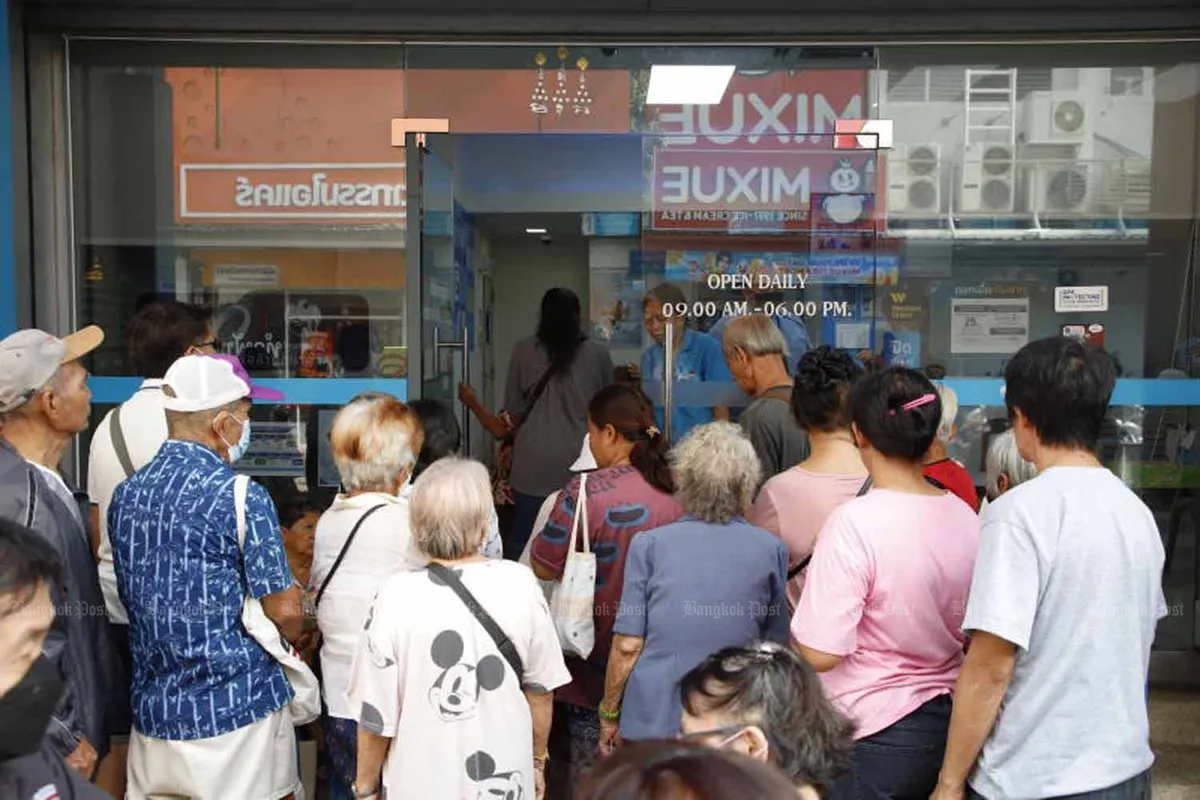
The Thai government has announced significant adjustments to the eligibility requirements for its welfare card program, aiming to provide a more accurate reflection of applicants’ financial situations while upholding the scheme’s fundamental principles. These revisions, detailed by Finance Permanent Secretary Lavaron Sangsnit, are designed to ensure that those genuinely in need can access support more effectively.
Key Revisions to Welfare Card Criteria
The updated regulations address four primary areas, broadening the scope of eligible applicants and clarifying existing rules. These changes are intended to be applied automatically to existing recipients, minimizing disruption and administrative burden.
Investment and Securities Holdings
Previously, individuals holding shares in social enterprises faced disqualification from the welfare program. Under the new guidelines, this restriction has been lifted, allowing such individuals to qualify. However, applicants with active securities accounts will still be deemed ineligible. The exception to this rule is for those whose securities accounts have remained inactive.
Educational Status
Students enrolled in non-formal education programs will no longer be automatically excluded from applying for welfare cards. This adjustment recognizes the diverse educational pathways individuals may pursue and ensures that students in these programs are not unfairly penalized.
Vehicle Ownership Regulations
The rules concerning vehicle ownership have been notably relaxed. Applicants are now permitted to own cars that are more than 20 years old. Additionally, ownership of one motorcycle with an engine capacity of up to 300cc is acceptable. For those owning a second motorcycle, eligibility can be maintained if that vehicle is older than 15 years. These changes acknowledge that older vehicles may be the only mode of transportation available to individuals with limited financial resources.
Automatic Reassessment and Required Actions
A crucial aspect of the revised policy is the automatic reassessment of eligibility for registered applicants. The system will proactively review existing recipients’ qualifications based on the new criteria, eliminating the need for them to reapply. This streamlined process is expected to ensure continued support for those who remain eligible.
However, a specific group of applicants must take proactive steps. Individuals whose names have been used as nominees, particularly those listed as vehicle owners without actual ownership, are required to contact the relevant authorities. This is essential to correct their records and ensure accurate data within the welfare system. Failure to do so could impact their eligibility status.
Extended Appeal Deadline
Recognizing the need for applicants to adjust to the new regulations and potentially rectify their information, the government has extended the deadline for appeals. The period for submitting appeals has been pushed back to August 31, providing an additional window for individuals to ensure their applications are accurate and complete.
Broader Context and Program Objectives
The welfare card program, often referred to as the state welfare card or Thong Fah card, is a cornerstone of Thailand’s social safety net. It aims to provide financial assistance to low-income households, the elderly, disabled individuals, and other vulnerable groups. The cards can be used to purchase essential goods, including food, groceries, and basic necessities, at participating stores, as well as for public transportation and utility bill payments.
The government periodically reviews and adjusts the program’s criteria to ensure its effectiveness and relevance in addressing the evolving economic landscape and the needs of its target beneficiaries. These recent changes reflect a commitment to inclusivity and a more nuanced understanding of the financial circumstances faced by many Thai citizens. By easing certain restrictions, the authorities hope to prevent eligible individuals from falling through the cracks of the social welfare system due to technicalities that do not accurately represent their economic hardship.
Future Outlook
The adjustments to the welfare card eligibility criteria are part of a broader strategy to enhance social protection mechanisms in Thailand. Officials have indicated that ongoing evaluations will continue to inform future policy decisions, ensuring the program remains a robust tool for poverty reduction and social support. The focus remains on balancing the need for broad accessibility with fiscal responsibility and the integrity of the welfare system.
The government encourages all applicants and recipients to stay informed about the program’s guidelines and to reach out to designated agencies for any clarifications or assistance needed. The ultimate goal is to create a more equitable system that effectively supports those most in need across the nation.
