

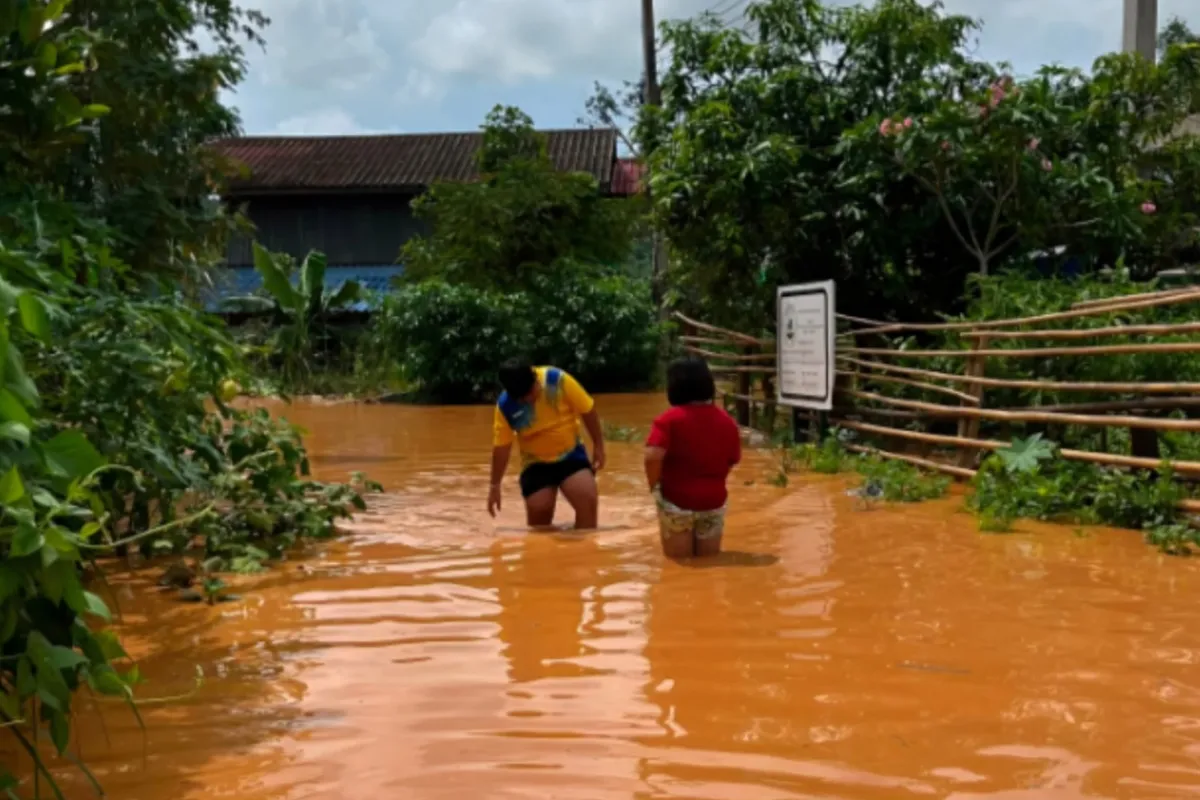
Authorities have issued a stark warning to 15 provinces across Thailand, alerting residents to the heightened risk of landslides and forest runoff due to persistent heavy rainfall. The Department of Disaster Prevention and Mitigation (DDPM) has mobilized volunteer networks to closely monitor weather patterns and disseminate crucial safety information to the public. This advisory comes as a significant monsoon trough, coupled with strong southwesterly winds, continues to drench the northern and northeastern regions of the country.
Understanding the Risks: Landslides and Forest Runoff
Landslides and forest runoff are natural phenomena exacerbated by intense rainfall. When soil and rock become saturated, their stability is compromised, leading to the downslope movement of earth and debris. Forest runoff, a related hazard, occurs when heavy rains overwhelm the natural drainage systems in forested or mountainous areas, causing rapid water flow that can inundate lower-lying regions and settlements. These events pose significant threats to life, property, and infrastructure.
Provinces on High Alert
The DDPM has identified specific areas facing the most immediate danger. The warning encompasses a broad geographical spread, highlighting the widespread impact of the current weather system.
Northern Thailand
The northern provinces are particularly vulnerable due to their mountainous terrain. Those on high alert include:
- Tak
- Mae Hong Son
- Chiang Mai
- Lamphun
- Chiang Rai
- Nan
- Phayao
- Prae
- Uttaradit
- Phetchabun
Central and Eastern Regions
The warning also extends to the central and eastern parts of the country:
- Kanchanaburi (Central Plains)
- Chanthaburi (East)
- Trat (East)
Southern Thailand
In the south, the provinces of Ranong and Phangnga are also facing increased risks.
The Meteorological Context
The current weather situation is attributed to a powerful monsoon trough that is currently positioned over Thailand’s northern and northeastern territories. This atmospheric condition is being intensified by a strong flow of southwesterly winds, which are drawing moisture-laden air from the ocean. The confluence of these factors has resulted in exceptionally heavy rainfall in many areas. Some locations have recorded cumulative rainfall exceeding 150 millimeters within a 24-hour period, a significant amount that can quickly overwhelm drainage systems and saturate the ground.
Observed Impacts and Public Advisory
The consequences of this intense rainfall are already being felt. Local media reports indicate that several residential areas have experienced flooding and forest runoff since the previous night. Cities and towns such as Chiang Mai, Chiang Rai, Chanthaburi, and Phetchabun have been particularly affected. In response to these developing conditions, authorities are urging residents in affected and at-risk areas to take immediate precautions. A key piece of advice is for people to move their valuable possessions to higher ground to prevent loss or damage from rising water levels.
Preparedness and Community Action
The role of volunteer networks is critical in this scenario. These local groups are tasked with continuous monitoring of weather conditions, including rainfall intensity, river levels, and soil saturation. Their ability to quickly relay this information to residents can make a substantial difference in preparedness and response times. Community awareness and individual vigilance are paramount when facing natural hazards like landslides and floods. Residents are encouraged to stay informed through official channels and to heed all warnings and advisories issued by the DDPM and local authorities.
Broader Implications of Monsoon Season
Thailand’s geographical location makes it susceptible to monsoon patterns, which bring distinct wet and dry seasons. The current monsoon trough signifies the active phase of the rainy season, often characterized by periods of intense downpours. While essential for agriculture and water resources, these heavy rains can also trigger natural disasters. Understanding the cyclical nature of these weather events and the specific vulnerabilities of different regions is key to effective disaster management. The DDPM’s proactive warnings aim to mitigate the impact by enabling timely evacuations and protective measures.
Conclusion: Vigilance and Safety
The warning issued for 15 Thai provinces underscores the severity of the current weather situation. With heavy rains expected to continue, the risks of landslides and forest runoff remain significant. Authorities are working diligently to monitor conditions and inform the public, but the cooperation and preparedness of residents are vital. Moving valuables to higher ground and staying informed about local conditions are essential steps for safeguarding life and property during this period of heightened natural hazard risk.
