

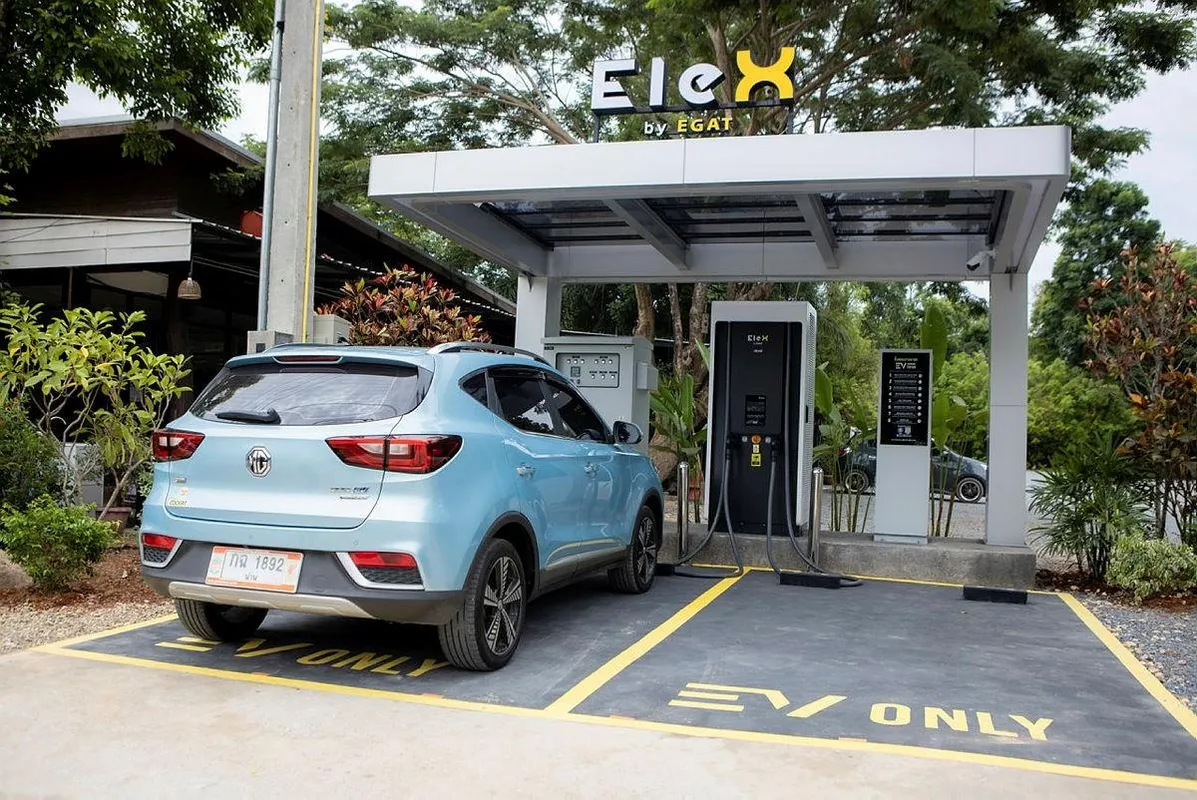
An ambitious initiative is underway in Thailand to create a unified platform for electric vehicle (EV) charging, aiming to resolve the fragmented and often frustrating experience faced by EV drivers. Spearheaded by the Energy Policy and Planning Office (Eppo), the project seeks to establish a “Thailand EV Roaming Hub” that will connect disparate charging networks, offering standardized services and seamless data integration.
Addressing EV Charging Inconsistencies
The push for a unified system stems from persistent issues plaguing EV users. These include malfunctioning charging management applications, unreliable payment systems, inaccurate information regarding station availability and pricing, and even incorrect location data. A significant point of contention for drivers is the necessity of downloading multiple applications for different charging providers, creating an inconvenient and complex user experience. This project directly targets these pain points, promising a more streamlined and reliable charging infrastructure.
Key Players and Project Scope
Eppo has joined forces with major entities in Thailand’s energy and infrastructure sectors to bring this vision to life. Collaborators include the Electricity Generating Authority of Thailand (Egat), the Metropolitan Electricity Authority, the Provincial Electricity Authority (PEA), and PTT Oil and Retail Business Plc (OR). The signing of a memorandum of understanding solidifies their commitment to linking charging stations and developing a cohesive operational system. Notably, OR, Egat, and PEA are already recognized among the top five EV charging providers in the country, ensuring significant industry backing and participation from the outset.
National Database and Grid Management
A cornerstone of the Thailand EV Roaming Hub will be the development of a national database. This comprehensive dataset will house critical information, including the locations of charging stations, detailed specifications of the infrastructure, and real-time operational status. Such a system is expected to significantly benefit government agencies by enabling more accurate forecasting of electricity demand. This, in turn, will help prevent overloads on the national grid, particularly in areas experiencing high demand for EV charging.
Enhancing the Driver Experience
The ultimate objective of this project, as highlighted by Wattanapong Kurovat, director-general of Eppo, is to provide motorists with more dependable and efficient fast-charging services. By introducing standardized EV data and a unified platform, the hub aims to eliminate the current frustrations. Once fully implemented, EV drivers should be able to utilize a single application to perform essential functions such as locating charging stations, checking real-time availability, and processing payments across various networks. This unified approach is anticipated to make interprovincial travel significantly more practical, reducing vehicle downtime and boosting confidence among EV owners.
Future Expansion and Sustainability Goals
The initiative is designed for scalability, with provisions for more charging providers to join the network over time. This expansion will broaden coverage and further enhance convenience for users. Officials anticipate that the hub will not only revolutionize the user experience but also play a crucial role in strengthening Thailand’s ongoing transition towards cleaner and more sustainable transportation methods. By simplifying the EV charging process and improving grid management, the project aims to accelerate EV adoption and contribute to national environmental goals.
Benefits Beyond Convenience
The implications of a unified EV charging hub extend beyond mere convenience for drivers. Improved efficiency for power suppliers is a key benefit, as highlighted by Eppo. The ability to accurately forecast demand and manage load distribution will lead to a more stable and resilient electricity grid. This is particularly important as the number of EVs on the road continues to grow. Furthermore, by fostering a more robust and user-friendly charging infrastructure, Thailand aims to position itself as a leader in EV adoption and sustainable mobility in the region.
Conclusion: A Step Towards Seamless EV Travel
The development of the Thailand EV Roaming Hub represents a significant step forward in the nation’s electric vehicle ecosystem. By tackling the complexities of charging network fragmentation and standardizing services, the project promises to significantly enhance the EV ownership experience. With strong backing from key industry players and a clear vision for improved grid management and driver convenience, this initiative is poised to accelerate Thailand’s journey towards a greener transportation future.
