

Thailand’s steel industry is navigating a complex landscape marked by significant import pressure, particularly from China, and global price volatility. These challenges are impacting domestic manufacturers, leading to reduced capacity utilization and calls for government intervention. The industry’s struggles are compounded by geopolitical events and currency fluctuations, creating an unpredictable operating environment.
Global Market Dynamics Affecting Steel Prices
The global steel market is experiencing considerable unpredictability, making it difficult for companies to forecast prices for key commodities like billets and slabs. Anurag Pandey, president and chief executive of TSTH, highlighted that disruptions to major shipping routes, such as the Strait of Hormuz and the Red Sea, are significant contributing factors. These logistical challenges, alongside geopolitical tensions, create an environment of rapid price fluctuations.
Adding to the global instability, China’s economic slowdown, largely attributed to its ongoing property sector crisis, has led to a decrease in domestic steel demand. Consequently, Chinese steel producers have intensified their export activities, directing a substantial volume of products towards Southeast Asian markets, including Thailand. This surge in exports from China is intensifying competition for local Thai steel manufacturers.
Impact of Chinese Steel Imports on Thailand
Thailand has been particularly affected by the influx of low-cost steel originating from China. TSTH reported that Chinese steel exports reached a record 119 million tonnes in 2025. For the period of January to May 2026, shipments from China amounted to 44.6 million tonnes, an increase from the 41.2 million tonnes recorded during the same period in the previous year. This trend underscores a sustained high level of export activity from China.
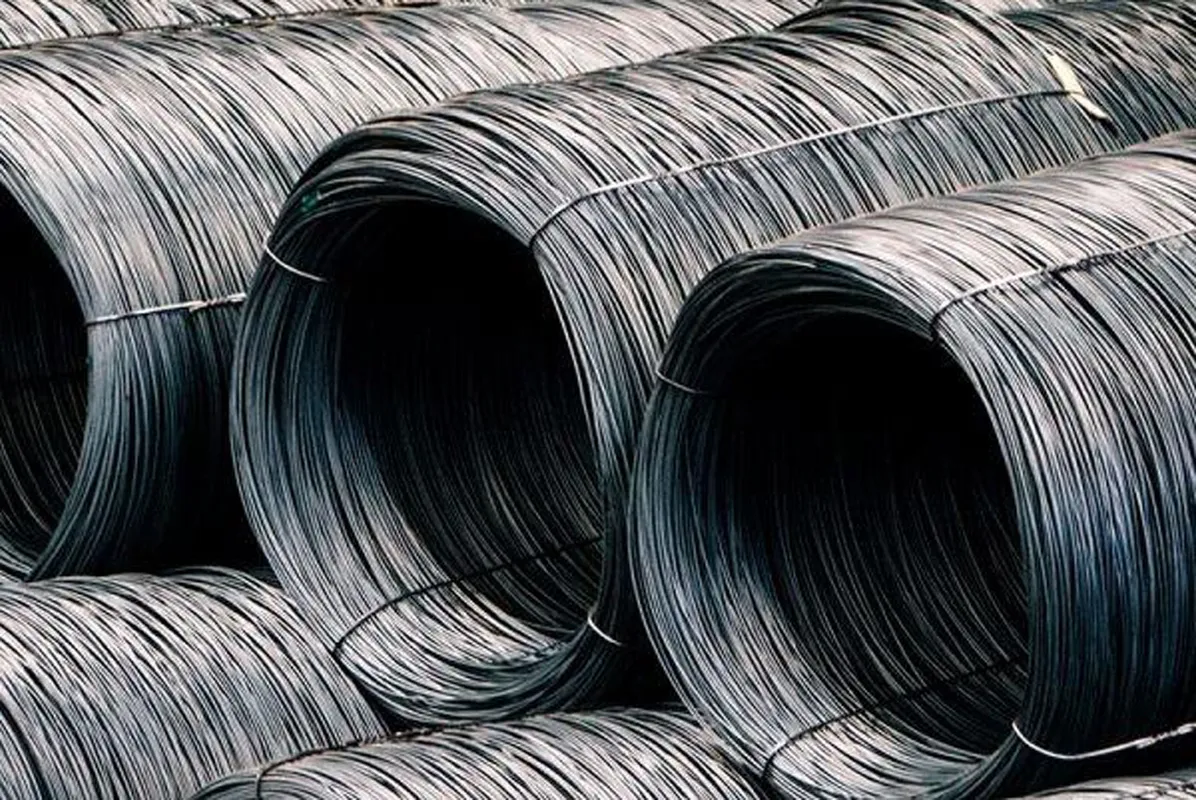
The impact on Thailand is substantial, especially concerning wire rod products. In the first five months of 2026, imports of wire rod steel constituted a significant 66% of Thailand’s total steel imports, totaling 636,000 tonnes. This substantial volume of cheap imported steel has severely impacted the operational capacity of Thai factories. Mr. Pandey noted that factory capacity utilization has fallen below 30% as a direct consequence of this import pressure.
Calls for Government Intervention and Protection Measures
In response to these challenges, TSTH has formally requested the Thai government to implement more robust protective measures. The company is advocating for the introduction of stronger anti-dumping regulations and the enforcement of stricter quality standards for all imported steel products. These measures are intended to create a more level playing field and safeguard the viability of domestic steel producers.
The industry’s concerns extend beyond direct import competition. Sanjay Kumar Shrivastav, chief financial officer of TSTH, pointed out the adverse effects of a strong Thai baht. A strengthening currency makes Thai exports more expensive for international buyers, while simultaneously making imported goods, including steel from China, more affordable within the Thai market. This currency dynamic further exacerbates the competitive disadvantage faced by local manufacturers.
Resilience Amidst Challenges: Consumption Trends
Despite the significant headwinds from imports and global volatility, Thailand’s overall steel consumption demonstrated some resilience. In the first five months of 2026, total steel consumption grew by 1.6% year-on-year, reaching 7.64 million tonnes. This growth was primarily fueled by a robust increase in demand for long steel, which saw a 10.8% rise. This surge in long steel demand is closely linked to increased activity in the construction sector and efforts by businesses to restock their inventories.
TSTH Financial Performance
TSTH’s financial results for the first quarter of its fiscal year 2027 (covering April to June 2026) reflected some of the market pressures. The company reported a slight year-on-year decline in revenue, which fell by 0.73% to 6.78 billion baht. However, profitability saw a notable increase, with net profit climbing by nearly 10% to 410 million baht. Sales volume experienced a marginal decrease of 1.18%, amounting to 334,000 tonnes during the same period.
Conclusion: Navigating a Turbulent Market
The Thai steel sector is at a critical juncture, facing a confluence of global economic uncertainties, geopolitical disruptions, intense import competition, and currency pressures. While domestic consumption shows pockets of strength, particularly in construction-related steel products, the overall industry requires strategic support and policy adjustments to mitigate the impact of external factors. The coming months will be crucial in determining the sector’s ability to adapt and thrive amidst these ongoing challenges.
