

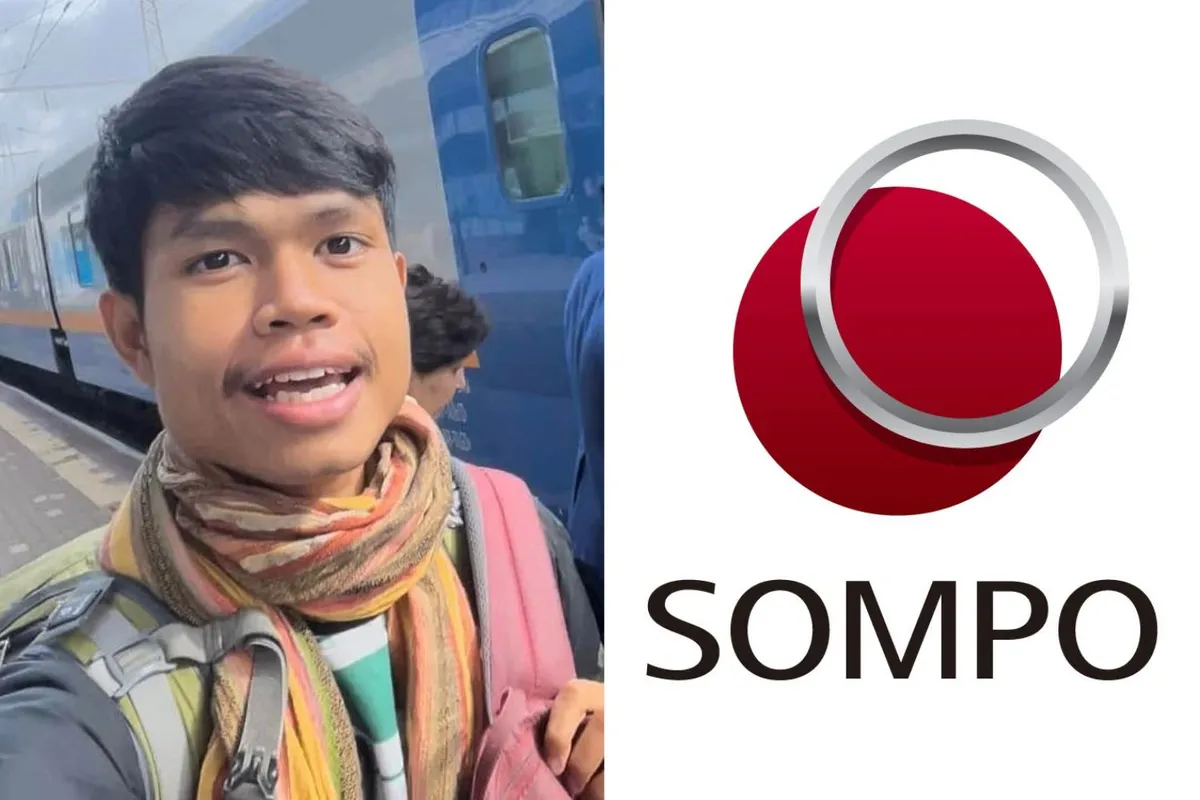
In a significant gesture of support, Sompo Insurance has announced it will cover the full costs associated with bringing the body of Hlun Solo home. The insurer expressed deep condolences to Solo’s family, acknowledging him as a valued partner of the company. The announcement follows the recent news of Solo’s passing, prompting swift action from the insurance provider.
Insurance Provider’s Response and Support
Upon learning of Hlun Solo’s death, Sompo Insurance promptly notified the Office of Insurance Commission (OIC). The company also activated its internal teams to manage the situation and extend support to Solo’s family and close associates. Efforts were immediately underway to coordinate with their network in Georgia to facilitate the repatriation process.
Sompo stated that while they are committed to covering the repatriation expenses, the specifics of the insurance policy coverage remain under review. This review is contingent upon the findings of an official investigation into the circumstances of Solo’s death. The company emphasized that any final decision regarding the claim will strictly adhere to the terms and conditions outlined in the policy. Consequently, a definitive report on the claim’s processing could not be provided at this early stage.
Details of Hlun Solo’s Insurance Holdings
In parallel, Adisorn Pipatvorapong, deputy secretary-general of the OIC, confirmed the findings of an inquiry into Hlun Solo’s insurance policies. The investigation revealed that Solo held a travel accident policy with Sompo Insurance. This policy, valued at 5 million baht, provides coverage for death resulting from an accident or murder. However, it is important to note that the policy explicitly excludes coverage for deaths attributed to pre-existing illnesses.
Sompo Insurance has officially communicated to the OIC its commitment to bear all repatriation costs. The insurer also indicated its readiness to process the claim promptly once the necessary documentation is received. This documentation must include official proof of death, such as a death certificate or a medical or police report that clearly establishes the cause of death, and confirms it meets the policy’s conditions.
Understanding Travel Accident Insurance Policies
Travel accident insurance is a crucial type of coverage designed to protect individuals during their travels. These policies typically offer financial support in the event of unforeseen accidents that lead to injury or death. The scope of coverage can vary significantly between providers and individual plans.
Key Inclusions and Exclusions
Common inclusions in travel accident policies often encompass:
- Accidental death and dismemberment benefits.
- Coverage for medical expenses incurred due to accidents while traveling.
- Repatriation of remains in the unfortunate event of death abroad.
Conversely, most policies have specific exclusions. These commonly include:
- Death or injury resulting from pre-existing medical conditions.
- Incidents related to engaging in hazardous activities (e.g., extreme sports) unless specifically covered.
- Losses due to acts of war, terrorism, or civil unrest, depending on the policy terms.
- Self-inflicted injuries or death.
The Importance of Policy Review
The situation involving Hlun Solo’s policy underscores the critical importance of thoroughly reviewing and understanding the terms and conditions of any insurance policy. Policyholders are advised to:
- Read the fine print: Pay close attention to definitions, coverage limits, and exclusions.
- Declare pre-existing conditions: Be honest and upfront about any existing medical issues to ensure valid coverage.
- Understand the claims process: Familiarize yourself with the documentation required and the steps involved in filing a claim.
- Consult the insurer: If anything is unclear, contact the insurance provider directly for clarification before a claim arises.
The Role of the Office of Insurance Commission (OIC)
The Office of Insurance Commission (OIC) plays a vital role in regulating the insurance industry and protecting policyholders’ interests. In cases like this, the OIC acts as a liaison between the insured, the insurer, and relevant authorities. Their involvement ensures that insurance companies adhere to regulations and that claims are processed fairly and in accordance with policy terms.
The OIC’s verification of Hlun Solo’s travel accident policy and their confirmation with Sompo Insurance highlight their active role in overseeing insurance matters. By confirming Sompo’s commitment to cover repatriation costs and ensuring the insurer is prepared to process the claim upon receipt of appropriate documentation, the OIC provides a layer of assurance to the affected parties.
Conclusion: Navigating Insurance Claims and Repatriation
The commitment from Sompo Insurance to cover the repatriation costs for Hlun Solo demonstrates a responsible approach by the company during a difficult time. While the final claim settlement awaits the conclusion of an official investigation and the submission of required documentation, the immediate support for bringing Solo home offers some solace to his family. This incident also serves as a pertinent reminder for all individuals to maintain a clear understanding of their insurance policies, particularly travel-related coverage, to ensure adequate protection against unforeseen events.
