

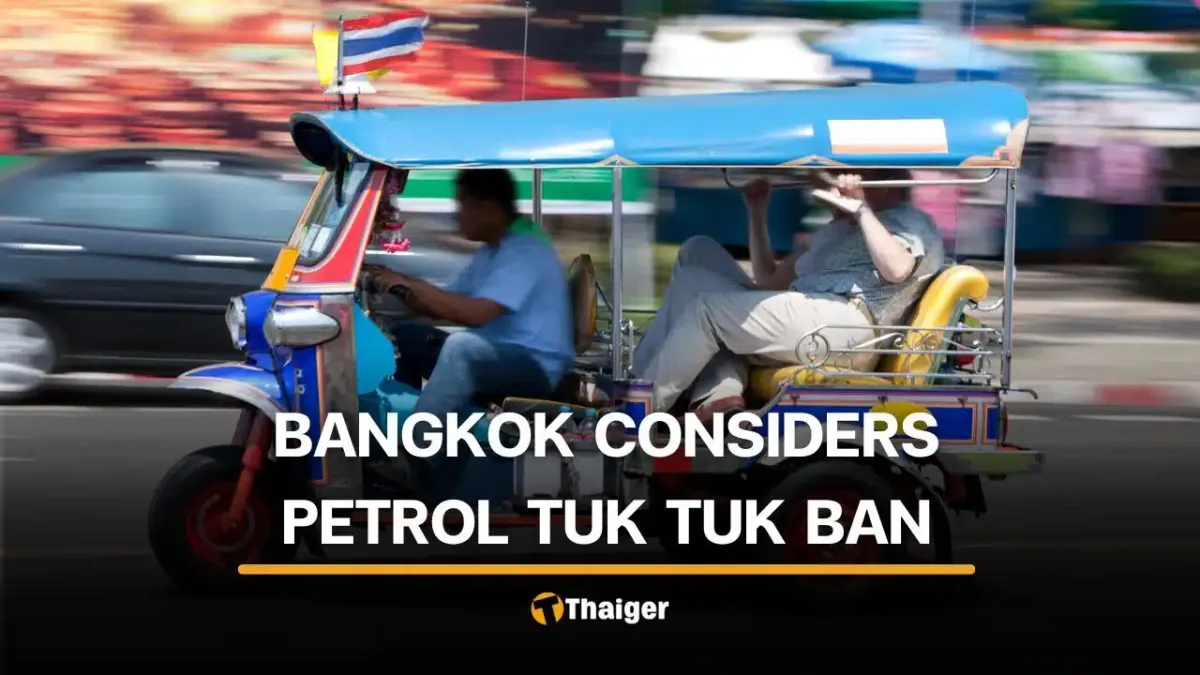
Authorities in Thailand are exploring a potential ban on petrol-powered tuk-tuks within the central districts of Bangkok, aiming to curb escalating air and noise pollution. The Department of Land Transport has initiated a public consultation period to gather feedback on this significant proposal, which could reshape the iconic streetscape of the Thai capital.
Proposal Details and Rationale
The proposed ban would specifically target the inner city areas of Bangkok, a region rich with major tourist attractions, historic landmarks, and royal temples, including the renowned Wat Phra Kaew. Officials from the Ministry of Transport have stated that the primary drivers behind this initiative are the urgent need to reduce harmful emissions and mitigate excessive noise pollution in these densely populated and historically significant zones.
To facilitate public input, the Department of Land Transport launched an official consultation process on July 28, which is set to conclude on August 27. Interested parties, including the public and affected stakeholders, are encouraged to submit their opinions and concerns via the department’s official website. This step is crucial as no definitive decision has been made yet regarding the future of petrol tuk-tuks in the specified areas.
The potential restrictions could manifest in several ways. Authorities are considering either a complete prohibition of petrol tuk-tuks within the designated central Bangkok zones or implementing limitations on their operation during specific hours of the day. Alongside these potential restrictions, the government is also actively promoting the adoption of electric tuk-tuks as a key component of its broader environmental strategy, signaling a shift towards more sustainable transportation alternatives.
Clarification Amidst Confusion
The announcement of the public consultation has unfortunately led to some confusion among segments of the public, particularly among the tuk-tuk drivers themselves. Some drivers mistakenly believed that the ban had already been enacted. Addressing these concerns, Sorrapong Paithunpong, Director of the Department of Land Transport, issued a clarification. He emphasized that the proposal is still navigating the necessary legal and administrative processes, and the ongoing consultation is an integral part of that procedure.
Director Sorrapong further elaborated on the reasoning behind the proposal. He noted that a significant majority of the tuk-tuks currently operating in Bangkok utilize internal combustion engines. These engines are a substantial contributor to the city’s persistent air pollution problems. Moreover, he highlighted that many of the vehicles in active service are considerably aged, with some being between 10 and 50 years old. This aging fleet not only exacerbates pollution but also raises concerns about their compliance with contemporary safety standards and expectations.
Sorrapong assured the public that should any restrictions be implemented, they would be accompanied by a clearly defined timeline for enforcement. Affected individuals and businesses would receive ample advance notice, ensuring a smooth transition period before any new regulations come into effect.
Public and Driver Reactions
The proposal has elicited a spectrum of responses from the public and stakeholders, reflecting diverse perspectives on the issue. Online discussions and public commentary reveal a divide in opinions.
Arguments in Favor of the Ban:
- Improved Air Quality: Supporters believe that phasing out petrol tuk-tuks will directly contribute to cleaner air in the city center, reducing respiratory health risks for residents and visitors alike.
- Reduced Noise Pollution: The distinctive, often loud, engine noise of traditional tuk-tuks is a significant concern for many. A ban could lead to a more tranquil urban environment.
- Environmental Policy Alignment: Proponents see this as a necessary step in aligning Bangkok’s transportation sector with national and global environmental goals.
Concerns and Criticisms:
- Effectiveness Doubts: Some question whether targeting tuk-tuks alone will yield a meaningful reduction in Bangkok’s overall pollution levels, suggesting that broader measures might be needed.
- Cultural Identity and Tourism: A significant number of social media users and observers argue that tuk-tuks are an integral part of Bangkok’s cultural identity and a major draw for tourists. Removing them could diminish the city’s unique appeal.
- Livelihood Impact: Tuk-tuk drivers have voiced considerable apprehension. Many rely on these vehicles as their primary source of income and express concerns about the financial burden of acquiring expensive electric replacements, even with government encouragement.
Moving Forward
The Department of Land Transport’s public consultation is a critical phase in the decision-making process. The feedback gathered will be instrumental in shaping the final outcome, determining whether petrol tuk-tuks will continue to operate in central Bangkok, face restrictions, or be phased out in favor of electric alternatives. The government’s commitment to a transparent process, including clear communication and advance notice, aims to address the concerns of drivers and ensure a just transition should the ban proceed.
As Bangkok grapples with the dual challenges of environmental sustainability and preserving its unique cultural heritage, the future of the iconic tuk-tuk remains a subject of intense discussion and careful consideration by authorities and the public alike.
