

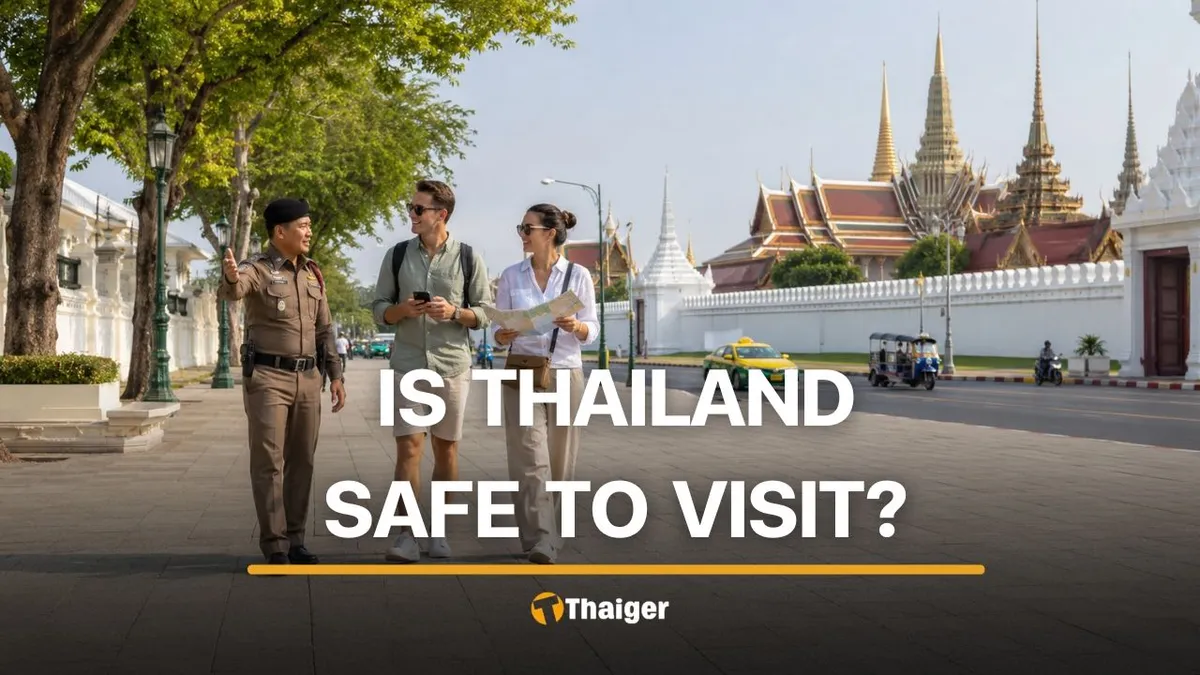
Thailand, a perennial favorite for global travelers, welcomes millions of visitors annually, with the vast majority enjoying their trips without incident. While the country is generally safe, understanding specific risks and local nuances is crucial for a trouble-free experience. Key areas requiring attention include road safety, common scams, legal regulations, and seasonal or regional hazards. By being informed, tourists and expatriates can significantly mitigate potential issues.
Road Safety: The Primary Concern
Road accidents represent the most significant safety risk for individuals visiting Thailand, with statistics indicating a high fatality rate compared to many other nations. The World Health Organization (WHO) reported 25.4 road deaths per 100,000 people in 2021, placing Thailand among countries with the highest rates globally. A critical factor is the disproportionate involvement of motorcycles, which account for over 83% of estimated road fatalities, particularly affecting younger demographics aged 15 to 29.
For tourists and expatriates, the risk can be substantially reduced by avoiding motorcycle travel. Motorcycles are often the most convenient and economical mode of transport, leading many visitors to rent them despite lacking proper licensing, insurance, or familiarity with local traffic conditions. Those who choose to ride should adhere strictly to safety measures: always wear a helmet, carry an International Driving Permit with a motorcycle endorsement, and absolutely refrain from riding under the influence of alcohol.
Traffic law enforcement has seen increased intensity, especially during peak holiday periods like Songkran and New Year. Drink-driving offenses carry substantial fines, up to 20,000 baht, and potential imprisonment. During the 2026 New Year period alone, authorities prosecuted nearly 3,000 drink-driving cases, with thousands of other traffic violations recorded daily at the height of enforcement. For those not riding motorcycles, utilizing metered taxis, ride-sharing apps like Grab, or Bangkok’s public transport systems (BTS and MRT) are safer alternatives.
Common Scams and How to Avoid Them
Petty crime and scams are frequently reported issues for tourists in Thailand. While serious incidents against foreign visitors remain relatively low, particularly in major cities like Bangkok, awareness of common fraudulent schemes is essential. These scams often follow predictable patterns and can be easily avoided with a cautious approach.
Typical scams include:
- Tuk-tuk Tours: Drivers may offer suspiciously cheap sightseeing tours that often lead to overpriced gem shops or tailor stores.
- Gem Scams: Unsolicited offers for gem purchases, sometimes with fabricated government endorsements, can lead to buying fake or overpriced stones.
- Taxi Meter Issues: Some taxi drivers may refuse to use the meter, demanding a higher fixed fare, or claim it’s broken.
- Jet Ski Rental Fraud: Upon returning rented jet skis, operators may impose exorbitant charges for alleged pre-existing damage.
To safeguard against these, travelers should always insist on using metered taxis or reputable ride-sharing services. Be wary of unsolicited offers from strangers, especially near popular tourist attractions. Never leave your passport as collateral for rentals or services. It is also advisable to photograph any rented vehicle or watercraft, documenting its condition before use.
Beyond street-level scams, online fraud, including romance scams and investment schemes, is a growing concern. While these often target individuals residing in Thailand for longer periods, the financial losses can be substantial. Enforcement efforts have been ongoing to combat these issues.
Understanding Thailand’s Legal Framework
Thailand has stringent laws, particularly concerning drugs, alcohol, and respect for the monarchy, which can carry severe penalties for visitors unfamiliar with them. Adherence to these regulations is paramount.
- Lèse-majesté Law: Section 112 of the Criminal Code prohibits any act that defames, insults, or threatens the King, Queen, heir apparent, or regent. This law applies to foreign nationals and can result in prison sentences ranging from three to fifteen years per offense. Several foreigners have faced imprisonment under this statute, underscoring the importance of exercising caution in any public commentary regarding the royal institution.
- Drug Laws: Penalties for drug offenses are severe. Possession of Class A narcotics, such as heroin and methamphetamine, can lead to life imprisonment or even the death penalty. Following a reclassification in 2025, cannabis is now legal only for medical purposes with a prescription; recreational possession is an offense.
- Alcohol Regulations: The legal blood alcohol limit for driving is 0.05%. Alcohol sales are restricted in certain public areas, near religious sites, and during election periods. While some establishments may operate beyond standard hours, patrons are not exempt from legal consequences if enforcement occurs.
Regional and Seasonal Risks
Safety considerations can also vary depending on the specific region and time of year within Thailand.
- Southern Border Provinces: Areas like Pattani, Yala, and Narathiwat, bordering Malaysia, are subject to an ongoing insurgency. Several foreign governments advise against non-essential travel to these regions. However, these provinces are typically outside the scope of standard tourist itineraries and pose little practical risk to most visitors.
- Andaman Coast (Monsoon Season): From May to October, the Andaman coast, including popular destinations like Phuket and Krabi, experiences rough seas, strong rip currents, and potential flash flooding due to the southwest monsoon. Visitors should heed red flag warnings on beaches and avoid boat trips when marine conditions are deemed unsafe by authorities.
- Northern Thailand (Smoke Season): Typically occurring between February and April, Chiang Mai and surrounding areas can experience hazardous levels of air pollution (PM2.5) due to agricultural burning. Outdoor activities may be inadvisable during severe episodes.
The Big Picture: Ensuring a Safe Visit
For the majority of travelers engaging in typical tourist activities, Thailand is a safe destination. Major hubs like Bangkok, Chiang Mai, Phuket, Koh Samui, and Pattaya are not inherently dangerous. The risks present are largely specific and, crucially, avoidable through basic precautions and awareness.
Key recommendations for a safe trip include:
- Avoid riding motorcycles unless you are properly licensed, experienced, and insured.
- Utilize metered taxis or reputable ride-sharing services for transportation.
- Approach unsolicited offers from strangers near tourist sites with skepticism.
- Familiarize yourself with local laws and customs before your arrival.
- Heed travel advisories for specific regions, such as the southern border provinces.
Thailand offers a rich and rewarding travel experience for those who approach their visit with diligence and respect for local conditions. By staying informed and exercising common sense, visitors can ensure a safe and memorable journey.
