

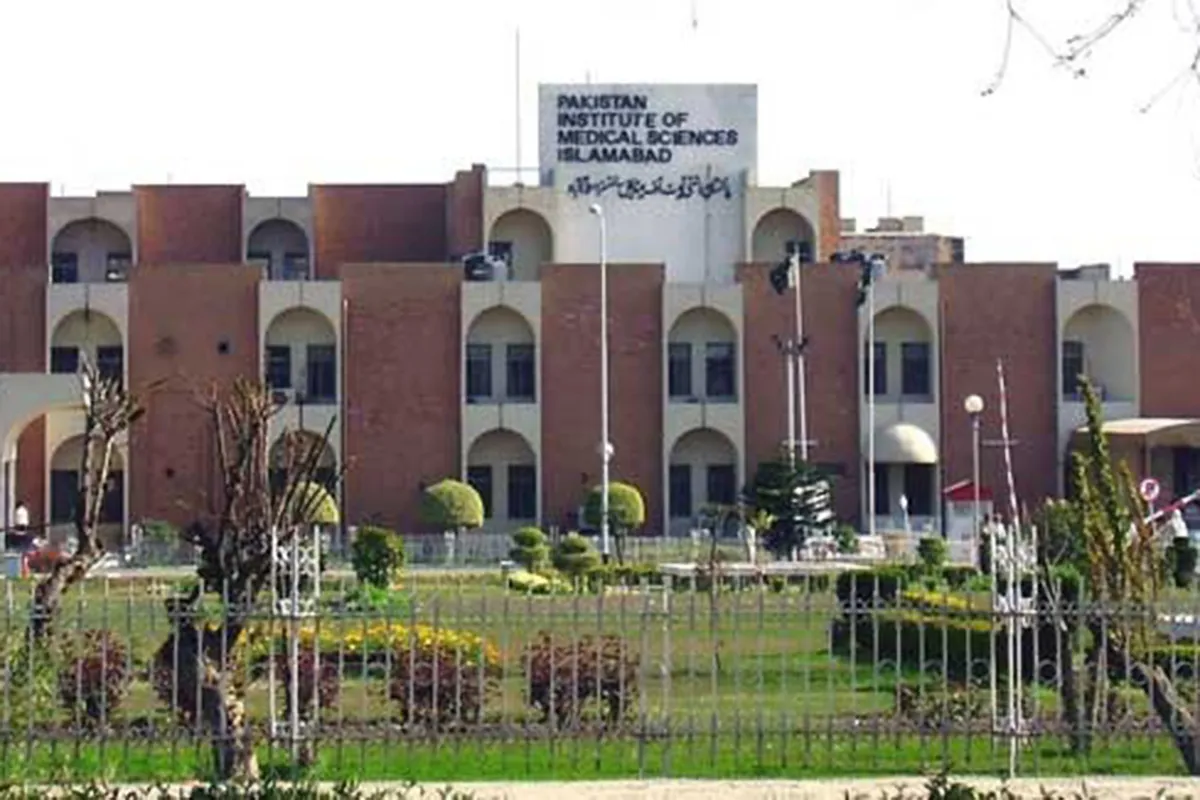
A devastating fire at the Pakistan Institute of Medical Sciences (PIMS) in Islamabad has resulted in the tragic deaths of at least 15 infants. The blaze, which reportedly originated from a malfunction in the hospital’s air conditioning system, erupted on Wednesday, sending shockwaves through the capital city. Emergency services were immediately dispatched to the scene, with ongoing efforts to contain and extinguish the flames.
Devastating Loss in Neonatal Ward
The fire broke out in the hospital’s gynaecology ward, where 16 newborns were being cared for at the time. According to initial reports from local media, one infant was successfully rescued from the affected area. However, the swiftness and intensity of the fire tragically claimed the lives of 15 of the vulnerable newborns. The Pakistan Institute of Medical Sciences (PIMS) is a prominent state-run healthcare facility, making the incident particularly distressing for the community it serves.
Investigation into the Cause
Authorities have launched an immediate investigation into the precise cause of the fire. Preliminary information suggests a fault within the air conditioning infrastructure may have been the catalyst. Fire officials are meticulously examining the scene to determine how the malfunction led to the blaze and why safety protocols may have failed to prevent such a catastrophic outcome. The focus is on understanding the sequence of events to prevent similar tragedies in the future.
Emergency Response and Rescue Efforts
Eyewitness accounts and reports from the scene described a chaotic and harrowing situation as hospital staff and emergency responders worked against time. The primary objective during the initial hours was to evacuate patients and staff from affected areas and to combat the rapidly spreading flames. Firefighters engaged in intensive cooling operations, battling smoke and heat to gain control of the situation. The successful rescue of one infant highlights the bravery and dedication of those present during the crisis.
Impact on Healthcare in Islamabad
The PIMS hospital fire has cast a somber shadow over healthcare services in Islamabad. As a major public hospital, PIMS serves a vast population, and this incident raises critical questions about infrastructure safety and emergency preparedness in healthcare facilities across the nation. The loss of so many young lives is an immeasurable tragedy for the families affected and the wider community.
Hospital Infrastructure and Safety Concerns
The reported cause, an air conditioning system fault, brings into sharp focus the importance of regular maintenance and safety checks for critical hospital infrastructure. Electrical systems, ventilation, and fire suppression mechanisms are vital components of any healthcare facility, especially those housing vulnerable patients like newborns. Experts will likely scrutinize the hospital’s maintenance records and safety audits in the wake of this disaster.
Community Grief and Support
News of the tragedy has elicited widespread grief and calls for support for the affected families. The government and various charitable organizations are expected to provide assistance to those who have lost their children. Public discourse is likely to center on accountability and measures to enhance patient safety in all medical institutions.
Looking Ahead: Prevention and Preparedness
In the aftermath of this terrible event, a comprehensive review of hospital safety standards across Pakistan is anticipated. This will likely include:
- Mandatory, frequent inspections of all critical infrastructure, including electrical and cooling systems.
- Upgrading fire detection and suppression systems in all healthcare facilities.
- Enhanced emergency evacuation plans and regular drills for staff.
- Reviewing and strengthening building codes specific to hospitals and critical care units.
The loss of 15 infants is a profound tragedy that underscores the urgent need for robust safety measures in healthcare settings. The investigation into the PIMS hospital fire will be crucial in determining accountability and implementing changes to prevent such a devastating loss from ever happening again.
