

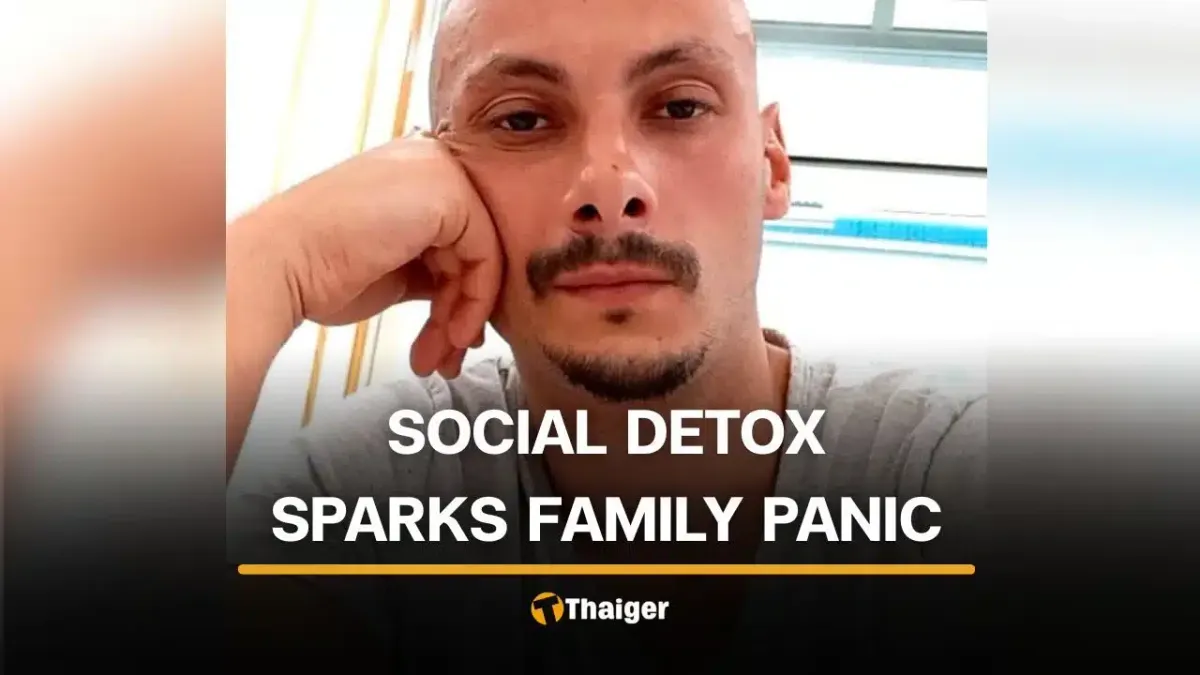
A Turkish-German tourist, Ali Karakoyunlu, has apologized after his deliberate disconnection from digital communication led to a missing person report in Chiang Mai, Thailand. Karakoyunlu, who was found safe, explained that he had intentionally gone offline for nine days as part of a personal social media detox. The incident prompted concern from his family and friends, who had initiated a search when they could not reach him.
Initiation of the Missing Person Report
The alarm was raised when Karakoyunlu’s sister sought assistance from his former girlfriend, Suppanat Essie. Essie then shared a public appeal on social media, hoping to locate him. According to family accounts, Karakoyunlu arrived in Bangkok from Japan on July 20 and traveled to Chiang Mai by train the following day. Contact was reportedly lost on July 23.
Suppanat and Karakoyunlu’s sister attempted to reach him through various platforms, including Facebook, Instagram, LINE, and Telegram, as well as his Thai mobile number. The repeated on-and-off status of his phone led them to suspect it might have been stolen, heightening their worry. This concern was amplified by recent news of two Russian siblings who had gone missing in Thailand and were later found deceased.
Official Search and Initial Findings
The disappearance was formally reported to the Chiang Mai Tourist Police and the Mirror Foundation. Karakoyunlu’s family also prepared to engage the Turkish Embassy in Thailand for support. Initial inquiries by the police indicated no record of Karakoyunlu being admitted to a hospital or checking into any accommodation in Chiang Mai, adding to the mystery.
Discovery and Explanation
Authorities located Karakoyunlu on August 2 on Ratchaphakinai Road in the Sri Phum subdistrict of Mueang Chiang Mai. Police officers recognized him from the missing person notices and approached him to confirm his identity. He readily confirmed he was the individual they were searching for.
Karakoyunlu explained to the officers that he had arrived in Chiang Mai from Bangkok and checked into TJ Guesthouse and Restaurant on July 22. He stated his intention was to spend a month in the city before proceeding to the Philippines. The core of the misunderstanding, he clarified, was his deliberate decision to disconnect from all digital communication.
The Social Media Detox
According to police reports, Karakoyunlu stated that he intentionally ignored messages and calls because he wanted to take a complete break from social media and digital interactions during his holiday. This period of disconnection was planned as a nine-day social media detox, aimed at providing a respite from constant connectivity.
Resolution and Apology
Following his discovery, officers advised Karakoyunlu to contact his family immediately to assure them of his safety. He complied with this advice, and his relatives later expressed their gratitude to the authorities for their efforts in locating him.
Karakoyunlu also took to his Facebook account to post a message for his family, friends, and followers. In this public statement, he confirmed that he was safe and offered his sincere apologies for the concern and distress his actions had caused. The incident serves as a reminder of the potential for misunderstandings when individuals choose to disconnect digitally without prior notification to their close contacts.
Understanding Digital Detoxes
Digital detoxes, or social media detoxes, are increasingly common practices where individuals intentionally reduce or eliminate their use of digital devices and online platforms for a set period. The motivations behind such breaks vary, often including a desire to improve mental well-being, reduce stress, increase productivity, or foster deeper connections in the physical world. While beneficial for many, as demonstrated in this case, it is crucial for individuals undertaking extended digital breaks to inform key contacts about their intentions to prevent unnecessary worry and potential emergency responses.
Preventing Future Misunderstandings
To avoid similar situations, experts suggest clear communication before embarking on a digital detox. This could involve:
- Informing Close Contacts: Letting family and immediate friends know about the planned duration and nature of the digital break.
- Establishing Emergency Protocols: Designating a specific person or method for urgent contact if absolutely necessary.
- Setting Realistic Expectations: Understanding that while a detox is beneficial, complete disconnection can still cause anxiety for those unaware.
Karakoyunlu’s experience highlights the balance between personal well-being choices and the need for responsible communication with loved ones, especially when traveling in unfamiliar regions.
