

Israel has formally communicated its reservations regarding a proposed framework for peace in Gaza to its American counterparts, indicating that the publicly released version does not align with the nation’s strategic positions. This development highlights a potential divergence between Israeli leadership and the Trump administration’s peace initiative, particularly as Israeli Prime Minister Benjamin Netanyahu faces a critical re-election campaign in October. Netanyahu has consistently emphasized his strong relationship with the US leader, having met with him again recently.
Israel’s Core Demands for Demilitarization
The Prime Minister’s office, through spokesman Doron Spielman, stated that Israel requires more concrete disarmament measures from Hamas than currently outlined. “Israel has conveyed its comments and concerns on the proposed framework to our American counterparts. The version that has been made public does not reflect Israel’s positions,” Spielman told AFP.
Spielman further elaborated on Israel’s security concerns, citing intelligence reports suggesting that Hamas has been actively rearming and recruiting forces since a ceasefire was announced in October. Despite this ceasefire, which has reportedly reduced the intensity of violence, Israel maintains control over a significant portion of the Gaza Strip. According to Gaza authorities, over 1,200 Palestinians have been killed since the truce, while the Israeli military reports the loss of five soldiers and one civilian contractor in the same period.
Hamas’s Stance on Disarmament
Hamas had previously announced its intention to surrender weapons under the Trump-proposed plan, directing them towards a newly established Palestinian governing committee. However, the Israeli perspective, as articulated by Netanyahu’s spokesman, is that Hamas’s post-ceasefire actions demonstrate preparations for further attacks akin to the October 7th events. The plan, developed by the Board of Peace, envisions Gaza as a “deradicalised terror-free zone that does not pose a threat to its neighbours.”
“That vision stands in direct contrast to the current reality and to Hamas’s stated intentions. The indispensable first step toward any lasting arrangement is the genuine, verifiable and irreversible demilitarisation of Hamas,” the spokesman asserted. “Anything short of full demilitarisation will leave Hamas with the capability to threaten Israel again.”
The Peace Roadmap and Israeli Military Operations
A roadmap released by the Board of Peace, dated Thursday, called for Israel to fully and promptly commit to ceasing military operations in Gaza. While advocating for the verification of commitments from all parties, the roadmap also proposed a phased Israeli withdrawal from Gaza. Israel, however, has maintained its insistence on remaining in the territory until Hamas is fully disarmed.
This situation underscores a new point of divergence, not only regarding the Gaza plan but also concerning diplomacy aimed at ending the war on Iran, a diplomatic effort that both Israel and the US have been pursuing since late February.
Continued Strikes and Accusations
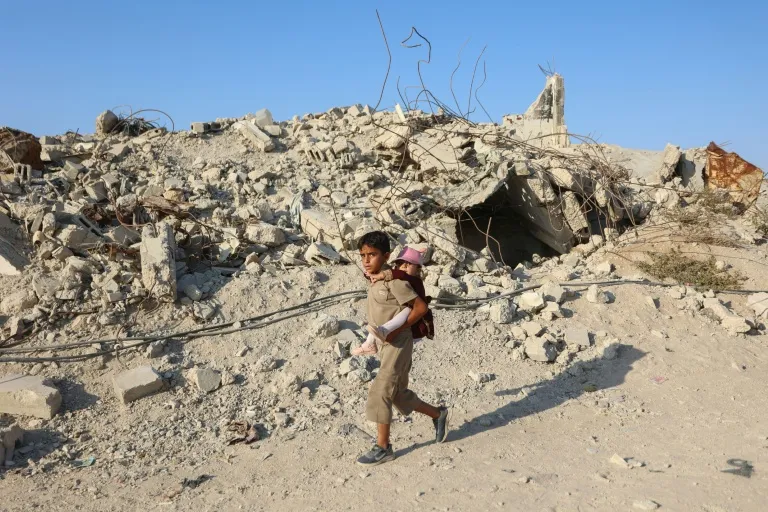
Meanwhile, Israeli military operations in Gaza have continued. A security official in Gaza reported that Israeli strikes since early Sunday have resulted in the deaths of 19 Palestinians, including women and children. Additionally, Palestinian authorities stated that an Israeli strike on Saturday destroyed a substantial quantity of medical supplies.
Israel has consistently accused Hamas of utilizing civilian infrastructure to conceal weapons and fighters, asserting that it has destroyed numerous arms depots throughout Gaza. The Israeli military identified two individuals killed on Saturday, claiming they were planning attacks against Israeli civilians and troops.
Diplomatic Efforts and Obstruction Allegations
Mohammad Dahlan, a prominent Palestinian political figure involved in the Gaza plan, initially suggested after the Board of Peace roadmap’s release that he had spoken with Jared Kushner, a senior aide to the Trump administration. Dahlan claimed Kushner indicated that Israel would cease its strikes in Gaza effective Sunday. However, Dahlan later amended his social media post, clarifying that Kushner was “working with the Israeli side to halt the attacks” rather than confirming an immediate cessation.
In the wake of these developments, Dahlan accused Prime Minister Netanyahu of actively working “to obstruct the most promising opportunity to begin ending this war.” The ongoing exchange of concerns and continued military actions highlight the complex and challenging path toward achieving a lasting peace in the region.
