

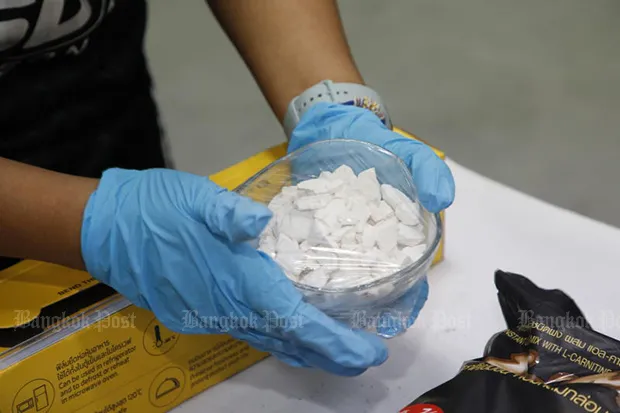
Thailand has emerged as a significant transit point for South Korean nationals involved in drug trafficking, with ten South Korean citizens apprehended in the kingdom last year for attempting to move illicit substances to other countries, primarily in Europe. This statistic highlights a concerning trend of drug smuggling operations involving South Korean citizens abroad.
Drug Trafficking Trends Among South Koreans Abroad
The figures, reported by Yonhap and attributed to ruling Democratic Party lawmaker Kim Joon-hwan, indicate that while Thailand is a notable location, other countries also saw a significant number of apprehensions. Cambodia led the list with eleven arrests, followed by Japan with nine. Laos recorded eight arrests, while China and Vietnam each reported seven cases. Other destinations where South Koreans were apprehended for drug trafficking offenses included Britain and Turkey.
It is important to note that these statistics primarily reflect cases where South Korean embassies were contacted in the country of arrest. This suggests that the actual number of incidents may be higher, as not all cases might involve embassy notification.
Surge in Drug Trafficking Cases
The data reveals a substantial increase in drug trafficking cases involving South Korean nationals. In 2025, the number of arrests more than doubled to 47, a sharp rise from 23 recorded in 2024. This surge points to a growing pattern of South Korean citizens allegedly attempting to traffic illegal drugs from the countries they visit to third destinations. The report did not specify whether South Korea itself was among the intended final destinations for these smuggled drugs.
Demographics of Offenders
Analysis of the apprehended individuals shows a concentration within specific age groups. Nearly half of the offenders were in their 30s. The majority of the remaining individuals were in their 20s and 40s, suggesting that drug trafficking activities are most prevalent among young to middle-aged adults.
Thailand’s Role in Drug Smuggling
Thailand has long been recognized as a source for drugs smuggled into South Korea. This often involves returning South Korean nationals or foreign arrivals carrying illicit substances. The recent arrests in Thailand underscore the kingdom’s position not only as a destination but also as a crucial hub for international drug transit routes.
Illustrating this ongoing issue, one recent case involved the arrest of a South Korean man just last month. He was apprehended for attempting to smuggle crystal methamphetamine, commonly known as ‘ice,’ into his home country. This incident serves as a stark reminder of the persistent challenges in combating drug trafficking and the various methods employed by individuals involved.
Combating Transnational Drug Crime
The increasing number of South Korean nationals involved in drug trafficking abroad necessitates a robust and coordinated response from both national and international law enforcement agencies. Understanding the routes, methods, and demographics of those involved is crucial for developing effective prevention
