

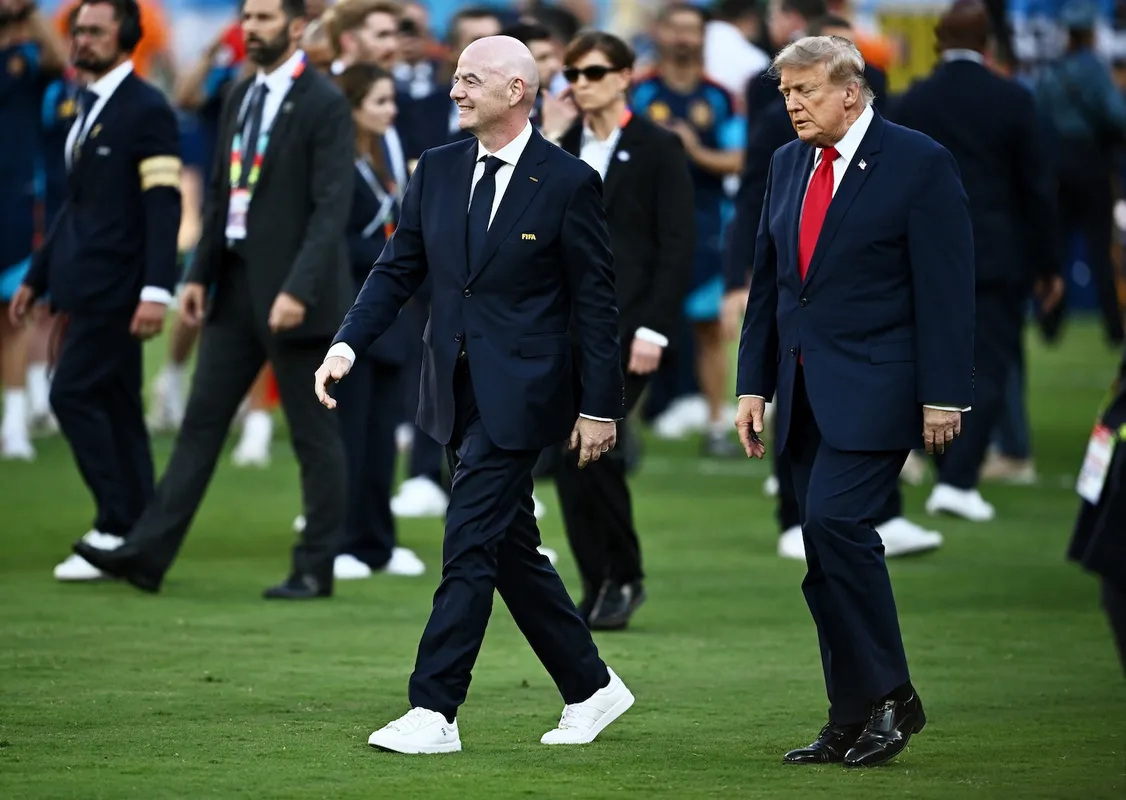
FIFA has categorically denied reports that its president, Gianni Infantino, attempted to contact former U.S. President Donald Trump for assistance following the abandonment of a controversial commercial rights plan. The denial comes after media outlets reported that Infantino had been trying unsuccessfully to reach Trump by phone since the proposal was withdrawn on Friday, amid growing criticism and a sense of isolation.
FIFA Addresses Speculation Over Presidential Outreach
In a statement issued to news agencies, FIFA asserted, “The FIFA President has not made any call to the US President, or any members of his administration, in recent days. It is pure fiction.” This firm rebuttal directly addresses allegations that Infantino sought intervention from the former president during a period of intense scrutiny.
The Collapsed Commercial Rights Venture
The controversy stems from FIFA’s ambitious plan to spin off the global soccer body’s commercial assets into a new entity. This proposed venture, intended to attract private investment, aimed to unlock up to $4.2 billion by selling approximately a 20% stake in an entity overseeing major competitions, including the FIFA World Cup. However, the proposal faced significant resistance from various stakeholders and was ultimately shelved.
Stakeholder Resistance and Plan Abandonment
The strong opposition from key figures and organizations within the soccer world led to the collapse of the deal. This failure has shifted focus towards the potential consequences for Infantino’s leadership and his aspirations for a second term as FIFA president, which would run from 2027 to 2031. His tenure has been marked by significant strategic initiatives, but this particular plan has drawn considerable backlash.
Infantino’s Relationship with Donald Trump
Infantino and Donald Trump have cultivated a public relationship, often appearing together at prominent soccer events. Notably, they were seen at the most recent FIFA World Cup, which was co-hosted by the United States, Mexico, and Canada. In a symbolic gesture, Infantino presented Trump with the inaugural FIFA Peace Prize in December 2025, making him the first recipient of this award.
The Kushner Connection and Investor Interest
The relationship between Infantino and Trump gained further attention due to the expected involvement of Thrive Capital, a firm founded by Joshua Kushner, in the proposed commercial rights venture. Joshua Kushner is the brother of Jared Kushner, who served as a senior advisor to former President Trump. The potential role of Thrive Capital in managing FIFA’s commercial assets added another layer of complexity and scrutiny to the deal.
Clarification on Secretary of State Meeting
Further reports suggested that Infantino had scheduled private discussions with U.S. Secretary of State Marco Rubio. However, this claim was also refuted. A spokesperson for the State Department, Dylan Johnson, stated via a social media post on Monday that there were no scheduled meetings between Secretary Rubio and the FIFA president.
Seeking Support Amidst Criticism
In the wake of the plan’s collapse and the ensuing criticism, Gianni Infantino has utilized his Instagram account to share messages of support from various FIFA member federations. Countries such as Sri Lanka, Kuwait, Qatar, and Morocco have publicly backed the FIFA president, signaling a continued base of support within the global soccer community despite the recent setbacks.
Future Implications for FIFA Leadership
The failed commercial rights initiative and the subsequent denials of seeking external political assistance place Gianni Infantino’s leadership under a microscope. His ability to navigate these challenges and maintain confidence among FIFA’s stakeholders will be crucial as attention turns towards the next presidential election cycle. The incident underscores the delicate balance FIFA must maintain between commercial innovation and stakeholder relations, particularly when such ventures involve high-profile political figures and private investors.
Broader Context of FIFA Governance
FIFA, as the international governing body for association football, has a complex mandate that includes promoting the sport globally, organizing major tournaments like the World Cup, and managing its significant commercial interests. Recent years have seen FIFA, under Infantino’s leadership, pursue various strategies to increase revenue and enhance the sport’s global appeal. These efforts, while often aimed at long-term growth and stability, can sometimes lead to controversy if not managed with broad consensus from member associations and other key stakeholders.
The Role of Private Investment in Sports
The proposed deal highlighted a growing trend in the sports industry: the increasing involvement of private equity and investment firms. These entities seek to capitalize on the lucrative commercial potential of major sporting organizations and events. FIFA’s attempt to partner with investors reflects this broader industry shift. However, the governance structure of sports bodies like FIFA, which are often non-profit organizations with a mission to serve the sport, presents unique challenges when engaging with profit-driven private capital. Ensuring that such partnerships align with the long-term interests of football and its fans remains a critical consideration for governing bodies worldwide.
Conclusion: Navigating Scrutiny and Maintaining Trust
FIFA’s swift denial of President Infantino’s alleged attempts to contact former President Trump underscores the organization’s effort to manage the narrative surrounding the failed commercial rights deal. While the organization asserts its independence, the scrutiny on Infantino’s leadership and FIFA’s strategic decisions is likely to persist. The focus now returns to FIFA’s internal governance and its ability to forge consensus among its diverse membership and stakeholders as it moves forward.
