

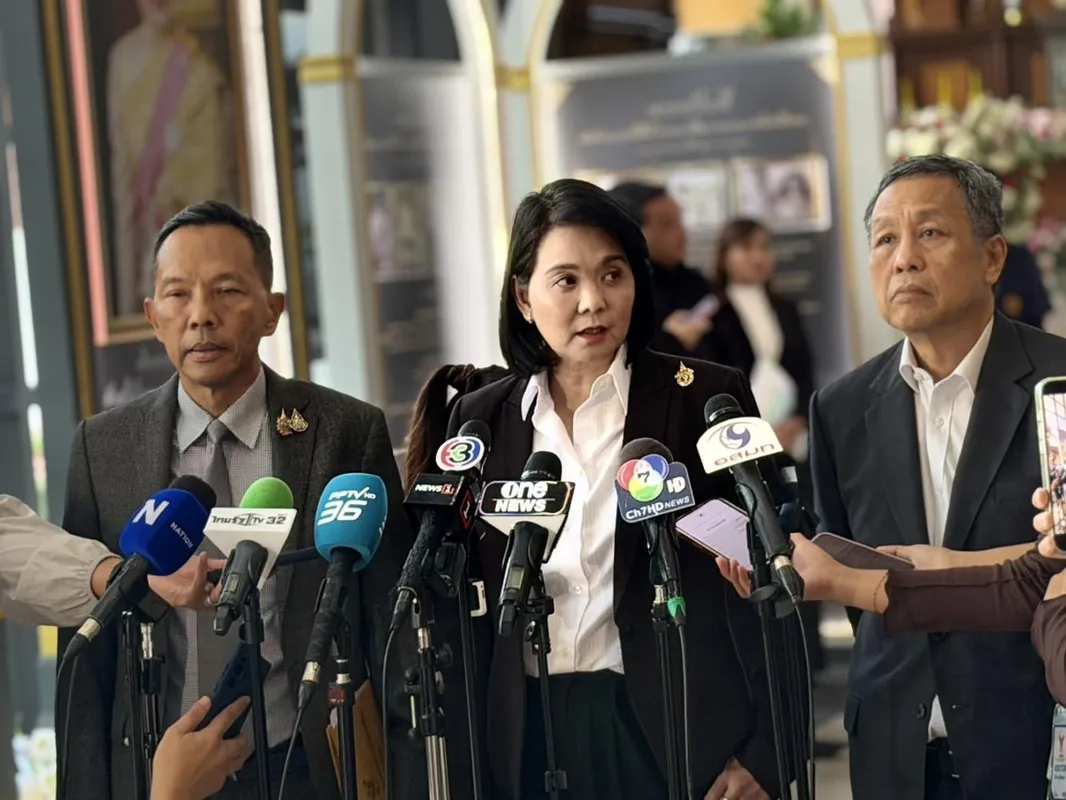
The National Broadcasting and Telecommunications Commission (NBTC) of Thailand is experiencing a significant operational deadlock, with repeated board meetings being aborted due to a boycott by several commissioners. This crisis centers on the disputed qualifications of NBTC Chairman Dr. Sarana, whose eligibility has been challenged by a faction within the seven-member board. The ongoing stalemate threatens to impede the commission’s ability to address crucial regulatory matters.
Deepening Crisis Halts NBTC Operations
The latest NBTC board meeting, scheduled to address a backlog of 34 urgent agenda items, was canceled yesterday, marking the third consecutive meeting to fail due to a lack of quorum. The disruption stems from four commissioners boycotting sessions in protest against a ruling that disqualified Dr. Sarana as a commissioner. This ruling, issued by the NBTC selection committee, cited Dr. Sarana’s alleged failure to comply with NBTC law, a claim he vehemently denies.
The boycotting commissioners have called for Dr. Sarana to step down from his duties, allowing the remaining six members to convene and conduct business. However, Dr. Sarana maintains his position, asserting that he has acted lawfully and with dedication throughout his tenure. He has formally challenged the selection committee’s ruling by filing a lawsuit with the Central Administrative Court, seeking to have the disqualification overturned. While the court has accepted his case for consideration, it has not yet issued an urgent interim order to suspend the ruling.
The Boycott and Its Ramifications
The initial boycott occurred on July 27, when three commissioners—Pirongrong Ramasoota, AM Thanapant Raicharoen, and Mr. Suphat Suphachalasai—walked out of a meeting. Another commissioner, Somphop Purivigraipong, was absent on the same day. This coordinated action has prevented the board from reaching the minimum quorum of four members required to conduct official business. The boycotting commissioners argue that the legitimacy of any decisions made under Dr. Sarana’s chairmanship is now in question, potentially rendering future board resolutions legally void.
Dr. Sarana, however, insists that attending meetings is a fundamental part of his official duties. He argues that his presence is essential for the board’s functioning, even if his vote is just one among seven. He has expressed a willingness to abstain from specific votes if it would facilitate the resumption of meetings, emphasizing his commitment to resolving the impasse.
Dr. Sarana’s Defense and Legal Challenge
In a letter addressed to Deputy Prime Minister Anutin Charnvirakul, Dr. Sarana defended his actions, stating he has served with full dedication for four years and four months without wrongdoing and has adhered to all legal requirements. He has publicly declared that he does not recognize the authority of the selection committee that disqualified him.
Regarding the suggestion that the seven commissioners convene to vote on his status, Dr. Sarana questioned the legal basis for such a procedure. He pointed out that the law does not appear to grant a majority vote the power to compel the chairman to cease his duties, suggesting such discussions would only exacerbate the complications.
The Central Administrative Court’s decision not to issue an immediate interim order means Dr. Sarana can continue his duties for now, pending the full adjudication of his lawsuit. The court’s acceptance of the case signifies that it will examine the merits of his challenge against the selection committee’s ruling.
Moving Forward: Urgency and National Interest
With numerous critical regulatory matters awaiting the NBTC board’s attention, the prolonged deadlock poses a significant risk to the effective governance of Thailand’s telecommunications and broadcasting sectors. Dr. Sarana has urged all commissioners to return to the boardroom for upcoming scheduled meetings on August 11, 13, 19, and 20.
He stressed that the “interests of the nation must take precedence over internal disputes,” expressing optimism that a resolution to resume the meetings will be reached soon. The outcome of Dr. Sarana’s legal challenge and the willingness of the dissenting commissioners to return to the table will be critical in determining whether the NBTC can overcome this paralyzing internal conflict and resume its vital regulatory functions.
The situation highlights the delicate balance of power within regulatory bodies and the potential for disputes over qualifications and authority to disrupt essential public services. As the legal process unfolds, stakeholders will be closely watching for signs of reconciliation or further escalation within the NBTC leadership.
