

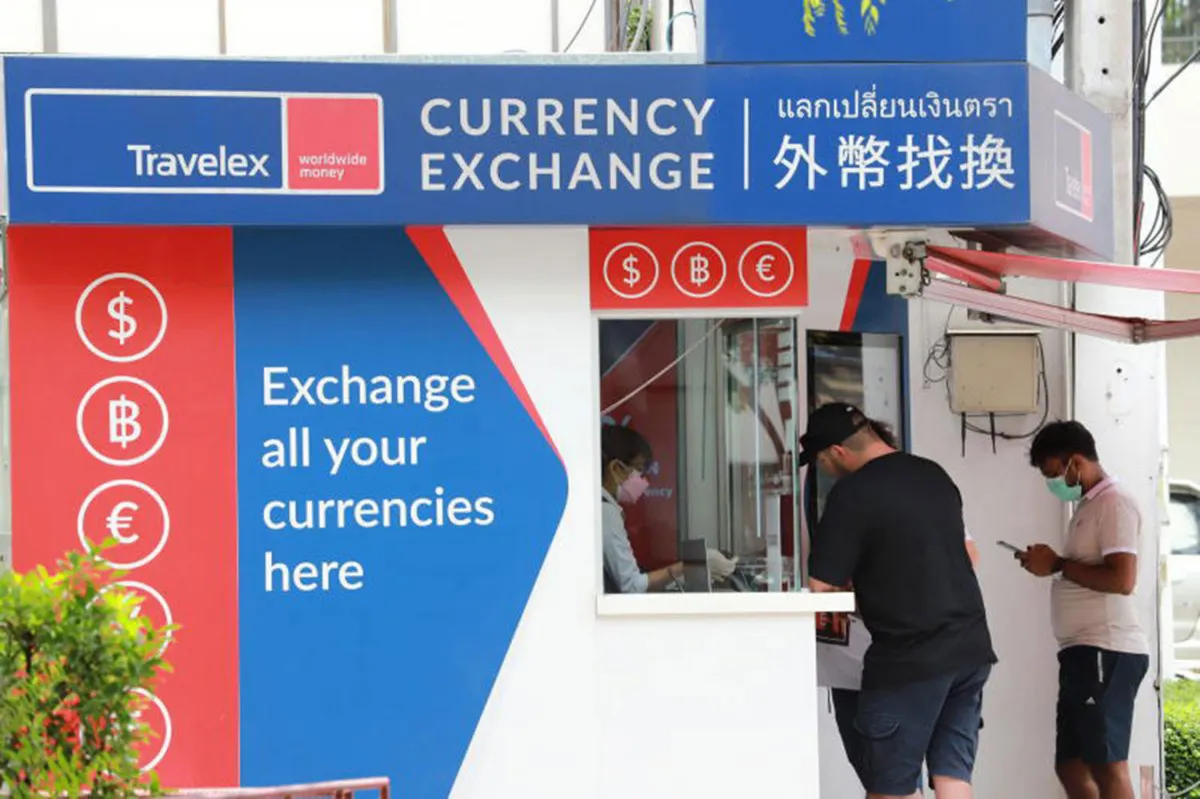
The Thai baht has experienced a recent surge, reaching approximately 33 baht to the US dollar, largely influenced by international financial maneuvers. However, analysts at Standard Chartered predict this appreciation is temporary, forecasting a weaker baht for the remainder of 2026 due to persistent domestic economic hurdles.
Global Interventions Bolster Baht Temporarily
The baht’s recent strengthening is primarily attributed to a coordinated effort by the US and Japanese central banks to intervene in currency markets by buying yen. This action, which began late last week and continued into the current week, exerted downward pressure on the US dollar. The intervention also coincided with a decrease in US Treasury yields.
Further support for the baht came from a recovery in global gold prices, which rebounded from around US$4,000 per ounce to approximately $4,300. This combination of factors allowed the yen to regain ground against the dollar, moving away from its 40-year lows following the rare joint intervention.
“Given these global factors, the baht has appreciated by around 50 satang against the US dollar over the past few days,” noted Tim Leelahaphan, Standard Chartered’s senior economist. “However, we expect the baht to remain on the weaker side against the dollar for the rest of the year due to domestic challenges.”
Economic Outlook and Forecasts for Thailand
Standard Chartered has revised its economic outlook for Thailand, upgrading the 2026 Gross Domestic Product (GDP) growth forecast to 1.6%, an increase from the previous 1.4% projection. This adjustment follows a robust first-quarter GDP gain of 2.8%.
Despite the overall positive revision, the bank anticipates a slowdown in economic growth for the second quarter of 2026, projecting it to fall below 2%. This anticipated dip is partly attributed to the ongoing impact of geopolitical tensions in the Middle East. A rebound is, however, expected in the third quarter, bolstered by the Thai government’s stimulus measures.
Key Economic Indicators and Concerns
- GDP Growth: Upgraded for 2026 to 1.6% from 1.4%; Q1 2026 growth was 2.8%.
- Q2 2026 Outlook: Expected to slow to below 2% due to Middle East conflict impacts.
- Q3 2026 Outlook: Projected rebound supported by government stimulus.
- Foreign Tourist Arrivals: Recovery remains uneven, particularly from China, missing projections.
- Domestic Demand: Subdued, contributing to economic challenges.
- Business and Consumer Confidence: Weighed down by external uncertainties.
Baht’s Role in Competitiveness and Fundamental Needs
While a weaker baht can offer a short-term advantage by enhancing Thailand’s price competitiveness for exports and tourism, Leelahaphan cautioned that it is not a substitute for robust economic fundamentals. He emphasized the need for a cohesive policy response aimed at rebuilding confidence, bolstering household purchasing power, and ensuring a sustained economic recovery.
The bank’s forecast suggests that Thailand’s economy will grapple with more significant challenges in the latter half of 2026. This outlook is shaped by the inconsistent recovery of foreign tourist arrivals, sluggish domestic demand, and the continued impact of global uncertainties on both business and consumer sentiment.
Tourism Sector Performance
The tourism sector, a vital component of the Thai economy, is showing signs of strain. Projections for foreign tourist arrivals have not been met, with a notable shortfall from Chinese visitors. Hotel operators are expressing caution regarding the outlook for the third quarter, with many reporting weak bookings. In response, some hotels have resorted to lowering room rates in an attempt to stimulate demand.
Current data indicates that foreign tourist arrivals are down by 3% year-on-year. The average hotel occupancy rate stands at 69%, reflecting the subdued demand in the sector.
Standard Chartered’s Baht Forecast
Standard Chartered projects that the Thai baht will conclude 2026 at approximately 32.50 baht per US dollar. This forecast underscores the expectation that despite temporary global influences, domestic economic factors will continue to exert downward pressure on the currency throughout the forecast period.
Leelahaphan advised market participants to closely monitor the underlying economic momentum in the coming quarters. The interplay between global financial developments and Thailand’s domestic economic health will be crucial in shaping the baht’s trajectory and the broader economic landscape.
Conclusion: Navigating Economic Headwinds
The Thai economy is at a critical juncture, balancing temporary currency gains driven by international interventions against underlying domestic challenges. While the baht’s potential weakness could offer export and tourism benefits, sustainable growth hinges on addressing fundamental economic issues. Standard Chartered’s forecast of a weaker baht through 2026 highlights the need for strategic policy interventions to foster confidence, stimulate demand, and ensure a resilient economic recovery in the face of global uncertainties.
