

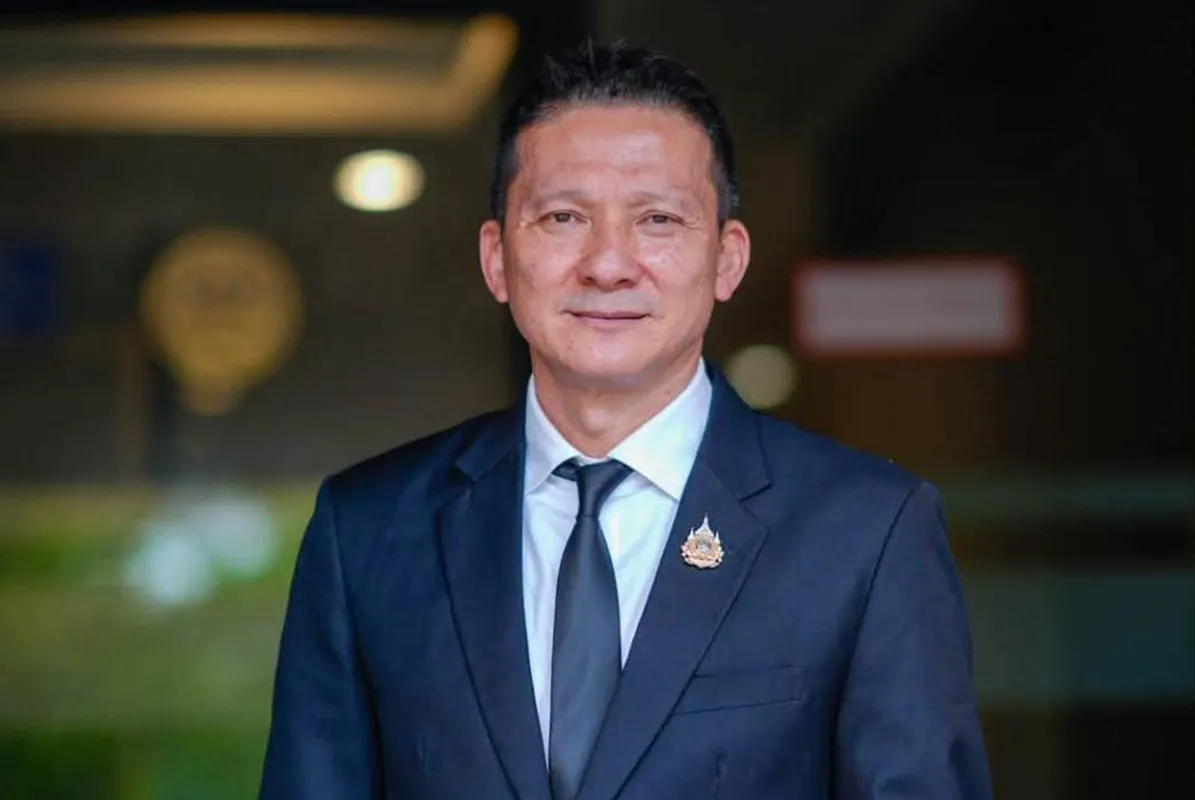
The Thai cabinet’s recent approval of Pol Col Watanyu Witthayapalotha for a position within the State Audit Office (STO) has ignited a firestorm of criticism regarding ethical standards in public appointments. The decision, made on Wednesday, has drawn sharp rebukes from various figures, who question the transparency and propriety of placing individuals with close political ties into significant government roles.
Concerns Over Political Patronage in Appointments
Dr. Tul, a prominent critic, voiced his deep unease in a Facebook post on Friday, highlighting a pattern of recent appointments and transfers of senior state officials. He argued that these moves raise serious ethical questions and appear to favor close associates or individuals with political connections for key positions. The appointment of Pol Col Watanyu, according to Dr. Tul, serves as a prime example, with his professional background prompting scrutiny over his qualifications and the ethical judgment of those responsible for the decision.
Pol Col Watanyu’s Political Connections
Pol Col Watanyu’s career has been notably intertwined with several prominent political figures. He previously served on security details for former prime ministers Thaksin Shinawatra and Yingluck Shinawatra, as well as for current Prime Minister Srettha Thavisin and Paetongtarn Shinawatra. This extensive association with political leaders has become a focal point for critics.
Further complicating the matter is a past disciplinary investigation in 2018. At that time, Pol Col Watanyu, who was then attached to the Special Branch Police’s research and development unit, faced scrutiny after being photographed with Thaksin and Yingluck at the Fifa World Cup in Russia. While the outcome of this investigation was not detailed, its occurrence adds another layer to the public’s concern.
Following Ms. Paetongtarn’s departure from her previous office, Pol Col Watanyu was transferred from the Royal Thai Police to the civil service. His new assignment placed him within the Prime Minister’s Office, culminating in his appointment as the deputy director of the STO.
Questions About the STO’s Existence
Beyond the specific individual appointed, former senator Kamnoon Sidhisamarn has raised fundamental questions about the very existence and purpose of the STO itself. Mr. Kamnoon suggested that the focus should not be on who leads the office, but rather on why it continues to operate.
The STO’s Mandate and Expiration
In a separate Facebook post, Mr. Kamnoon explained his reasoning. He pointed out that the national reform process, initiated under the 2017 Constitution, effectively concluded in 2022. This conclusion was marked by the expiration of the 13 national reform committees on August 14 of that year.
Mr. Kamnoon asserted that the STO was established as a temporary entity, specifically to support this reform process. Consequently, its operational tenure was slated to end at the close of 2023. His remarks imply that the continued existence and staffing of the STO, especially with a new deputy director, may be incongruous with its original, time-limited mandate.
Broader Implications for Governance
The controversy surrounding Pol Col Watanyu’s STO appointment highlights a recurring tension in Thai politics: the balance between political loyalty, professional competence, and public trust. Critics argue that such appointments, regardless of the individual’s technical qualifications, can erode public confidence in government institutions. They contend that prioritizing political connections over meritocracy can lead to perceptions of corruption and unfairness, potentially undermining the effectiveness of state agencies.
The STO, tasked with overseeing the efficiency and legality of government spending, plays a crucial role in maintaining fiscal accountability. Appointing individuals whose impartiality or ethical standing is questioned could, in the eyes of critics, compromise its ability to perform its oversight functions without bias. This raises concerns about the integrity of public finances and the government’s commitment to good governance principles.
The Path Forward
The debate underscores the need for greater transparency and stricter adherence to ethical guidelines in the appointment of public officials. As Thailand navigates its political landscape, ensuring that key positions are filled based on merit, integrity, and a proven commitment to public service remains a critical challenge. The public and civil society groups will likely continue to scrutinize such appointments, demanding accountability and upholding high ethical standards in the administration of public affairs.
The ongoing discussion serves as a reminder of the importance of robust checks and balances within the government structure. It emphasizes the role of public opinion and media scrutiny in holding power accountable and advocating for a more principled approach to public service appointments.
