

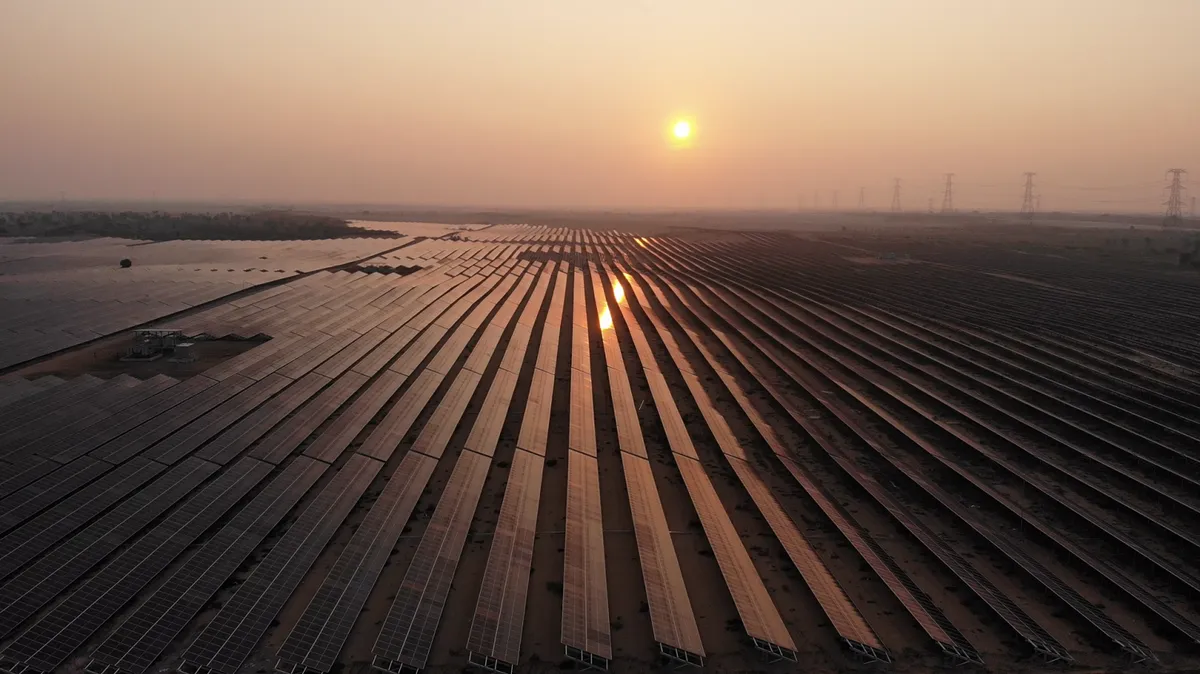
Global Power Synergy Company (GPSC) is strategically positioning itself to capitalize on Thailand’s burgeoning energy transition and the significant influx of foreign investment into cloud and artificial intelligence infrastructure. The company is actively preparing substantial investments in data centre-related businesses, with a focus on both Thailand and India. A key component of this strategy involves supplying up to 1,000 megawatts (MW) of clean power, potentially through strategic joint ventures.
Driving the Energy Transition for Data Centers
A significant catalyst for GPSC’s plans is the Thai government’s initiative to draft a pilot direct power purchase agreement (PPA) scheme. This groundbreaking policy aims to enable data centers to procure clean electricity directly from renewable energy producers, bypassing traditional utility channels. Historically, peer-to-peer clean power trading has faced regulatory hurdles, but this new scheme has the potential to unlock an estimated 2,000 MW of capacity. Regulators are reportedly considering expanding this innovative model to other industrial sectors beyond data centers.
Initially conceived for the Eastern Economic Corridor (EEC), a major industrial development zone, the direct PPA scheme is anticipated to broaden its reach to other regions across Thailand. The Energy Regulatory Commission has emphasized that the pace and scope of this expansion will be contingent upon the availability of robust renewable energy generation capacity and the adequacy of the national transmission infrastructure.
GPSC’s Initial Projects and Market Ambitions
Sukittee Chairak, senior vice-president of corporate finance and investor relations at GPSC, indicated that the company’s first project under this direct PPA scheme is expected to deliver a minimum of 300 MW and is slated for finalization within the current year. This marks a significant step in GPSC’s commitment to supporting the energy needs of the rapidly growing data center market.
GPSC has set an ambitious target of capturing a 15% share of Thailand’s emerging market for data center energy solutions. Concurrently, the company is pursuing international expansion, particularly in India. The Indian venture will commence with an initial capacity of 30–50 MW, with plans to scale this up significantly to 300 MW over the next five years. This dual approach of domestic leadership and international growth underscores GPSC’s global vision.
Repowering Existing Assets and Future Demand
Beyond new development, GPSC is also focused on optimizing its existing portfolio. The company is planning to repower several of its established facilities, including GSPP11 (120 MW) and GIPP (677 MW). These plants are nearing the expiration of their power purchase agreements with the Electricity Generating Authority of Thailand, making repowering a strategic move to extend their operational life and potentially enhance their efficiency and environmental performance.
Looking towards future demand, GPSC anticipates a robust increase in electricity consumption from its industrial customers during the second half of 2026. This projected growth is partly attributed to expected improvements in the operational efficiency of the Xayaburi power plant located in Laos, a key regional energy asset. Despite these positive outlooks, the company projects a dip in its overall performance compared to the previous year, a common occurrence in the cyclical energy sector.
Ambitious Capacity Expansion by 2030
GPSC has laid out a comprehensive and ambitious roadmap for capacity expansion. The company aims to more than double its total generation capacity, increasing it from the current 7,421 MW to a substantial 13,666 MW by the year 2030. This significant expansion plan highlights GPSC’s unwavering commitment to embracing clean energy technologies and fostering regional economic growth through reliable and sustainable power generation.
The company’s strategic focus on the energy transition, coupled with its proactive investment in data center infrastructure and expansion of its generation capacity, positions GPSC as a key player in shaping the future of energy in Thailand and beyond. The direct PPA scheme, in particular, represents a forward-thinking regulatory approach that could unlock significant opportunities for renewable energy deployment and support the digital economy’s growth.
