

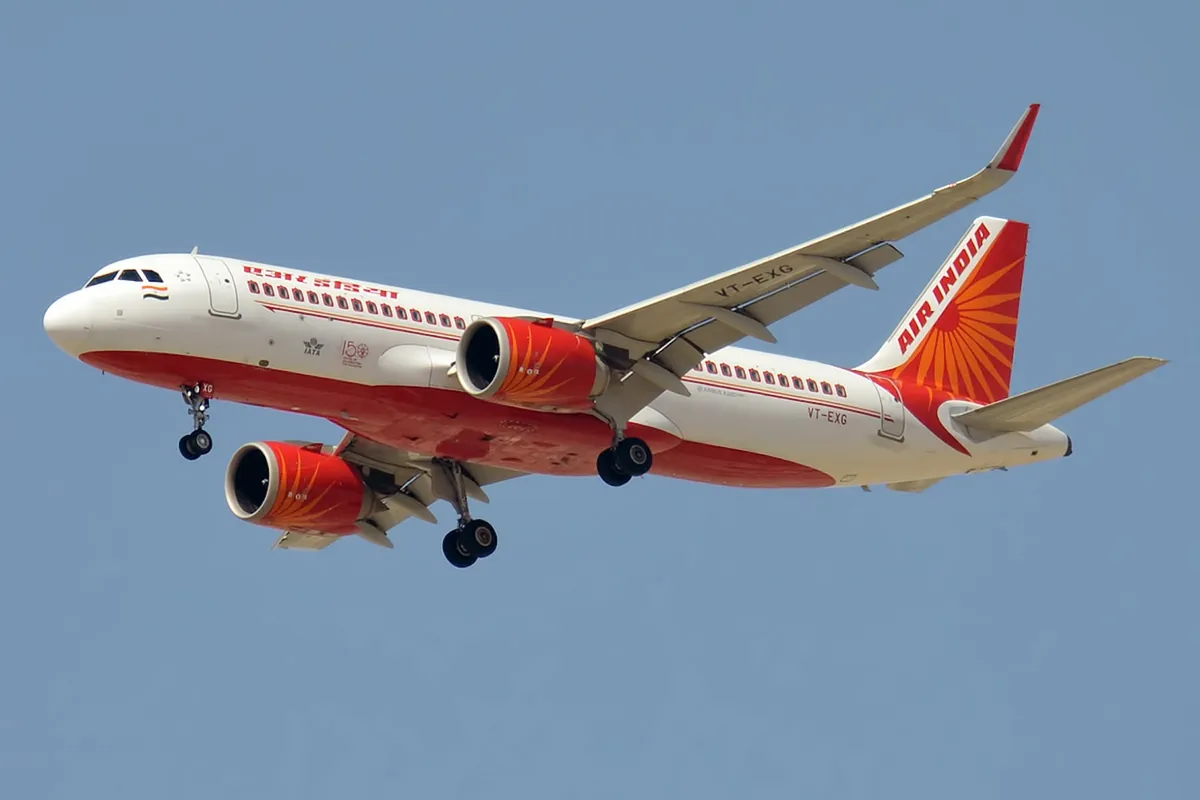
The Chief Executive Officer of Air India has been summoned by the airline’s management following a concerning mid-air incident involving a flight from Phuket, Thailand, to Delhi, India. The summons highlights the seriousness with which the airline and aviation authorities are treating the event, which resulted in injuries to several passengers and crew members.
Details of the Phuket-Delhi Flight Incident
The incident occurred on August 4th aboard an Airbus A320neo aircraft operating flight AI332 from Phuket to Delhi. While flying over the eastern Indian state of Odisha, the aircraft experienced a “momentary altitude variation,” as described by Air India. Reports indicate this sudden drop in altitude was approximately 300 feet. Despite the unsettling maneuver, the aircraft, carrying 137 passengers and eight crew members, managed to land safely in Delhi.
However, the event was not without consequence. A total of 13 passengers and four crew members sustained injuries during the flight. The specifics of their injuries have not been detailed, but the number underscores the potential severity of such an unexpected change in flight dynamics.
Investigation and Initial Findings
In response to the incident, Indian aviation authorities have launched a formal investigation. A significant development in the early stages of this inquiry emerged on Sunday when India’s civil aviation ministry announced that the captain of the flight had undergone an initial screening for psychoactive substances. The results of this preliminary test were reportedly positive, necessitating further, more comprehensive laboratory testing.
Air India has stated that it has not yet been officially informed of the final laboratory results. The airline’s stance indicates a commitment to awaiting conclusive findings before making any definitive statements regarding the captain’s condition or its potential role in the incident.
Broader Context and Regulatory Scrutiny
This event places Air India under increased scrutiny, particularly following its recent integration into the Tata Group. The airline has been undergoing a significant transformation, aiming to restore its reputation for service and operational excellence. Incidents like the Phuket-Delhi flight anomaly can cast a shadow over these efforts and raise questions about the effectiveness of current safety protocols and oversight.
The summoning of the CEO signals a proactive approach by Air India’s leadership to address the situation directly. It suggests a desire to understand the root cause of the “momentary altitude variation” and to ensure that all necessary measures are taken to prevent similar occurrences in the future. The focus on the flight captain’s screening also points to a thorough examination of all potential contributing factors, including human factors.
Safety in Air Travel: A Constant Priority
The safety of passengers and crew is paramount in air travel. Aviation regulatory bodies worldwide, including those in India, maintain stringent standards for aircraft operation, pilot conduct, and substance abuse policies. Investigations into such incidents are designed to be comprehensive, examining everything from the aircraft’s mechanical performance to the physiological and psychological state of the flight crew.
The “momentary altitude variation” could be attributed to various factors, including severe turbulence, a temporary lapse in pilot situational awareness, or a combination of elements. The investigation will aim to pinpoint the exact cause through analysis of flight data recorders, cockpit voice recorders, and witness testimonies.
Looking Ahead: Air India’s Response and Future Measures
The summoning of the CEO is a clear indication that Air India is taking the incident very seriously. The airline is expected to cooperate fully with the ongoing investigation and to implement any recommendations made by the authorities. This includes potentially reviewing its procedures for pilot screening, training, and monitoring, especially in light of the preliminary findings regarding the captain.
Passengers and the public will be looking for transparency and decisive action from Air India. Rebuilding confidence after such an event relies on demonstrating a robust commitment to safety and a willingness to address any shortcomings. The outcome of the investigation and the subsequent actions taken by Air India will be crucial in shaping its future operational integrity and public perception.
The airline has a history that commands respect, and its current management is under pressure to uphold and enhance that legacy. This incident, while concerning, presents an opportunity for Air India to reaffirm its dedication to the highest standards of aviation safety, ensuring that all flights, whether domestic or international, are conducted with the utmost care and professionalism.
