

Thailand’s vital sugar industry is bracing for significant challenges as the El Niño phenomenon is predicted to bring severe drought conditions across the nation. This climatic event, characterized by elevated sea surface temperatures in the Pacific Ocean, poses a substantial risk to the country’s agricultural output, particularly its extensive sugar cane plantations.
El Niño’s Impact on Thai Agriculture
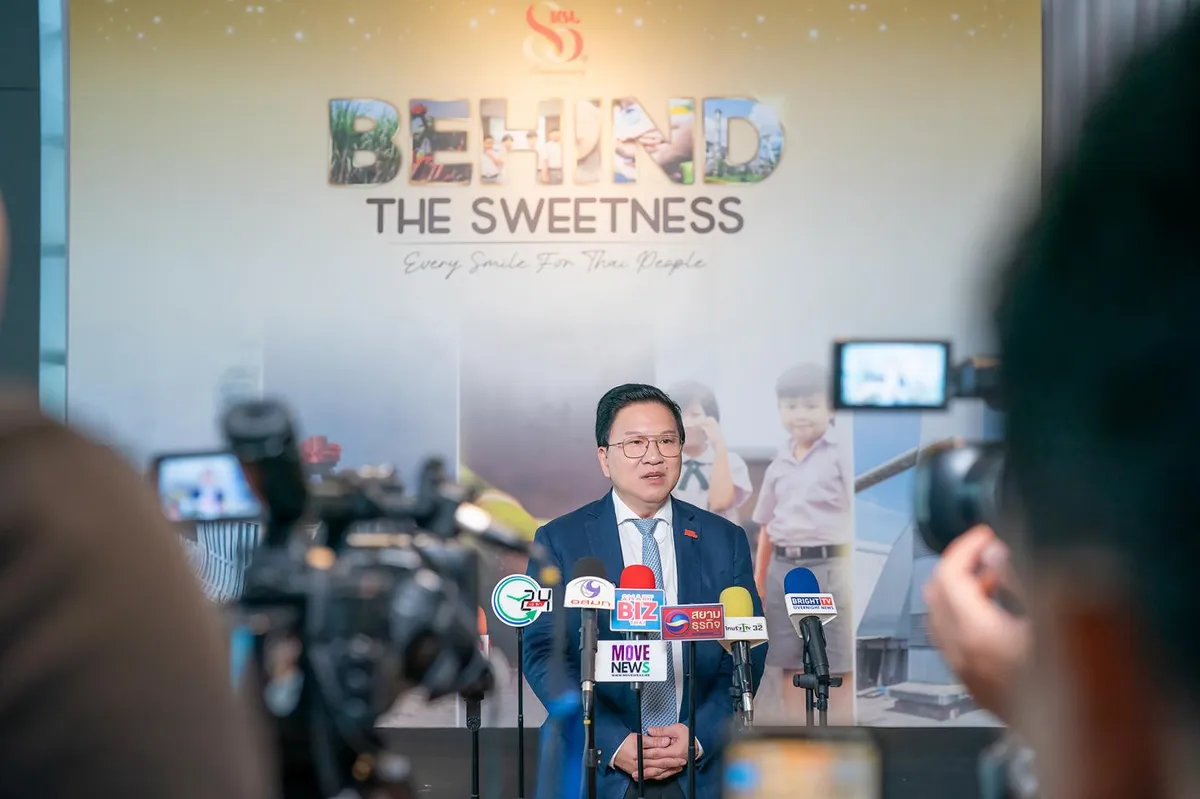
Chalush Chinthammit, president of KSL (Kaset Thai International Sugar Corporation), has called on the government to implement proactive measures to mitigate the impending water shortages. He warned that the anticipated erratic rainfall patterns could have long-term detrimental effects on crop yields. “Rainfall is expected to stop within two weeks, just as sugar cane planting has begun. Farmers and the industry are closely monitoring the situation,” he stated, highlighting the immediate concern for the upcoming planting season.
Thailand cultivates sugar cane across approximately 11 to 12 million rai (about 1.76 to 1.92 million hectares). KSL has expressed concerns that the potential for reduced yields and water scarcity might lead some farmers to shift from sugar cane cultivation to growing cassava. Cassava currently offers more attractive market prices, presenting a difficult economic decision for growers.
Projected Output Declines and Global Market Shifts
KSL’s projections indicate a notable decrease in sugar cane output for the 2026–27 season, estimating it to fall to nearly 100 million tonnes. This is a reduction from the 106 million tonnes harvested in the 2025–26 season, which concluded in March of this year. This anticipated drop in production is directly linked to the expected El Niño-induced drought.
The global sugar market is also poised for significant shifts, with forecasts suggesting a rise in international prices. KSL anticipates sugar prices could reach around 17 cents per pound by 2027. This increase is attributed to supply shortages caused by drought in key producing regions and reduced export volumes from major players.
Several factors are contributing to the tightening global supply. Mr. Chalush pointed to Brazil’s potential decision to redirect a larger portion of its sugar cane towards ethanol production, driven by rising oil prices influenced by ongoing conflicts in the Middle East. Concurrently, India has imposed a ban on sugar exports to ensure sufficient domestic supply, further constraining global availability.
The current market already reflects these pressures, with sugar prices having climbed to 16 cents per pound, an increase from the previous 14 cents. In response to these market dynamics and the anticipated domestic production challenges, KSL has advised Thai sugar producers to consider moderating their export volumes and building up their inventories. This strategy aims to provide a buffer against the potential impact of reduced yields on supply chains.
Operational Considerations and Border Area Concerns
The sugar cane crushing season in Thailand typically spans 100 to 130 days, scheduled to run from December 2026 to March 2027. During this period, 57 sugar mills across the country will process cane supplied by farmers. In the most recent crop year, KSL processed approximately 8.4 million tonnes of sugar cane.
In a separate development, KSL recently announced the reactivation of its fifth sugar factory located in Sa Kaeo province. This facility has an annual processing capacity of 500,000 to 600,000 tonnes. The reopening follows a period of eased tensions along the Thai-Cambodian border, which had previously impacted operations in the region.
Despite the improvement in border relations, lingering concerns persist regarding the presence of unexploded ordnance in plantation areas near the frontier. This remains a residual risk stemming from past armed conflicts in the border region, posing a potential safety hazard for agricultural activities.
Conclusion: A Call for Preparedness
The confluence of the El Niño-driven drought threat, shifting global market dynamics, and specific operational challenges underscores the need for strategic planning within Thailand’s sugar industry. Proactive government intervention, farmer adaptation, and prudent inventory management by producers will be crucial in navigating the anticipated difficulties and ensuring the resilience of this key agricultural sector.
