

Consumers can expect a reduction in their electricity bills starting in September, with the Energy Regulatory Commission (ERC) confirming a decrease in power charges that will remain in effect through at least December. The adjustment is set to lower electricity costs by approximately 6 satang per unit.
Electricity Tariff Revision Details
The decision, announced by Energy Minister Akanat Promphan, follows an approval process by the ERC, which concluded a public consultation period. This consultation focused on revising residential electricity tariffs and specifically addressed the removal of public lighting costs from household electricity bills. The revised rates are scheduled to take effect for bills issued from September until the end of the year.
According to Poonpat Leesombatpiboon, the ERC’s secretary-general, the average electricity charge will decrease from 3.95 baht per unit to 3.86 baht per unit. This figure does not include value-added tax (VAT). This represents a tangible saving for households across the country.
Special Rate for Lower Consumption
A significant aspect of the new tariff structure is a special provision for households with lower electricity consumption. Consumers using up to 200 units of electricity per month will benefit from a capped rate of no more than 3 baht per unit for this portion of their usage. Consumption exceeding this 200-unit threshold will be billed at the standard applicable tariff rates. This measure aims to provide greater relief to those who consume less electricity.
Background to the Tariff Changes
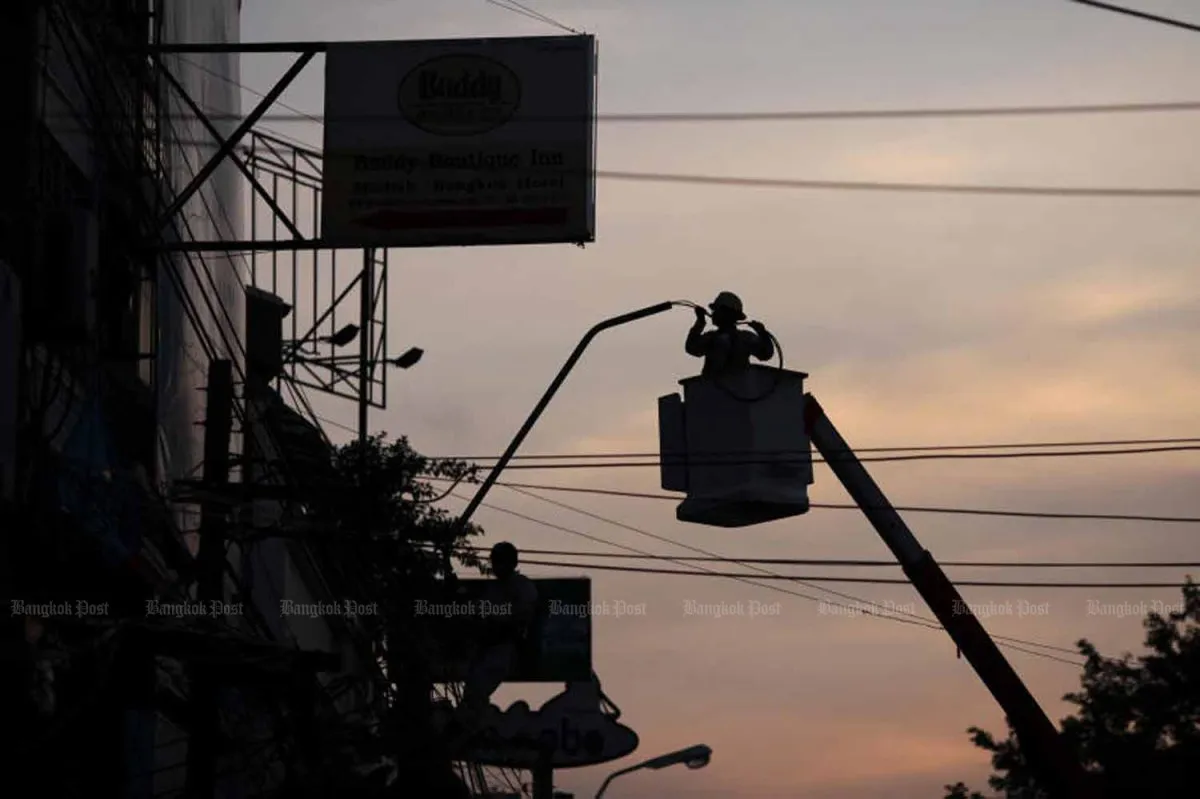
The impetus for these changes stems from a resolution made by the National Energy Policy Council in the preceding month. The council mandated the removal of public street-lighting costs from the electricity bills of residential consumers. This strategic move ensures that households are no longer subsidizing public infrastructure through their individual energy consumption charges.
Extended Eligibility for Residential Rates
In addition to the cost reductions and tariff adjustments, the revised structure also expands the eligibility for residential electricity rates. Certain occupants of homes who may not possess permanent house registration will now be able to access these rates. To qualify, these individuals must meet specific conditions stipulated by the relevant electricity authorities. Key among these conditions is the requirement to demonstrate a consistent record of electricity payments, ensuring responsible usage and billing practices.
Impact and Future Outlook
The ERC’s confirmation of lower power bills signals a proactive approach by the government and regulatory bodies to manage energy costs for consumers. The reduction, though seemingly small per unit, can accumulate into significant savings over a billing period, especially for households with moderate to high consumption. The inclusion of a special rate for lower consumption tiers further underscores an effort to make electricity more affordable for all segments of the population.
The removal of public lighting costs from residential bills is a notable policy shift, aligning energy charges more directly with individual household consumption. This move promotes transparency and fairness in billing practices. Furthermore, the extension of residential rate eligibility acknowledges the diverse living situations within the country and seeks to ensure equitable access to electricity services.
As the new rates come into effect from September through December, consumers are advised to monitor their electricity usage and bills to fully appreciate the impact of these changes. The ERC’s commitment to reviewing and adjusting tariffs aims to balance the financial sustainability of the energy sector with the affordability needs of the public. This period of lower rates will be closely watched to assess its effectiveness and inform future energy policy decisions.
