

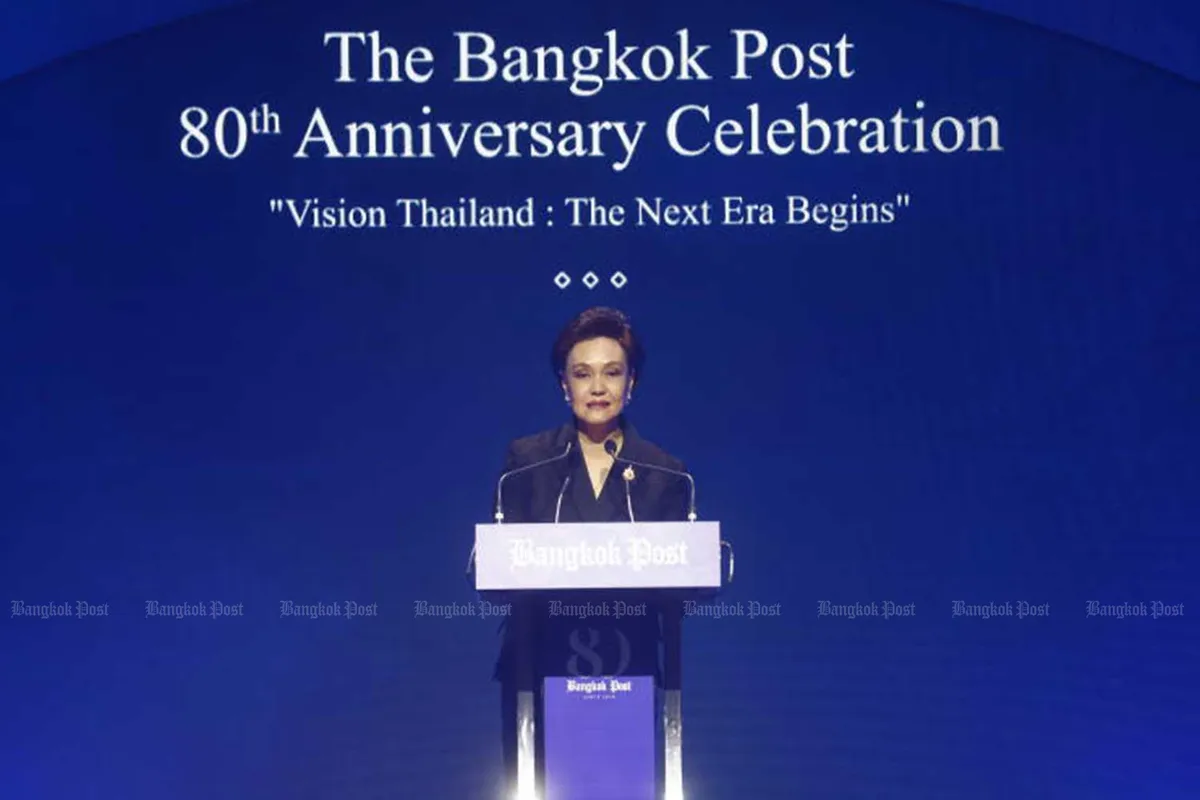
Thailand is charting a course for sustainable economic expansion by focusing on four critical strategic pillars, according to Deputy Prime Minister and Commerce Minister Suphajee Suthumpun. These initiatives are designed to navigate the complex landscape of global trade, which is currently characterized by geopolitical tensions, rapid technological advancements, increasing trade barriers, and dynamic shifts in international supply chains.
Navigating Global Uncertainty Through Adaptive Trade Policy
The Deputy Prime Minister emphasized that Thailand’s trade policy must be agile and responsive to the evolving global environment. In an era marked by unpredictability, a rigid approach to trade is no longer viable. Instead, policies need to be flexible, allowing the nation to pivot quickly in response to changing international dynamics. This adaptability is crucial for maintaining competitiveness and seizing new opportunities as they arise.
The current global climate presents a multifaceted challenge. Geopolitical conflicts can disrupt established trade routes and create new economic blocs, while technological innovation, though a driver of progress, also necessitates constant adaptation in industries and skill sets. Furthermore, protectionist tendencies and the erection of trade barriers by various nations can impede the free flow of goods and services, requiring strategic adjustments to market access and trade agreements. The ongoing reconfiguration of global supply chains, driven by factors like resilience and diversification, also demands a proactive stance from Thailand to remain an attractive partner and production hub.
The Four Pillars for Sustainable Growth
While specific details of each ‘unlock’ were not fully elaborated, the overarching strategy aims to foster an environment where Thai businesses can thrive despite external volatilities. The focus is on building resilience, enhancing competitiveness, and ensuring that growth is inclusive and environmentally responsible.
Pillar 1: Enhancing Trade Competitiveness
This pillar likely involves measures to boost the efficiency and innovation of Thai industries. It could include supporting research and development, promoting the adoption of new technologies, and improving the quality and standards of Thai products and services to meet international demands. Streamlining customs procedures and reducing non-tariff barriers are also probable components, making it easier for Thai businesses to export and for foreign businesses to import from Thailand.
Pillar 2: Diversifying Trade Partners and Markets
In light of shifting global alliances and the risks associated with over-reliance on a few key markets, diversification is a critical strategy. This involves actively seeking new trade agreements with emerging economies and strengthening ties with existing partners in different regions. Exploring new export destinations and understanding the unique demands of these markets will be essential. This approach mitigates risks associated with economic downturns or political instability in any single region.
Pillar 3: Strengthening Supply Chain Resilience
The global pandemic and geopolitical events have highlighted the vulnerabilities of complex, just-in-time supply chains. This pillar focuses on building more robust and flexible supply networks. Strategies may include encouraging domestic production of critical components, fostering regional supply chain integration, and developing contingency plans for disruptions. Building stronger relationships with a wider range of suppliers and logistics providers can also enhance resilience.
Pillar 4: Promoting Sustainable and Inclusive Growth
Beyond economic metrics, sustainable growth implies a commitment to environmental protection and social equity. This pillar would encompass initiatives promoting green industries, circular economy principles, and responsible resource management. It also suggests a focus on ensuring that economic benefits are shared broadly across society, addressing income inequality, and investing in human capital through education and skills development. This ensures long-term prosperity and social stability.
Adapting to a New Global Economic Order
The Deputy Prime Minister’s announcement underscores a forward-thinking approach to economic management. By proactively addressing the challenges posed by global uncertainty and implementing these four strategic ‘unlocks,’ Thailand aims to secure a path toward sustained and resilient economic growth. The emphasis on adaptability, diversification, resilience, and sustainability signals a commitment to not just weathering current storms but also building a stronger, more competitive economy for the future.
The success of these strategies will depend on effective implementation, collaboration between government and the private sector, and the ability to continuously monitor and adjust policies in response to the ever-changing global economic landscape. Thailand’s proactive stance positions it to capitalize on opportunities and mitigate risks in the complex world of international trade.
