

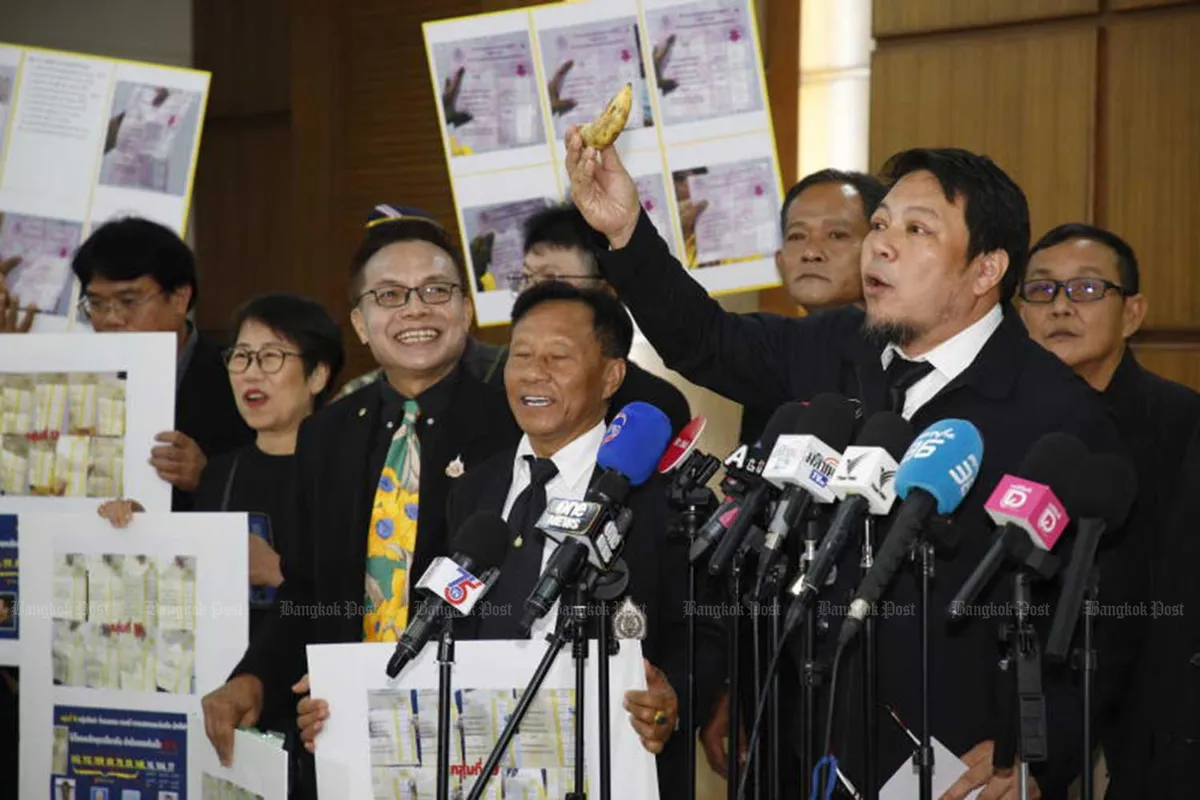
The Election Commission (EC) is facing increasing pressure to act decisively on a significant fraud case related to the 2024 Senate elections. A coalition of civic groups, a bloc of reserve senators, and a former Member of Parliament have collectively called on the electoral body to expedite the legal process, urging that the case, which allegedly implicates 229 individuals, be forwarded to the courts without further delay.
Background of the 2024 Senate Elections
The 2024 Senate elections were a critical juncture, designed to select new members for the upper house of parliament. These elections are often complex, involving multiple stages and a wide range of candidates. The integrity of the process is paramount to maintaining public trust in democratic institutions. However, allegations of irregularities and fraud can cast a shadow over the outcomes and lead to significant legal and political challenges.
The Allegations and the Scale of the Case
The core of the current controversy lies in a specific fraud case stemming from these elections. Reports indicate that the alleged fraudulent activities involve a substantial number of individuals, reportedly numbering 229. The precise nature of the alleged fraud has not been fully detailed in public statements, but such cases typically involve violations of election law, including vote manipulation, impersonation, or other forms of deception aimed at unfairly influencing the election results. The sheer number of alleged perpetrators underscores the seriousness and potential scope of the issue.
Calls for Swift Action from Stakeholders
Several key stakeholders have voiced their concerns and are actively pushing for a prompt resolution. A civic network, often acting as a watchdog for electoral integrity, has been vocal in demanding transparency and accountability. Their involvement highlights a broader public interest in ensuring that election laws are upheld and that any breaches are addressed appropriately.
Furthermore, a group of reserve senators has joined the chorus, adding a layer of political weight to the demands. Reserve senators, often experienced individuals with a vested interest in the functioning of the legislative process, are likely concerned about the precedent set by any mishnandling of such a case. Their participation signals a high-level awareness and concern within the senatorial ranks.
Adding to the pressure is a former Member of Parliament, whose experience in the political arena lends credibility to the calls for decisive action. Former MPs often retain a keen understanding of the electoral system and the potential ramifications of unresolved fraud allegations.
The unified stance of these diverse groups—civic advocates, current senators, and former legislators—emphasizes the widespread concern regarding the EC’s handling of the matter. Their collective plea is clear: the evidence should be presented to the judiciary for adjudication.
The Election Commission’s Role and Responsibilities
The Election Commission is the constitutional body tasked with overseeing all elections in the country, ensuring they are conducted fairly, transparently, and in accordance with the law. This includes investigating allegations of electoral malpractice and, where warranted, initiating legal proceedings. The EC’s mandate is crucial for safeguarding the democratic process and maintaining public confidence.
When faced with allegations of significant fraud, the EC is expected to conduct thorough investigations, gather evidence, and make determinations based on the facts. If sufficient evidence of wrongdoing is found, the next logical step is to refer the case to the appropriate judicial authorities for prosecution. Delays in this process can lead to accusations of inaction, bias, or even complicity, eroding trust in the institution.
Potential Implications of Delay
The continued delay in processing the 2024 Senate election fraud case carries several potential implications:
- Erosion of Public Trust: Prolonged inaction can lead the public to question the EC’s commitment to upholding electoral integrity, potentially diminishing faith in future elections.
- Undermining Rule of Law: Failure to address alleged violations promptly could be perceived as undermining the rule of law, suggesting that certain individuals or actions may escape accountability.
- Political Instability: Depending on the individuals involved and the nature of the allegations, unresolved election disputes can sometimes contribute to political instability or public unrest.
- Precedent Setting: The EC’s response to this case could set a precedent for how future allegations of electoral fraud are handled, influencing the behavior of candidates and parties.
Moving Forward: The Path to Resolution
The path forward requires the Election Commission to demonstrate its commitment to its constitutional duties. The calls from the civic network, reserve senators, and the former MP highlight the urgent need for the EC to:
- Conduct a Thorough and Impartial Investigation: Ensure that all evidence related to the alleged fraud involving the 229 individuals is meticulously examined.
- Make a Timely Decision: Based on the investigation, decide whether to prosecute the alleged offenders.
- Refer the Case to Court: If sufficient grounds exist, formally submit the case to the judicial system for trial without undue delay.
- Communicate Transparently: Keep the public informed about the progress of the investigation and the rationale behind the EC’s decisions, within the bounds of legal procedure.
The integrity of the electoral process is a cornerstone of any democratic society. The Election Commission’s prompt and decisive action on this significant fraud case is crucial for reinforcing public confidence and upholding the principles of fair and just elections.
