

Bangkok districts are set to report on Friday regarding an ongoing investigation into a sophisticated scheme involving fraudulent household registrations used by foreign nationals to illegally obtain pink identification cards. The Bangkok Metropolitan Administration (BMA) has uncovered several methods employed in this alleged operation, according to Bangkok Governor Chadchart Sittipunt. These tactics reportedly include utilizing birth certificates of foreign children who were born in Thailand but subsequently left the country, transferring names from central registration databases into standard household records, and establishing networks involving fabricated familial relationships, such as ‘fake children’ and ‘fake fathers’.
Unusual Registration Patterns Emerge
The most significant discrepancies have been identified in the Din Daeng district. Investigators uncovered a single residential property, measuring approximately 40 square meters, with an astonishing 40 to 45 individuals registered as occupants. A broader review of registration data for the district revealed an unusually high number of inward registrations, exceeding 2,000 instances within 2024 alone. This pattern suggests a systematic exploitation of the household registration system.
In response to these findings, Governor Chadchart announced that four administrative officials implicated in the case have been suspended pending the outcome of the investigation. The BMA has also initiated a comprehensive review of registration records stretching back to 2017. Furthermore, the administration is collaborating with the Royal Thai Police to meticulously trace potential financial connections between individuals acting as brokers and state officials who may have facilitated the scheme.
Commitment to Full Investigation
Governor Chadchart emphasized the administration’s resolve to uncover the full extent of the irregularities. “If the retrospective investigation finds links to senior executives or even retired officials, the BMA will pursue the matter to the fullest extent,” he stated. “We are preparing to establish a committee to investigate this issue.”
Addressing reports that the number of suspicious registrations could be as high as 3,000, the governor clarified that this figure might be distributed across numerous properties. To manage the review process effectively, authorities plan to initially focus on properties with 15 or more registered residents. The threshold will then be lowered, and random checks will be conducted to ensure the thoroughness of the review and identify all instances of abuse.
Nationwide Scope and Recent Arrests
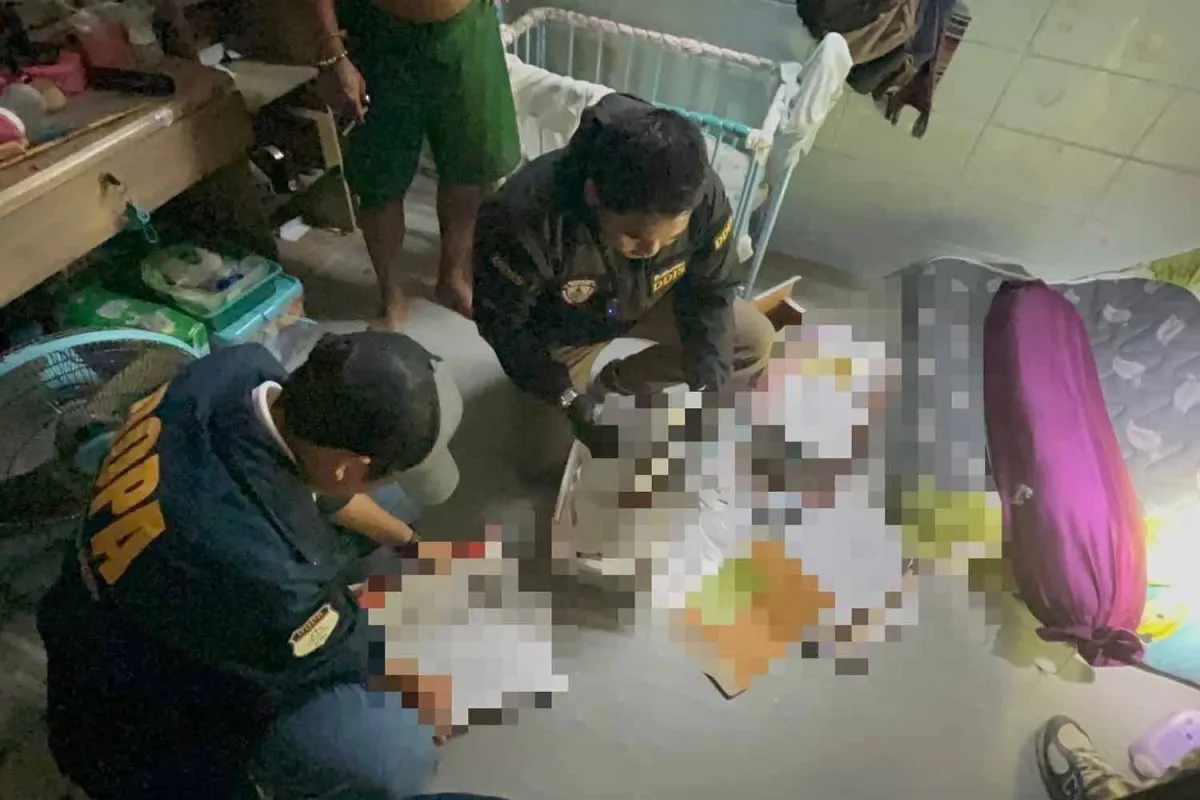
This development follows the recent arrest of seven individuals, including district officials, earlier in the week. These arrests were linked to an alleged scheme involving the registration of over 1,400 migrant children at addresses within the Din Daeng area. The investigation has since been broadened to a nationwide scope, aiming to address suspected abuses related to both the fraudulent pink card registrations and the ‘fake-father’ birth registration schemes.
Preventative Measures and Systemic Reforms
To prevent the recurrence of such fraudulent activities, the BMA is implementing significant reforms to tighten oversight of the household registration process. A key change involves dismantling the existing system where a single official could unilaterally approve applications. Moving forward, responsibility for approving applications will be shared between district directors and department heads. Additionally, registration officers will be subject to regular rotation to mitigate the risks associated with corruption and the potential for entrenched illicit networks.
The pink identification card, officially known as the ‘Nam-Tob-Sa-Noh’ card, is typically issued to individuals who do not possess Thai nationality but have resided in the country for a significant period. It grants holders certain rights and access to services, making it a target for exploitation by those seeking to circumvent immigration laws and gain unauthorized benefits. The investigation aims to restore integrity to this vital administrative process.
The BMA’s proactive stance and commitment to transparency in addressing this complex issue underscore the importance of maintaining accurate and secure public records. The ongoing efforts to identify and prosecute those involved, coupled with systemic reforms, are crucial steps in safeguarding the integrity of Thailand’s registration systems and ensuring that identification documents are issued legitimately.
