

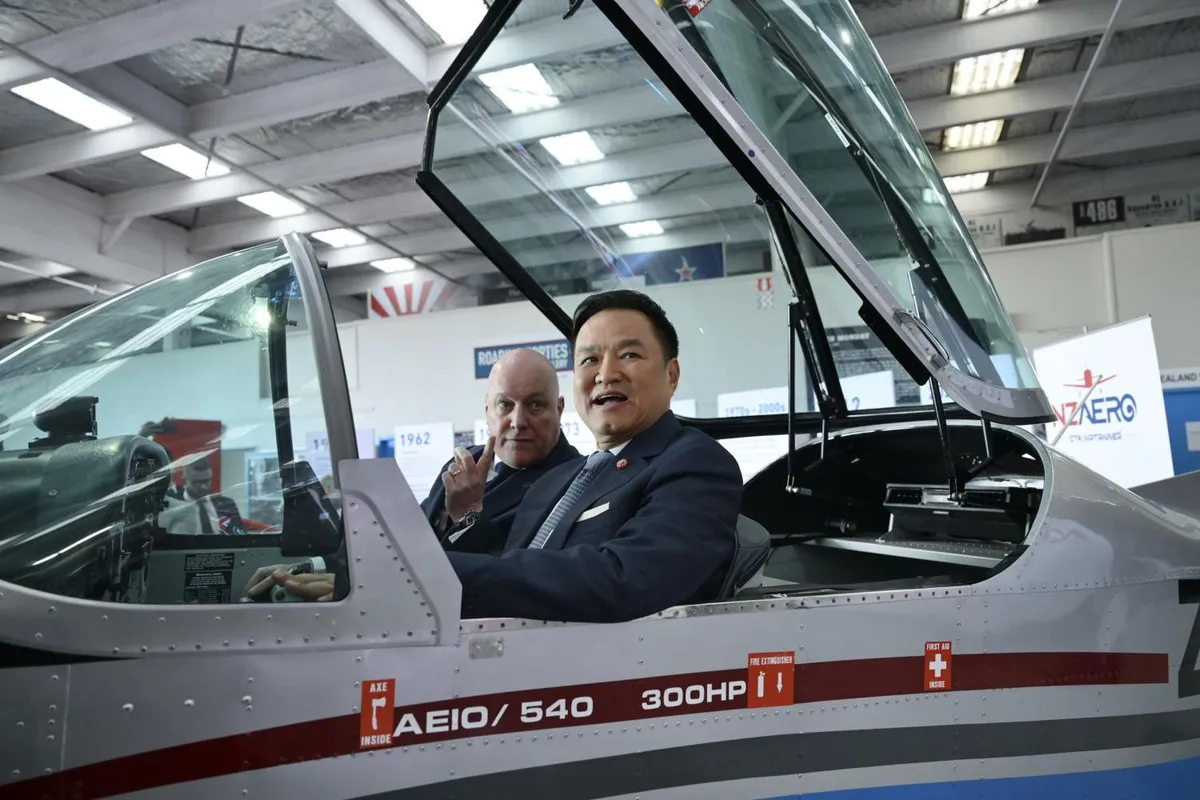
Prime Minister Anutin Charnvirakul has committed to enhancing the investment climate for Japanese companies and re-evaluating electric vehicle (EV) incentives. This strategic move aims to ensure equitable treatment for manufacturers globally, addressing growing regional competition for automotive sector investments. The Prime Minister’s office stated that the government recognizes the dynamic nature of the automotive industry and the critical role of fair and attractive incentive packages in securing long-term investment.
Boosting Investment Conditions for Japanese Businesses
During recent discussions, Prime Minister Charnvirakul emphasized a dedication to improving the overall business environment for Japanese investors. This includes streamlining regulatory processes, offering greater support, and fostering a more predictable operational framework. The goal is to solidify existing partnerships and encourage further expansion of Japanese businesses within the country. Specific areas of focus are expected to include tax policies, infrastructure development, and access to skilled labor, all tailored to meet the needs of international investors.
Review of Electric Vehicle (EV) Incentives
A significant aspect of the Prime Minister’s pledge involves a thorough review of the current electric vehicle (EV) incentive schemes. The objective is to create a level playing field, ensuring that manufacturers from all nations have an equal opportunity to benefit from government support. This review is particularly timely given the global shift towards electrification and the intense competition among countries to become regional hubs for EV production. The government aims to design incentives that are not only competitive but also sustainable and aligned with national environmental goals.
Key Considerations for EV Incentive Reform
- Fairness and Equity: Ensuring that incentives are accessible to all manufacturers, regardless of their country of origin, to foster a truly competitive market.
- Long-Term Viability: Designing incentive structures that support sustained investment and production, rather than short-term gains.
- Technological Advancement: Encouraging the adoption of cutting-edge EV technologies and promoting research and development within the country.
- Supply Chain Development: Supporting the growth of local EV component manufacturing and related industries to build a robust domestic supply chain.
- Environmental Impact: Aligning incentive programs with national targets for reducing carbon emissions and promoting sustainable transportation.
Addressing Regional Competition
The Prime Minister acknowledged the intensifying regional competition for automotive investment. Neighboring countries are actively vying for positions as leading EV manufacturing bases, often through aggressive incentive packages and strategic industrial policies. In response, the government is keen to develop a compelling value proposition that highlights the country’s unique strengths, such as its strategic location, skilled workforce, and established manufacturing infrastructure. The review of EV incentives is a direct response to this competitive landscape, aiming to ensure that the nation remains an attractive destination for automotive manufacturers looking to establish or expand their operations in the region.
Fostering a Pro-Investment Climate
Beyond specific incentives, the administration is committed to cultivating a broader pro-investment climate. This involves continuous dialogue with industry stakeholders, both domestic and international, to understand their evolving needs and challenges. The government seeks to be a proactive partner, working collaboratively to remove obstacles and create an environment where businesses can thrive. This includes investing in infrastructure, enhancing workforce training programs, and ensuring policy stability and transparency. The Prime Minister’s commitment signals a clear intention to position the country as a premier destination for automotive manufacturing, particularly in the rapidly growing EV sector.
Conclusion
Prime Minister Anutin Charnvirakul’s pledge to refine EV incentives and improve investment conditions underscores a strategic focus on securing and expanding automotive manufacturing. By prioritizing fairness, competitiveness, and long-term sustainability, the government aims to navigate the complex regional landscape and attract significant investment, particularly in the burgeoning electric vehicle market. This proactive approach is designed to bolster the national economy and solidify its position as a key player in the global automotive industry.
