

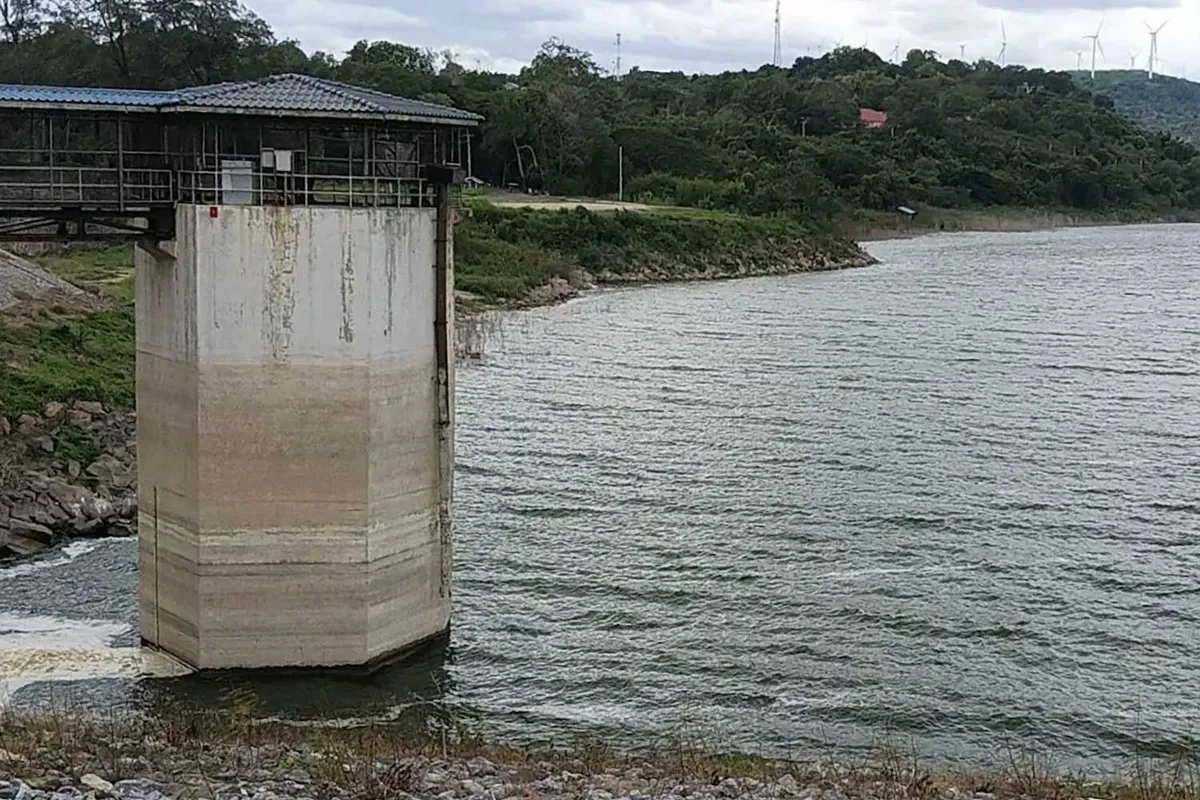
Thailand is facing a dual weather challenge as a prolonged dry spell threatens water security in the Northeast, while the southern region braces for potential flooding. These contrasting weather patterns are being linked to the anticipated arrival of a “super El Niño” phenomenon, which is expected to significantly impact regional climate conditions.
Northeast Grapples with Drought Conditions
In Nakhon Ratchasima province, a key agricultural hub in the Northeast, residents and authorities are observing a concerning reduction in water levels. The extended period without substantial rainfall has led to depleted reservoirs and dwindling river flows, raising alarms about potential water shortages. This situation is particularly worrying given the region’s heavy reliance on agriculture, which is highly sensitive to water availability. Farmers are already expressing concerns about crop yields and the long-term viability of their livelihoods if the dry spell persists.
Local officials are monitoring the situation closely, assessing the capacity of existing water storage facilities and exploring contingency plans. The reduction in water supply could impact not only irrigation for crops but also daily water consumption for communities. The implications extend to the broader economy of the Northeast, where water is a critical resource for both agricultural output and industrial activities.
The Role of El Niño
Meteorologists and climate scientists point to the developing El Niño event as a primary driver behind the unusual weather patterns. El Niño, characterized by warmer-than-average sea surface temperatures in the central and eastern tropical Pacific Ocean, often disrupts global weather systems. In Southeast Asia, its influence typically manifests as reduced rainfall and increased temperatures, leading to drought conditions in many areas.
The current forecast suggests a particularly strong El Niño, sometimes referred to as a “super El Niño,” which could exacerbate these effects. Such intensified events have historically been associated with more severe and prolonged droughts, posing significant challenges to water management and disaster preparedness.
Southern Provinces on Alert for Flooding
Conversely, while the Northeast experiences arid conditions, the southern provinces are preparing for the opposite extreme: flooding. Songkhla province, located in the lower South, is among those on high alert. This region is typically more accustomed to heavy rainfall, especially during monsoon seasons, but the specific patterns associated with the incoming El Niño could increase the intensity and frequency of severe weather events.
Authorities in the South are issuing advisories and coordinating with local communities to mitigate the risks associated with potential inundation. This includes clearing drainage systems, reinforcing flood defenses, and preparing evacuation plans for low-lying areas. The focus is on ensuring the safety of residents and minimizing damage to infrastructure and property.
Understanding Contrasting Impacts
The phenomenon of El Niño can lead to geographically diverse impacts, even within the same country. While it often suppresses rainfall across much of Southeast Asia, leading to drought, it can also alter atmospheric circulation patterns in ways that might intensify rainfall in specific localized areas or during particular periods. The specific trajectory and strength of the El Niño event, combined with local geographical factors and the prevailing monsoon patterns, determine whether a region experiences drought or floods.
In the case of Thailand, the Northeast’s arid conditions and the South’s flood preparedness highlight the complex and sometimes contradictory nature of El Niño’s influence. This underscores the importance of region-specific climate monitoring and tailored disaster management strategies.
National Preparedness and Outlook
The Thai government and relevant agencies are actively monitoring both the drought situation in the Northeast and the flood risks in the South. Efforts are underway to manage water resources effectively, including optimizing the use of existing dams and reservoirs and implementing water conservation measures. In flood-prone areas, early warning systems are being enhanced, and emergency response teams are on standby.
The outlook suggests that these weather conditions may persist for several months, necessitating sustained vigilance and adaptive strategies. The agricultural sector, in particular, will require support to navigate potential crop losses and adapt planting schedules where possible. Public awareness campaigns are also crucial to ensure that communities are informed about the risks and know how to respond to official guidance during extreme weather events.
As the nation navigates the challenges posed by the anticipated “super El Niño,” a coordinated and proactive approach to water resource management and disaster preparedness will be essential to safeguard communities and economic stability across different regions of Thailand.
