

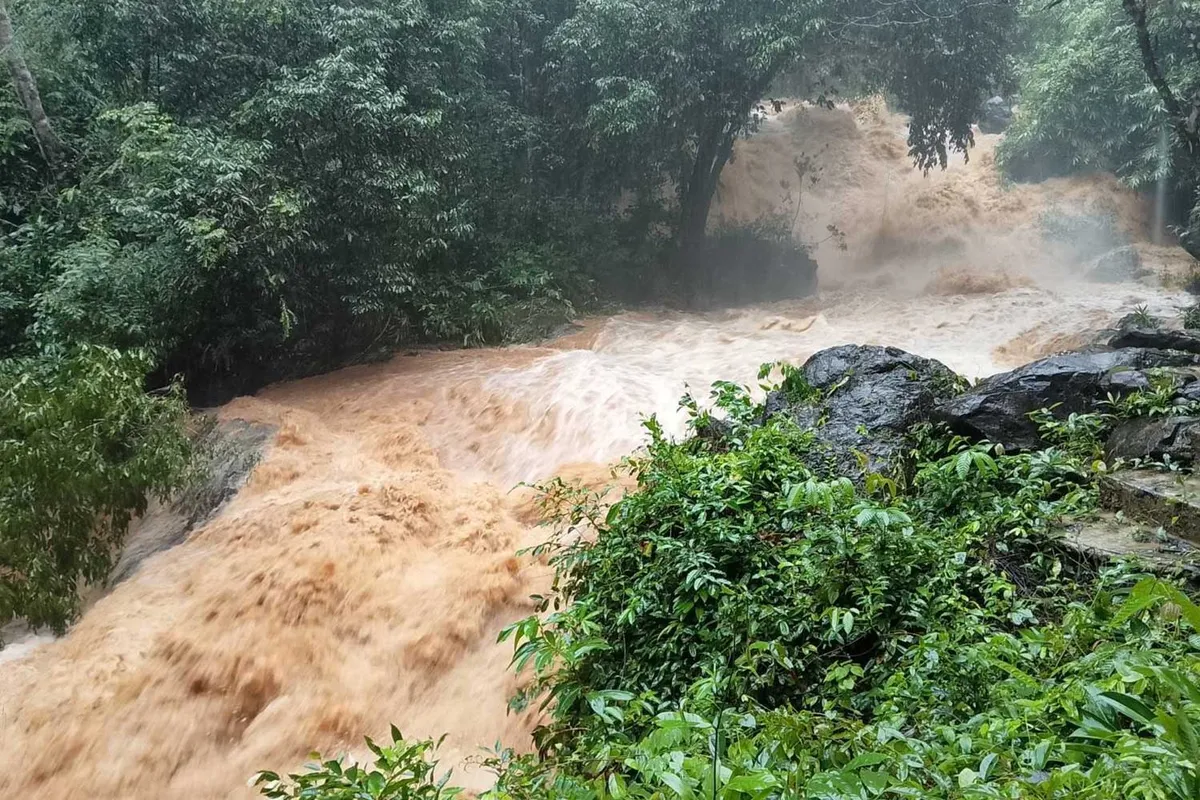
Thailand is anticipating a significant increase in rainfall across most of the country over the next four days, according to meteorological forecasts. The Department of Meteorology has issued warnings for potential flash floods, overflowing rivers, and landslides, urging residents in vulnerable areas to take precautions.
Monsoon Trough and Southwest Monsoon Driving Rainfall
The heightened precipitation is attributed to a combination of weather systems. A monsoon trough is expected to extend over the northern and upper northeastern regions of Thailand. Concurrently, a rather strong southwest monsoon will be active over the Andaman Sea, the entirety of Thailand, and the Gulf of Thailand. This dual influence is predicted to bring widespread rain, with some areas likely to experience heavy downpours.
Areas at Risk for Flooding and Landslides
Officials have specifically highlighted the risks associated with the anticipated rainfall. Flash floods, river overflows, and landslides are considered possible, particularly in areas situated near waterways, foothills, and low-lying regions. These geographical features are more susceptible to the rapid accumulation of water and the destabilization of soil during periods of intense rain.
Residents living in these at-risk zones are advised to monitor weather updates closely and prepare for potential disruptions. Emergency services are reportedly on alert to respond to any incidents that may arise from the adverse weather conditions.
Maritime Warnings Issued for Andaman Sea
The maritime sector, especially along the Andaman Sea coast, faces considerable risks. Small boats have been strongly advised to remain ashore, particularly in the upper parts of the Andaman Sea. Wave heights are forecast to reach two to three metres, with the potential to surge to over three metres during thundershowers. This poses a significant danger to smaller vessels and those operating in coastal waters.
Fishermen and all maritime operators are urged to exercise extreme caution and heed all advisories issued by the authorities. The rough sea conditions could also impact larger vessels, though the primary concern is for smaller craft that are more vulnerable to high waves and strong winds.
Broader Weather Outlook
This period of heavy rainfall is part of a larger weather pattern influenced by the changing monsoon seasons. The southwest monsoon typically brings the rainy season to much of Thailand, and its current strength indicates a potentially active period ahead. While rain is essential for agriculture and water resources, the intensity and duration of these upcoming showers necessitate preparedness to mitigate negative impacts.
The meteorological department will continue to monitor the situation closely and provide updated forecasts. Citizens are encouraged to stay informed through official channels and take necessary safety measures to protect themselves and their property.
Preparing for Heavy Rainfall
To prepare for the forecasted heavy rainfall and potential hazards, individuals and communities can take several steps:
- Stay Informed: Regularly check weather forecasts and official warnings from the meteorological department.
- Secure Property: Ensure that homes and businesses are secure, particularly those in flood-prone areas. Clear gutters and drainage systems to prevent blockages.
- Emergency Kits: Prepare an emergency kit with essential supplies such as water, non-perishable food, a first-aid kit, flashlights, and batteries.
- Travel Safely: If travel is necessary, be aware of road conditions. Avoid driving or walking through flooded areas, as water depth and currents can be deceptive and dangerous.
- Coastal Awareness: For those living or working near the coast, be mindful of sea conditions and adhere strictly to maritime advisories.
Conclusion
The upcoming four days present a significant weather challenge for Thailand, with widespread heavy rainfall expected. The combined effects of a monsoon trough and a strong southwest monsoon necessitate vigilance, particularly concerning flash floods, landslides, and rough seas. By staying informed and taking appropriate precautions, residents can better navigate the potential risks associated with this period of intense weather.
