

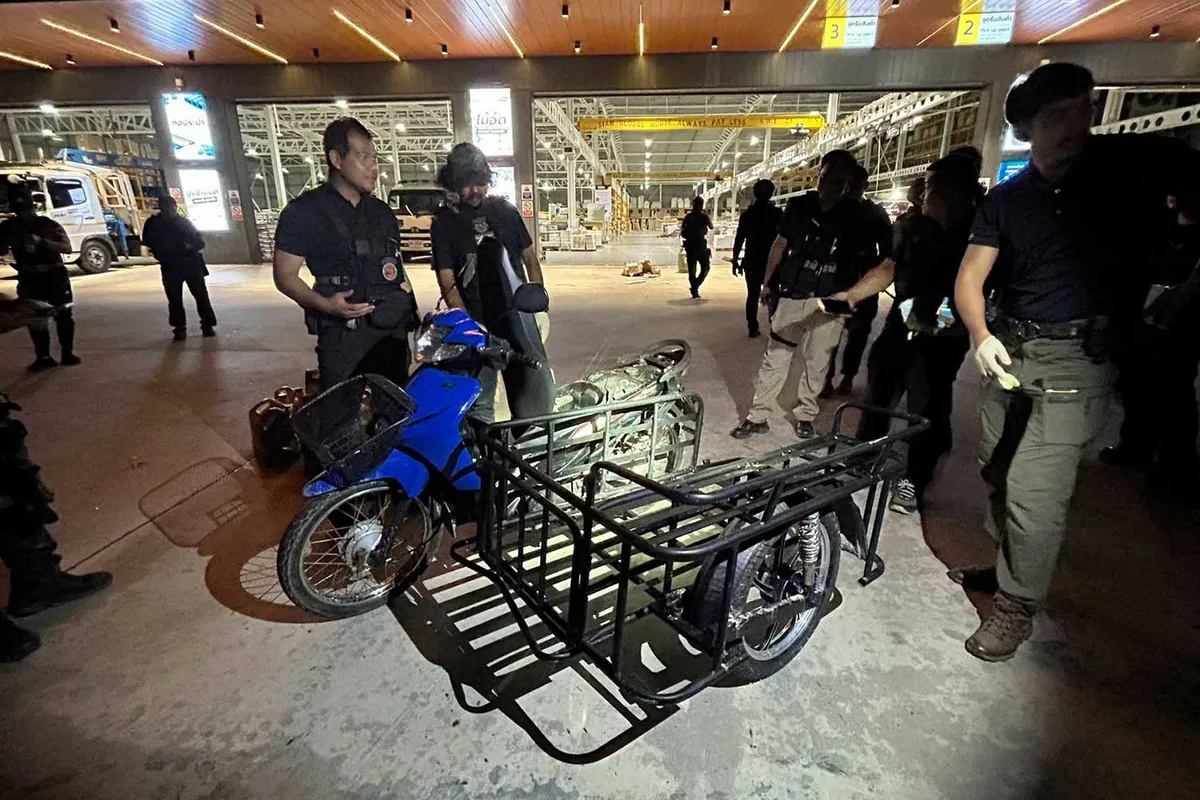
Prime Minister Srettha Thavisin has suggested that the recent surge in violence in Thailand’s southern provinces is a direct consequence of intensified law enforcement operations. He explained that this heightened security presence, aimed at curbing ongoing unrest, has paradoxically led to a more active response from those perpetrating the violence. This period of increased activity, he noted, is a transitional phase as security forces ramp up their efforts.
The Prime Minister made these remarks in Bangkok while addressing inquiries about a recent bomb attack targeting a Global House department store in Pattani on Saturday night. He indicated that he had recently communicated with officials from the National Security Council, emphasizing the need for a proactive and robust stance against the persistent violence plaguing the southern regions, rather than a passive approach.
Understanding the Southern Insurgency
The southern border provinces of Thailand, encompassing Narathiwat, Pattani, Yala, and parts of Songkhla, have been the site of a long-standing separatist insurgency. This conflict, which escalated significantly in 2004, primarily involves state security forces and various insurgent groups seeking greater autonomy or independence. The violence has resulted in thousands of deaths and injuries over the years, impacting the daily lives of residents and posing a significant challenge to national security and stability.
The root causes of the conflict are complex and multifaceted, often cited as stemming from historical grievances, cultural and religious differences, and socio-economic disparities. Decades of perceived marginalization and a history of failed peace initiatives have contributed to the enduring nature of the violence. Efforts to resolve the conflict have included military operations, peace talks, and socio-economic development programs, with varying degrees of success.
Government Response and Strategy
The current administration’s strategy, as articulated by the Prime Minister, involves a more assertive law enforcement approach. This includes increased patrols, intelligence gathering, and a crackdown on suspected insurgent activities and their support networks. The objective is to disrupt the operational capacity of insurgent groups and restore order and security to the affected areas. However, as the Prime Minister acknowledged, such intensified operations can sometimes provoke retaliatory actions, leading to a cyclical pattern of violence.
The National Security Council plays a pivotal role in coordinating the government’s response, working closely with military, police, and civilian agencies. Their mandate includes not only security operations but also the development and implementation of policies aimed at addressing the underlying issues contributing to the conflict, such as poverty, lack of opportunity, and historical injustices. The challenge lies in balancing the need for security with the imperative to foster trust and reconciliation among the local population.
Public Perception and Survey Findings
A recent survey conducted by the National Institute of Development Administration (NIDA) has shed light on local perspectives regarding the ongoing violence. The poll, conducted via telephone with 1,100 respondents across the border provinces of Narathiwat, Pattani, and Yala between August 25th and 27th, sought to understand the public’s attribution of the causes behind the unrest.
The survey results indicate a diverse range of opinions among the local populace:
- Budget Allocation Issues: Approximately 35.73% of respondents believe that problems related to budget allocations are a primary driver of the violence. This suggests concerns about resource distribution and potential mismanagement or corruption affecting local development and services.
- Illicit Business Operators: A significant portion, 30.36%, pointed to illicit business operators who are reportedly frustrated by intensified clampdowns. This highlights the potential involvement of criminal networks and the impact of law enforcement efforts on their operations.
- Local Political Issues: Nearly 30% (29.64%) of those surveyed attributed the violence to local political issues. This could encompass a range of factors, including local power struggles, governance challenges, and unresolved political grievances.
These findings underscore the complexity of the situation, suggesting that the violence is not solely attributable to the separatist insurgency but is also influenced by economic, criminal, and political factors within the region. Understanding these diverse perspectives is crucial for developing effective and sustainable solutions.
The Path Forward: Balancing Security and Development
Addressing the ongoing violence in the southern provinces requires a comprehensive strategy that goes beyond immediate security measures. While intensified law enforcement is deemed necessary by the government to maintain order and deter attacks, it must be complemented by efforts to address the socio-economic and political grievances identified by the local population and highlighted in surveys.
Initiatives focused on equitable budget allocation, transparent governance, and sustainable economic development are essential. Furthermore, fostering dialogue and reconciliation between different communities and with the government can help build trust and create an environment conducive to lasting peace. The government faces the delicate task of navigating these complex issues, aiming to quell the violence while simultaneously working towards a more stable and prosperous future for the southern provinces.
