

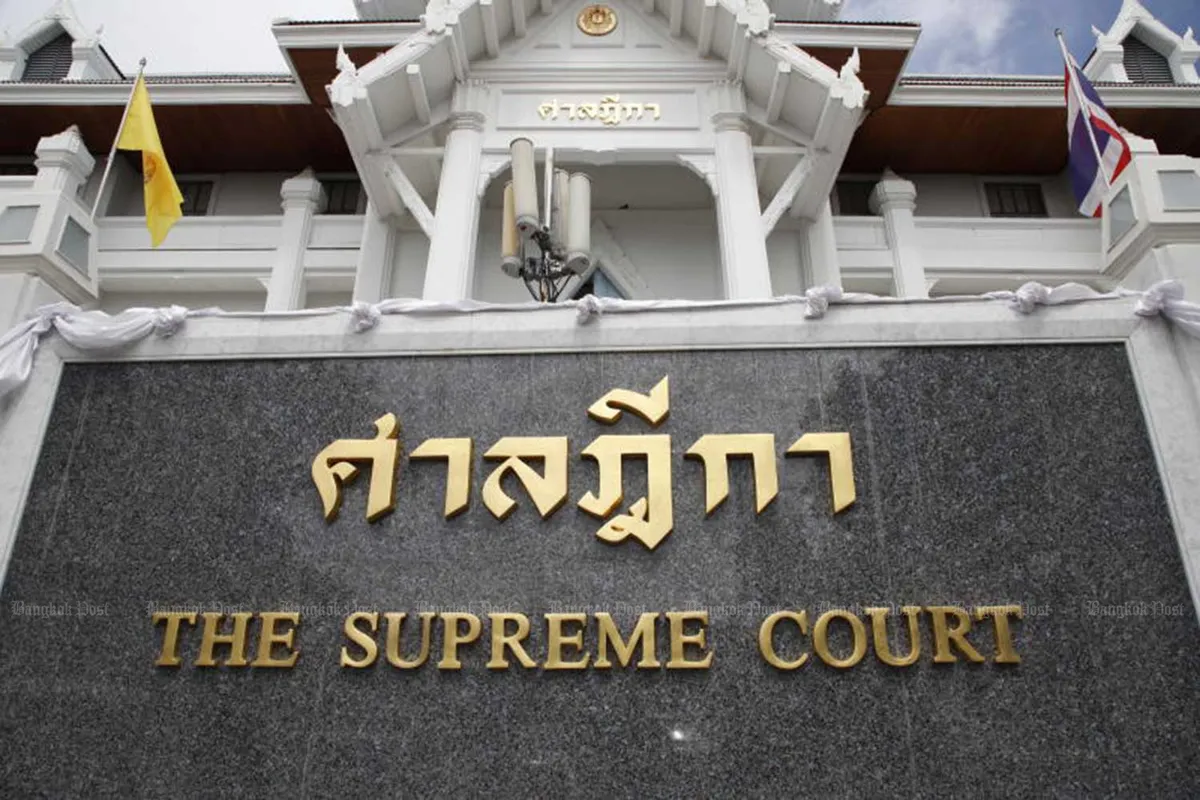
The Supreme Court of Thailand has mandated that the Royal Thai Police (RTP) must pay 4.38 million baht in compensation to Ritrong Cheunjit. This landmark ruling concludes a protracted 17-year legal struggle stemming from Mr. Cheunjit’s wrongful arrest and subsequent torture in 2009. The court’s decision marks a significant moment in the pursuit of justice for victims of police misconduct in Thailand.
The Genesis of a Long Legal Battle
The case originated over a decade ago when Ritrong Cheunjit was arrested under allegations that led to his detention and alleged mistreatment. Details surrounding the initial accusations and the specific circumstances of the arrest have been central to the lengthy legal proceedings. Mr. Cheunjit maintained his innocence and alleged that he was subjected to torture while in police custody, leading him to seek legal recourse against the authorities responsible.
His legal team initiated a lawsuit against the Royal Thai Police, seeking damages for the violation of his rights, the trauma endured, and the reputational harm caused by the false arrest. The journey through the Thai judicial system has been arduous, spanning multiple court levels and requiring extensive evidence presentation and legal arguments from both sides.
Key Legal Arguments and Court Findings
Throughout the 17-year litigation, the core of Mr. Cheunjit’s claim revolved around proving the illegality of his arrest and the veracity of his torture allegations. His legal representatives presented evidence aimed at demonstrating a lack of probable cause for the initial arrest and documented the physical and psychological suffering he experienced. This often involved medical reports, witness testimonies, and other forms of evidence to substantiate the claims of mistreatment.
Conversely, the Royal Thai Police, as the defendant, would have had the opportunity to present their defense, potentially challenging the evidence of wrongful arrest or the extent of the alleged torture. The legal process is designed to allow for thorough examination of facts and application of the law to ensure a just outcome.
The Supreme Court’s final verdict underscores the court’s finding that the arrest was indeed unlawful and that Mr. Cheunjit suffered undue harm. The substantial compensation amount reflects the gravity of the court’s assessment of the damages incurred by Mr. Cheunjit over the past 17 years.
Implications of the Supreme Court’s Ruling
The Supreme Court’s order for the Royal Thai Police to pay 4.38 million baht is significant for several reasons. Firstly, it provides a measure of financial restitution to Ritrong Cheunjit for the injustices he faced. This compensation aims to acknowledge the profound impact the wrongful arrest and alleged torture had on his life, encompassing potential loss of earnings, medical expenses, and profound emotional distress.
Secondly, the ruling serves as a critical statement on police accountability. By holding the RTP financially responsible, the highest court in Thailand is reinforcing the principle that law enforcement agencies must operate within the bounds of the law and respect the fundamental rights of citizens. This decision could set a precedent for future cases involving allegations of police misconduct, potentially encouraging more individuals to come forward and seek justice.
Furthermore, the protracted nature of the case—17 years—highlights systemic issues that can prolong legal battles for victims. While the final outcome is a victory for Mr. Cheunjit, the length of time taken to achieve this resolution raises questions about the efficiency of the justice system and the resources required for individuals to pursue such claims.
The Path Forward for Police Accountability
This case underscores the ongoing need for robust mechanisms to ensure police accountability and prevent abuses of power. Recommendations often include enhanced training for police officers on legal procedures and human rights, independent oversight bodies to investigate complaints of misconduct, and streamlined legal processes for victims seeking redress.
For Ritrong Cheunjit, the Supreme Court’s decision brings a long-awaited conclusion to a deeply personal and challenging ordeal. The payment of compensation represents a formal acknowledgment by the state of the wrongs committed against him. The case will likely be remembered as a significant legal battle for justice against wrongful arrest and torture in Thailand.
Conclusion
The Supreme Court’s order for the Royal Thai Police to pay 4.38 million baht to Ritrong Cheunjit concludes a 17-year legal battle over his wrongful arrest and torture in 2009. This ruling not only offers compensation to the victim but also reinforces the importance of police accountability and the rule of law in Thailand. While the legal process was lengthy, the final verdict serves as a crucial affirmation of justice for those who have experienced violations of their rights by law enforcement.
