

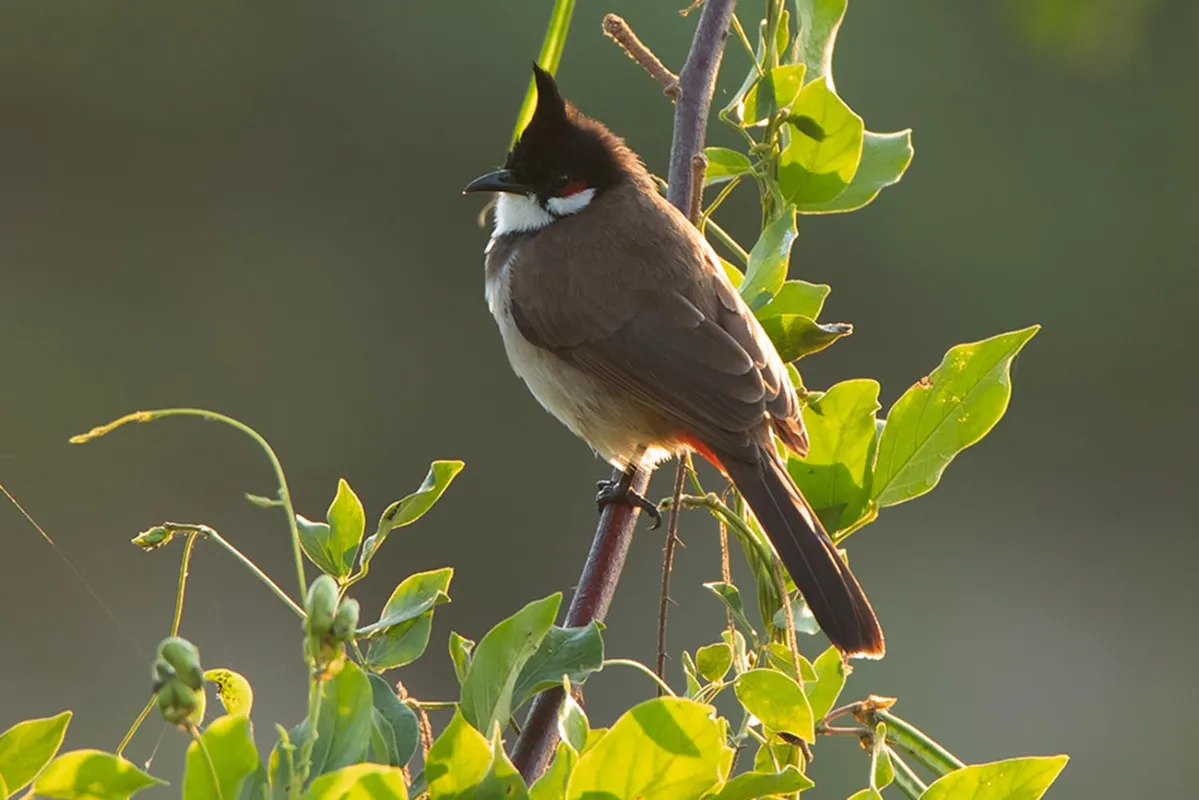
Thailand’s Minister of Natural Resources and Environment, Suchart Chomklin, has officially signed a new regulation that removes the red-whiskered bulbul, known locally as ‘nok krong hua juk’, from the country’s protected wildlife list. This significant policy shift eases the regulations surrounding the breeding and ownership of this popular bird species.
Background of the Red-Whiskered Bulbul in Thailand
The red-whiskered bulbul has long been a familiar sight and sound in Thailand, often kept as pets due to its distinctive song and relatively easy care. Historically, its inclusion on the protected wildlife list aimed to curb illegal capture from the wild and prevent potential population declines. This protection meant that breeding, selling, or possessing the birds required specific permits and adherence to strict guidelines, intended to ensure the species’ conservation.
Reasons for the Regulatory Change
While the exact details and public justifications for the policy reversal have not been extensively detailed, such changes in wildlife regulations often stem from a combination of factors. These can include:
- Perceived population stability: Authorities may have concluded that the red-whiskered bulbul population in the wild has recovered sufficiently or is robust enough not to require protected status.
- Demand from breeders and enthusiasts: A thriving community of bird breeders and pet owners may have lobbied for the deregulation, citing their ability to sustainably breed the birds in captivity.
- Focus on other conservation priorities: Government agencies sometimes re-evaluate their conservation efforts, shifting resources and focus to species deemed more critically endangered or facing more immediate threats.
- Economic considerations: The trade in birds, when regulated, can provide economic opportunities for breeders and sellers. Deregulation might be seen as a way to formalize or stimulate this sector.
Minister Chomklin’s decision signifies a move away from stringent controls towards a more permissive environment for those involved in the breeding and keeping of red-whiskered bulbuls.
Implications of the New Regulation
The easing of bulbul breeding rules has several potential implications:
For Bird Owners and Breeders
Individuals and businesses involved in breeding red-whiskered bulbuls are likely to find the process less burdensome. This could lead to an increase in the availability of captive-bred birds and potentially a wider variety of birds for enthusiasts. The reduced regulatory hurdles may also encourage more people to enter the breeding trade, provided they adhere to responsible practices.
For Wildlife Conservation Efforts
Conservationists often express concern when protected species are delisted, fearing it could inadvertently encourage poaching or unsustainable practices. However, the success of this deregulation will likely depend on continued monitoring and enforcement of any remaining animal welfare standards. The focus may now shift to ensuring that the birds sold are indeed captive-bred and that the wild populations are not negatively impacted by increased demand or a potential relaxation of vigilance against illegal trade.
Potential for Increased Trade
With fewer restrictions, the market for red-whiskered bulbuls could expand. This might benefit legitimate breeders and sellers but also raises the possibility of a resurgence in illegal capture if enforcement mechanisms are not adequately maintained. The government’s role will be crucial in balancing the interests of breeders and owners with the imperative of protecting wild fauna.
Looking Ahead: Responsible Breeding and Conservation
The delisting of the red-whiskered bulbul presents both opportunities and challenges. For the bird-keeping community, it offers greater freedom. For conservationists, it necessitates a renewed focus on monitoring wild populations and ensuring that captive breeding does not lead to unintended consequences for the species in its natural habitat. The effectiveness of this policy change will ultimately be measured by its impact on both the welfare of the birds and the health of their wild counterparts.
As the regulations ease, responsible breeding practices, ethical sourcing, and continued awareness about wildlife conservation will remain paramount to ensure the long-term viability of the red-whiskered bulbul population in Thailand.
