

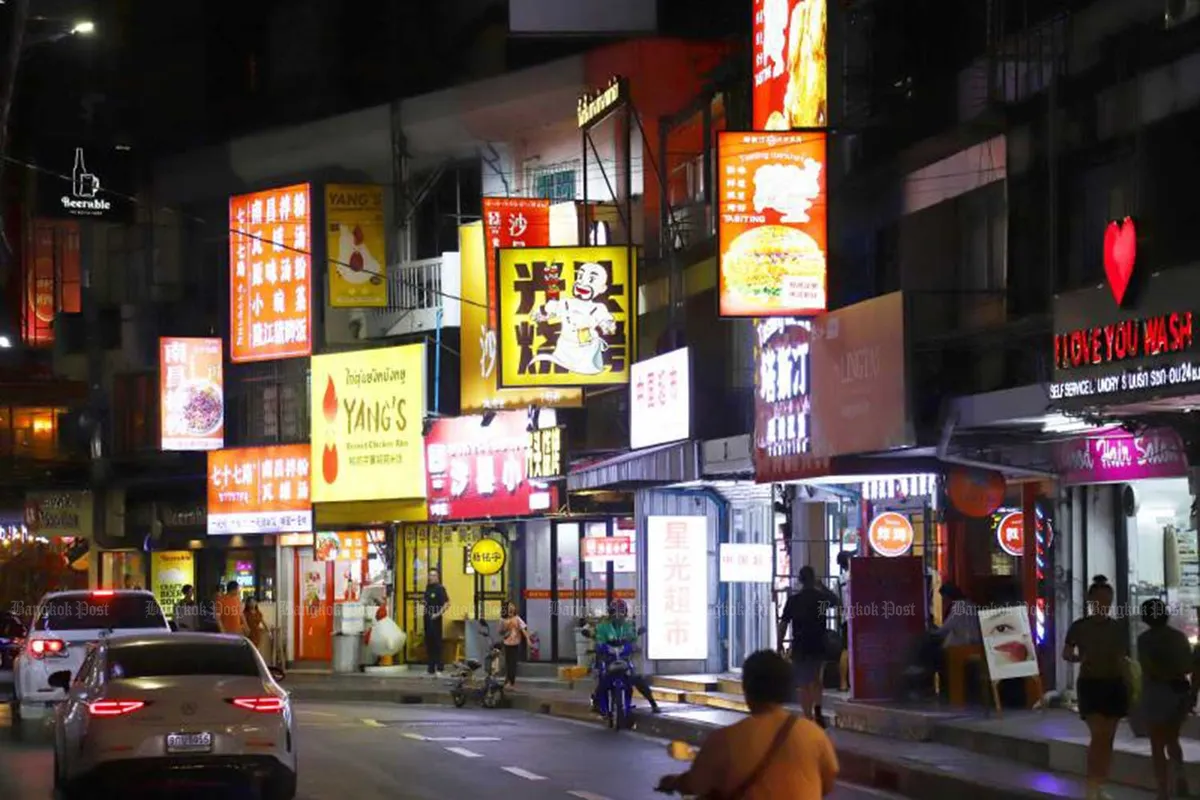
Authorities in Bangkok’s Huai Khwang district have initiated a comprehensive operation aimed at dismantling operations associated with ‘grey capital,’ a term describing illicit businesses often disguised as legitimate enterprises. The crackdown focuses on high-risk entertainment venues, the employment of undocumented workers, and suspected nominee businesses that facilitate these illegal activities. The primary objective is to restore public confidence in the district and disrupt the financial networks underpinning these shadowy operations.
Understanding ‘Grey Capital’ and its Impact
The term ‘grey capital’ refers to funds generated from or used for illegal activities that are then laundered or integrated into the legal economy. These operations often involve a complex web of shell companies, nominee directors, and front businesses to obscure the true source of wealth and ownership. Such activities can range from illegal gambling and prostitution to fraud and the exploitation of labor.
The presence of ‘grey capital’ networks can have several detrimental effects on a district like Huai Khwang, which is known for its vibrant nightlife and commercial activity. These include:
- Economic Distortion: Illicit businesses can undercut legitimate enterprises by operating without the same regulatory burdens or tax obligations, leading to unfair competition.
- Social Disruption: High-risk venues can attract criminal elements, potentially increasing crime rates and creating an environment of insecurity for residents and legitimate businesses.
- Corruption: The vast sums of money involved in grey capital operations can foster corruption among officials tasked with oversight and enforcement.
- Exploitation: Illegal workers, often trafficked or working under duress, are vulnerable to severe exploitation, including wage theft and unsafe working conditions.
Huai Khwang Police’s Strategic Approach
The Huai Khwang police department’s campaign is multi-faceted, addressing various components of the grey capital ecosystem. Their strategy involves:
Targeting High-Risk Entertainment Venues
Entertainment establishments are often focal points for grey capital due to their potential for high cash flow and association with illicit activities. Police are conducting thorough inspections and surveillance to identify venues operating outside legal parameters, such as those serving illegal substances, employing unlicensed staff, or engaging in activities that violate public order.
Combating Illegal Employment
The use of undocumented or illegal foreign workers is a common tactic employed by grey capital networks to reduce labor costs and avoid regulatory compliance. The police are actively working to identify and apprehend individuals working without proper permits and to investigate the employers who facilitate this illegal employment. This also involves efforts to combat human trafficking and labor exploitation.
Investigating Nominee Businesses
Nominee businesses, where individuals act as legal fronts for foreign owners or for illicit operations, are crucial for disguising the true beneficiaries of illegal enterprises. Authorities are scrutinizing business registrations, ownership structures, and financial transactions to uncover these hidden networks. This requires meticulous investigation into company records and beneficial ownership information.
Restoring Confidence and Ensuring Public Safety
Beyond enforcement, a key objective of this operation is to rebuild public trust and ensure the safety and well-being of the community. By demonstrating a commitment to tackling these complex criminal networks, the police aim to create a more secure environment for residents, tourists, and legitimate businesses operating within Huai Khwang.
The success of such operations hinges on sustained effort, inter-agency cooperation, and robust intelligence gathering. Authorities are likely collaborating with various government departments, including immigration, labor, and business registration agencies, to share information and coordinate enforcement actions. Public cooperation through reporting suspicious activities is also vital in identifying and dismantling these clandestine operations.
Broader Implications for Bangkok
The crackdown in Huai Khwang is indicative of a broader concern regarding the proliferation of grey capital networks across Bangkok and potentially other major urban centers. These networks often adapt quickly, moving their operations or changing their methods to evade detection. Therefore, continuous vigilance and adaptive strategies are essential for law enforcement agencies.
The long-term effectiveness of this campaign will depend on its ability to not only disrupt current operations but also to dismantle the underlying structures that enable grey capital to thrive. This includes addressing potential loopholes in regulations, strengthening enforcement mechanisms, and prosecuting individuals involved at all levels of these illicit enterprises. The ultimate goal is to foster an economic environment where legitimate businesses can flourish without the threat of unfair competition or criminal interference, thereby enhancing the overall appeal and safety of the district.
