

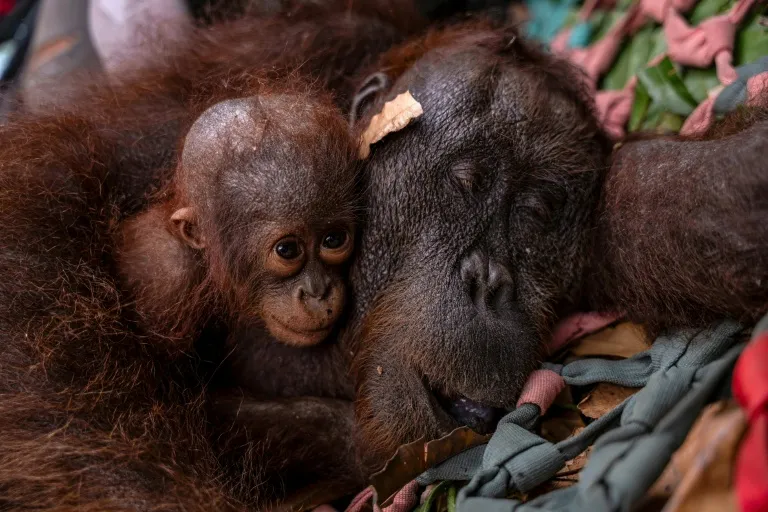
Two orangutans have been successfully rescued and relocated from a wildfire-threatened plantation area in West Kalimantan, Indonesia, highlighting the devastating impact of the ongoing blazes on wildlife. The evacuation, which took place on Thursday, was prompted by the rapid spread of fires near the great apes’ habitat. Both orangutans are currently under close veterinary observation at a rescue center managed by the wildlife foundation Yayasan Inisiasi Alam Rehabilitasi Indonesia (YIARI).
Wildfires Threaten Borneo and Sumatra Ecosystems
The Indonesian archipelago has been grappling with extensive wildfires for weeks, particularly across the islands of Borneo and Sumatra. These fires have generated thick smog, leading to significant air pollution that has extended beyond Indonesia’s borders, affecting neighboring countries such as Malaysia, Singapore, and the Philippines. The environmental crisis poses a severe threat not only to human health but also to the diverse wildlife that inhabits these regions, including the critically endangered orangutan.
Orangutan Rescue Operations Underway
The two orangutans recently rescued had been under observation since July after being initially spotted in a plantation adjacent to a forest in West Kalimantan. Authorities made the decision to move them to the YIARI rescue center as the fire encroached upon their natural environment. Preliminary health assessments by veterinarians have indicated that neither orangutan sustained any direct burn injuries. However, the long-term effects of smoke inhalation remain a significant concern.
The Dangers of Smoke Exposure for Orangutans
Veterinarians emphasize the critical danger that prolonged exposure to wildfire smoke poses to orangutans. “Exposure to smoke over a period of time… can affect the orangutan’s respiratory system, especially when smoke concentrations in the habitat are very high,” stated Komara, a veterinarian with YIARI. He further noted that the rescued individuals will continue to receive monitoring and care at the rehabilitation facility. This incident underscores the vulnerability of these intelligent primates to environmental disasters.
Broader Impact on Wildlife Evacuations
This latest rescue brings the total number of orangutans evacuated due to wildfire threats in the Ketapang district of West Kalimantan province to nine within the past month. Argitoe Ranting, YIARI’s operational director, commented on the broader implications of the fires. “This shows that fires not only destroy forests but also deprive animals of shelter and food,” Argitoe explained. He highlighted that for many animals, especially those unable to move quickly or find alternative safe havens, the fires leave them with “do not have many options” for survival.
Tragic Loss Amidst Rescue Efforts
The challenges faced in protecting wildlife during these fires were tragically underscored by the death of one orangutan last week. According to a statement from the West Kalimantan natural resources conservation agency, a necropsy performed on the deceased animal indicated that smoke exposure was the primary cause of death. This loss serves as a grim reminder of the severe consequences of habitat destruction and air pollution on endangered species.
Conservation Challenges and Future Outlook
The ongoing wildfires present a complex challenge for conservation efforts in Indonesia. Protecting orangutans and other wildlife requires not only direct rescue operations but also robust strategies for fire prevention and habitat restoration. The Indonesian government, in collaboration with environmental organizations, is working to combat the fires and mitigate their impact. However, the scale of the problem, often exacerbated by dry conditions and land-clearing practices, necessitates sustained international attention and support.
The rescue of these two orangutans offers a glimmer of hope amidst the environmental crisis. Their ongoing care and rehabilitation are crucial steps in ensuring their eventual return to a safe and restored habitat. The situation, however, remains critical, with the long-term survival of orangutans and countless other species dependent on effective wildfire management and conservation initiatives.
