

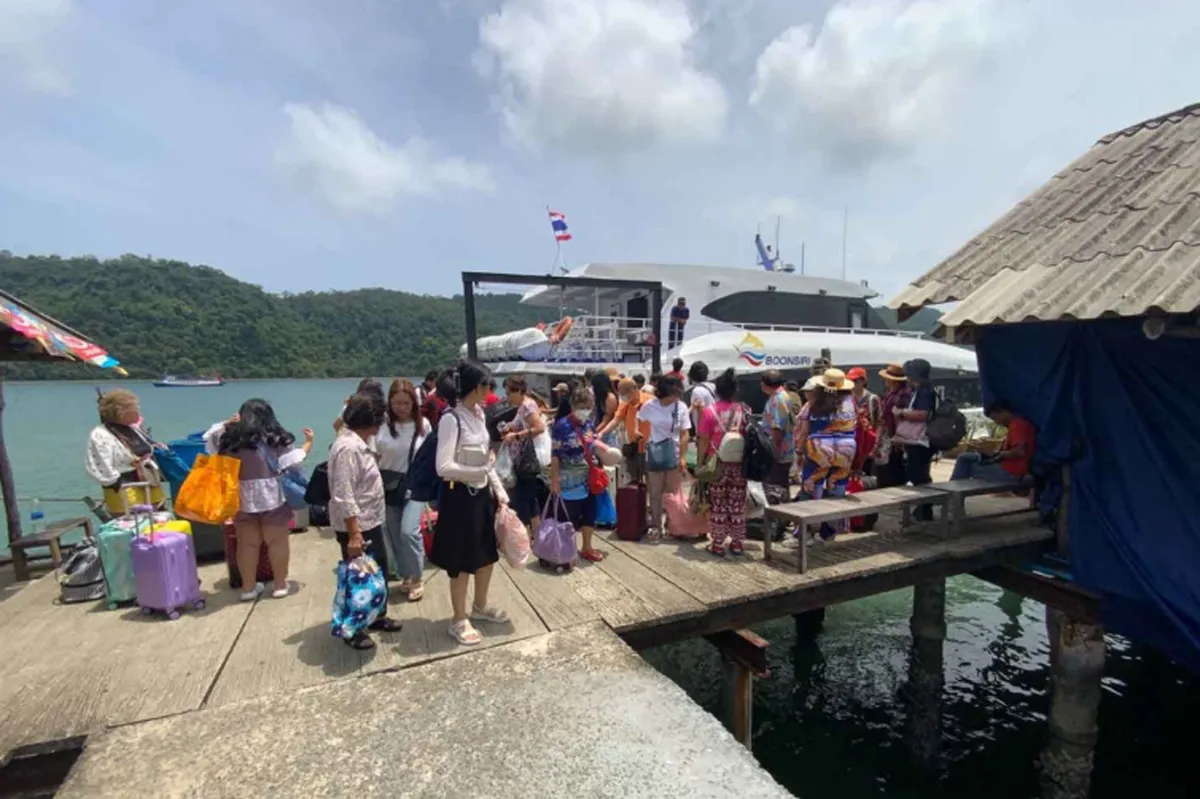
Thailand’s government is poised to present the “Thai Travel Plus” economic stimulus package to the cabinet for a crucial vote on September 22nd. This initiative, championed by the Ministry of Tourism and Sports, aims to inject a significant boost into the nation’s economy, with projections indicating it could generate approximately 20 billion baht in economic activity.
Understanding the “Thai Travel Plus” Initiative
The “Thai Travel Plus” scheme is designed as a multifaceted approach to revitalizing Thailand’s tourism sector and broader economy, which has faced considerable challenges. While specific details of the package are yet to be fully disclosed pending cabinet approval, its core objective is to stimulate domestic and potentially international travel, thereby encouraging spending across various industries.
The projected economic impact of 20 billion baht underscores the scale of the government’s ambition for this program. This figure suggests a comprehensive plan that likely involves incentives for travelers, support for tourism-related businesses, and promotional campaigns to attract visitors. The success of such a scheme hinges on its ability to effectively encourage spending and travel, creating a ripple effect throughout the economy.
Economic Context and Objectives
Thailand’s economy has been navigating a complex global landscape, with tourism historically serving as a vital engine for growth. The “Thai Travel Plus” initiative emerges within this context, aiming to harness the sector’s potential to drive recovery and foster sustainable economic development. By encouraging travel and associated spending, the government hopes to support businesses, create employment opportunities, and increase overall consumer confidence.
The tourism and sports minister’s statement highlights the government’s proactive stance in deploying economic tools to address current challenges. The 20 billion baht target is not merely a number but represents a tangible goal for economic activity that could translate into real-world benefits for businesses and individuals alike.
Potential Components of the Scheme
While official announcements will follow the cabinet’s decision, speculation about the package’s components often includes:
- Travel Subsidies: Offering discounts or rebates on flights, accommodation, or tour packages to make travel more affordable.
- Promotional Campaigns: Targeted marketing efforts to highlight Thailand’s attractions and encourage bookings.
- Support for Businesses: Measures to assist hotels, restaurants, tour operators, and other tourism-dependent enterprises in recovering and expanding.
- Focus on Specific Regions: Potential emphasis on developing or promoting less-visited areas to distribute economic benefits more widely.
- Incentives for Longer Stays: Encouraging visitors to extend their trips, thereby increasing their spending.
The Path to Approval
The submission to the cabinet on September 22nd marks a critical juncture for the “Thai Travel Plus” scheme. Cabinet approval is essential for the program to be officially launched and implemented. This process typically involves detailed review and discussion among government ministers to ensure the package aligns with national economic policies and fiscal responsibilities.
The timing of the announcement is also significant, potentially aiming to capture upcoming travel seasons or to provide a timely boost as economic conditions evolve. The government’s commitment to presenting the scheme for a vote indicates a strong belief in its potential to deliver positive economic outcomes.
Anticipated Economic Impact
The expectation that the “Thai Travel Plus” initiative will generate 20 billion baht in economic activity is a key indicator of its anticipated success. This figure is likely derived from careful economic modeling that considers direct spending by travelers, as well as indirect and induced effects throughout the supply chain. Such a substantial injection of funds could significantly contribute to GDP growth, support employment, and bolster consumer and business confidence.
The effectiveness of the scheme will depend on various factors, including the specific incentives offered, the reach of promotional campaigns, and the broader economic climate both domestically and internationally. However, the government’s proactive approach through initiatives like “Thai Travel Plus” signals a determined effort to leverage the country’s strengths, particularly its robust tourism potential, to drive economic recovery and prosperity.
Conclusion
As Thailand approaches September 22nd, the “Thai Travel Plus” stimulus package stands as a significant policy proposal with the potential to invigorate the nation’s economy. With a projected economic impact of 20 billion baht, the initiative reflects the government’s strategic focus on leveraging tourism to foster growth and recovery. The upcoming cabinet vote will be a pivotal moment, determining the future implementation and scope of this ambitious economic plan.
