

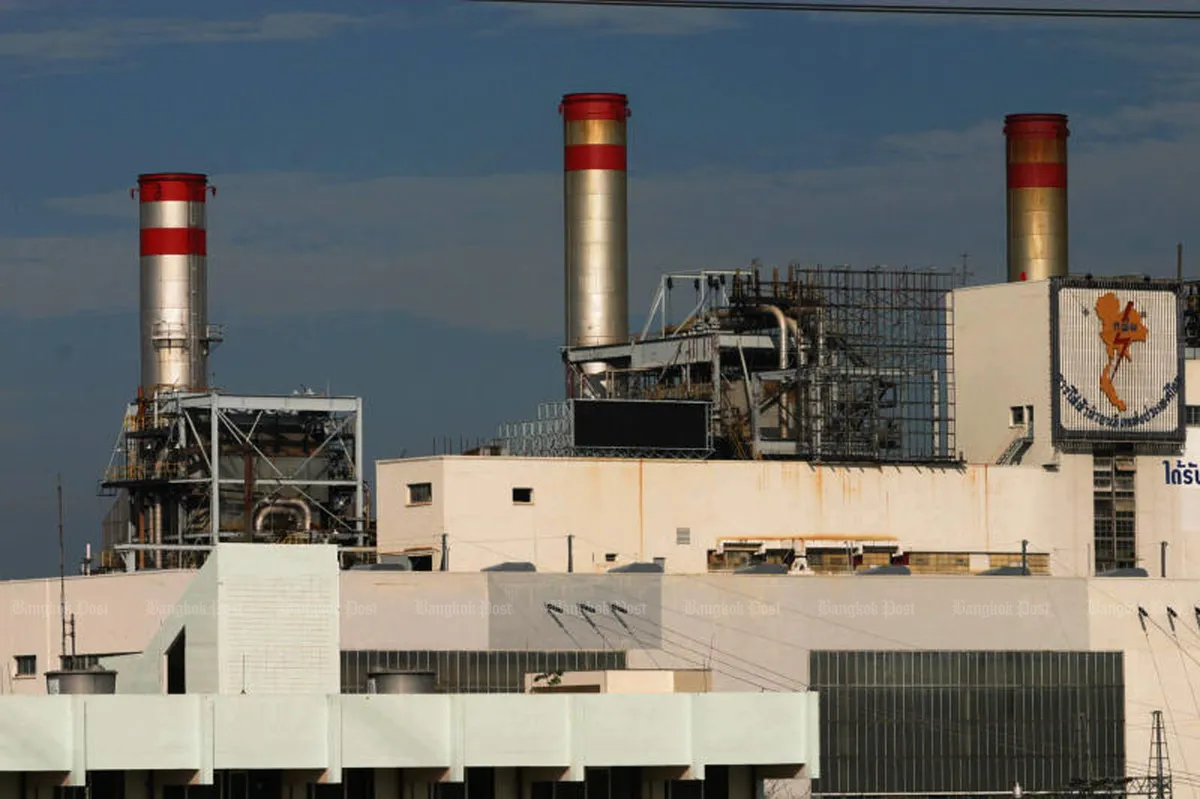
The Electricity Generating Authority of Thailand (Egat) has initiated a five-phase plan to develop the nation’s inaugural small modular reactor (SMR), with a 300-megawatt unit slated to commence commercial operations in 2037. This initiative is a cornerstone of Thailand’s long-term energy strategy, aiming to bolster energy security while supporting the country’s transition towards net-zero emissions.
Understanding Small Modular Reactors (SMRs)
Small modular reactors are a type of nuclear power technology capable of generating up to 300 megawatts per unit, roughly one-third the size of conventional nuclear reactors. Their enhanced safety features and smaller, modular design make them an attractive option for low-carbon electricity generation. Egat is currently reviewing SMR technologies from leading nations including the U.S., China, Russia, and Canada, engaging in technical cooperation and seeking to deepen its understanding of the technology.
Egat’s Five-Phase Development Roadmap
The first phase of the project has already begun with a pre-feasibility study. According to Mr. Chaitat Iamkittiphan, Egat’s Deputy Governor, this phase will conclude with a comprehensive report submitted to the cabinet for formal approval. Egat also plans to collaborate with the Office of Atoms for Peace, Thailand’s nuclear regulator, to ensure site licensing requirements are met and safety standards are secured.
Phase Two: Engineering and Environmental Assessments
In the second phase, Egat will conduct detailed engineering studies and environmental and health impact assessments. This thorough evaluation is crucial before proceeding with SMR technology procurement, which is dependent on cabinet approval.
Phase Three: Construction
The third phase involves the construction of the reactor. Mr. Iamkittiphan highlighted that SMRs can be built more quickly than large conventional nuclear plants because major components are manufactured in factories and transported to sites for assembly, reducing construction risks and delays. Egat anticipates the reactor will operate for 60 to 80 years.
Phase Four: Powering Thailand’s Growth
Under the fourth phase, the reactor will supply carbon-free electricity to support Thailand’s expanding digital economy and industrial development. This clean energy source is vital for meeting the nation’s net-zero targets.
Phase Five: Operational Management and Infrastructure
The final, fifth phase covers spent fuel management, fuel handling, and plant commissioning, adhering to standards set by the International Atomic Energy Agency (IAEA). This phase also involves coordinating with government agencies to oversee Thailand’s readiness for infrastructure issues recommended by the IAEA, addressing greenhouse gas emissions and balancing the country’s energy needs.
Building Public Trust and International Collaboration
Mr. Iamkittiphan stated that establishing a Nuclear Energy Program Implementation Organization, chaired by the prime minister, will be essential for progress over the next 3-5 years. The project will also involve public engagement campaigns to build community acceptance and trust. Independent reviews will be invited from IAEA experts.
Future SMR Deployment
Thailand has plans to deploy additional SMRs with a combined capacity of 8.7 gigawatts under the 2022-2037 Power Development Plan (PDP). These additional units aim to help the country absorb emissions and balance its greenhouse gas emissions by 2050. The SMR development is positioned as a pivotal clean power solution to satisfy the surging electricity demand from high-tech manufacturing and data centers, while preserving grid reliability.
The SMR project represents a significant step for Thailand in accelerating its energy transition and achieving its ambitious climate goals. The successful implementation of this technology is expected to provide a reliable and clean energy supply for decades to come.
