

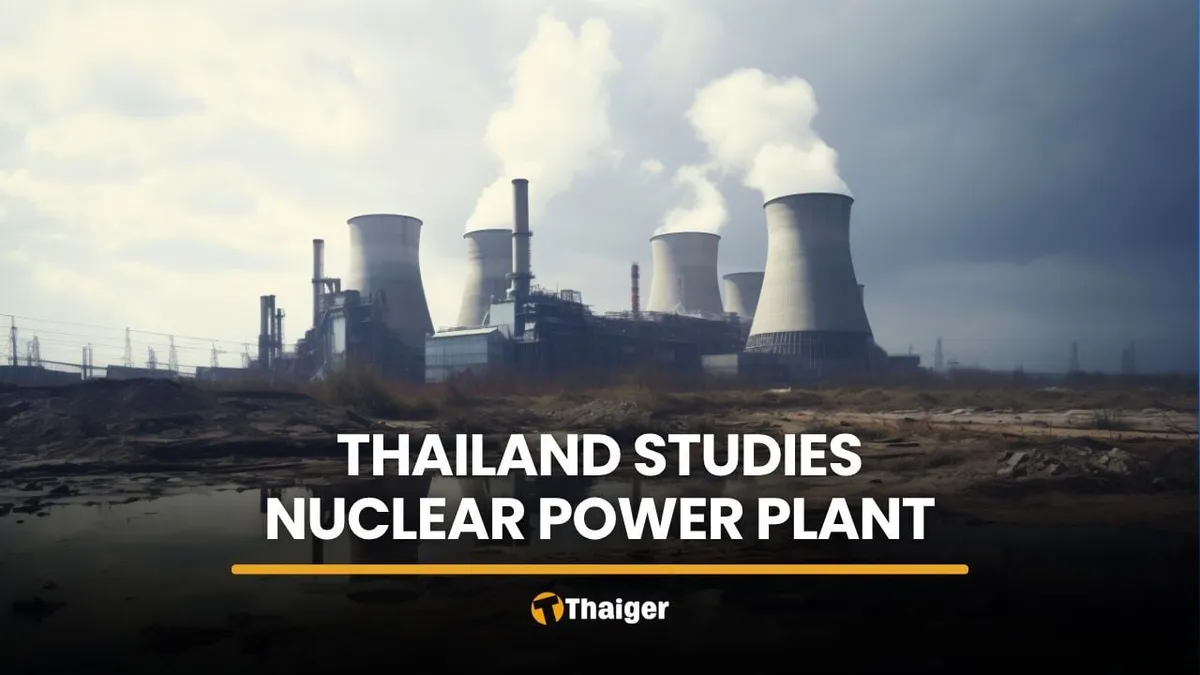
Thailand is embarking on a significant step toward potentially developing its first nuclear power plant, initiating a preliminary feasibility study focused on American small modular reactor (SMR) technology. The Electricity Generating Authority of Thailand (EGAT) has formalized this exploration through an agreement with the U.S. Trade and Development Agency (USTDA), signaling a collaborative effort to assess the viability of nuclear energy as part of the nation’s future power generation mix.
Assessing Small Modular Reactor Technology
The USTDA-announced agreement, effective September 14, will support a comprehensive study examining SMR technology. These advanced reactors are designed to generate approximately 600 megawatts of electricity, a capacity sufficient to power hundreds of thousands of households. This initiative aligns with Thailand’s ongoing efforts to diversify its energy sources and meet escalating electricity demands, with SMRs being considered a key component of its long-term energy strategy.
The scope of the study is extensive, aiming to identify potential sites for a nuclear facility, estimate the associated costs, and outline the regulatory framework Thailand would need to establish. Importantly, the study will maintain neutrality regarding specific technology providers, evaluating reactor designs from seven prominent U.S. companies. These include GE Hitachi, Holtec, Kairos Power, NuScale, TerraPower, Westinghouse, and X-Energy. The ultimate goal is to provide EGAT with the necessary insights to determine if SMRs can enhance the security and diversity of Thailand’s electricity supply, while also clarifying the requirements for building a nuclear infrastructure.
U.S. Support and Strategic Energy Goals
Thomas R. Hardy, Deputy Director of the USTDA, highlighted that the agreement underscores the U.S. commitment to advancing American nuclear innovation and broadening access to reliable energy technologies. He further emphasized the project’s role in the broader context of U.S. energy cooperation within the Indo-Pacific region, particularly in bolstering regional energy security.
This development occurs as Thailand actively evaluates the potential integration of nuclear technology into its future energy landscape. The USTDA suggests that developing SMR infrastructure could significantly improve the flexibility and resilience of Thailand’s electricity grid, thereby supporting sustained economic and industrial growth amidst rising energy consumption.
Building a Foundation for Future Energy Security
Dr. Narin Phaowanich, Governor of EGAT, stated that the study represents a crucial foundational step for Thailand. It will enable the nation to thoroughly assess whether SMR technology can effectively strengthen energy security and contribute to a cleaner energy future. Dr. Phaowanich also views this collaboration as a valuable opportunity for EGAT to gain insights from U.S. expertise, experience, and advanced nuclear technology, fostering deeper cooperation between the two nations.
The recommendations stemming from this study are expected to influence Thailand’s strategic approach to a potential nuclear power program. Furthermore, the initiative is anticipated to create opportunities for U.S. companies to engage in future infrastructure development projects within Thailand, as USTDA-supported projects are typically executed by American firms. The agency plans to issue a request for proposals for the study through its international bidding platform.
A Step in Long-Term Energy Assessment
This agreement marks a significant progression in the long-standing relationship between Thailand and the United States concerning energy cooperation. However, it is crucial to note that the current work is strictly confined to the feasibility study phase. Thailand continues its comprehensive assessment to determine the precise role, if any, that SMRs will play in its evolving electricity system.
Key Aspects of the Study:
- Technology Focus: Examination of U.S. Small Modular Reactor (SMR) technology.
- Capacity: SMRs capable of generating approximately 600 megawatts.
- Objectives: Assess feasibility, potential sites, costs, and regulatory needs.
- Vendor Neutrality: Consideration of designs from seven U.S. companies.
- Strategic Goals: Enhance energy security, diversify supply, and support economic growth.
The outcome of this study will be instrumental in guiding Thailand’s decision-making process regarding nuclear energy, balancing the potential benefits of advanced technology with the rigorous requirements of safety, security, and environmental stewardship.
