

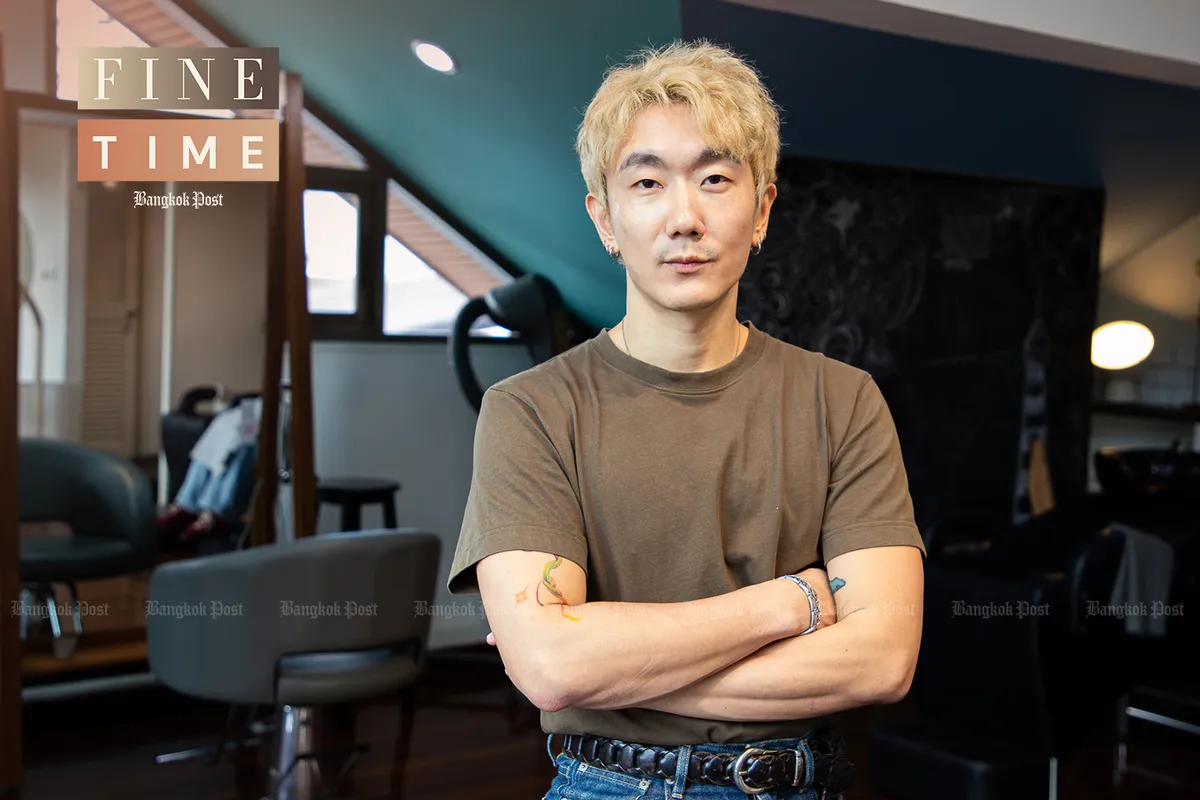
Maintaining vibrant, healthy hair as we age is achievable with the right knowledge and daily practices. Wiput Jaruthamakorn, co-founder of Roof Hair Salon, shares essential insights into hair health, from foundational care to specific strategies for addressing common concerns like thinning and hair loss. He emphasizes that true healthy hair is less about a commercial ideal and more about hair that makes an individual feel confident and is manageable for their lifestyle.
The Foundation of Healthy Hair
Jaruthamakorn stresses that hair health begins internally, supported by good nutrition, adequate sleep, and regular exercise. These fundamental aspects of well-being directly impact the vitality of hair follicles. Externally, hair care routines should be tailored to individual hair types and lifestyles. He likens scalp care to facial skincare, highlighting the importance of keeping the scalp hydrated. The health of hair roots, where hair grows, is also crucial. As individuals age, these roots may naturally weaken, potentially leading to finer, less lustrous hair.
Defining Healthy Hair
Contrary to popular depictions in media, healthy hair isn’t necessarily the ultra-smooth, silky texture often advertised. Jaruthamakorn explains, “That’s a misconception. There was a time where everyone wanted straight and shiny hair and ended up doing hair straightening.” Instead, he defines healthy hair as hair that complements one’s personality, boosts confidence, is easy to manage, does not interfere with daily activities, and does not exacerbate thinning or hair loss.
Everyday Habits That Can Damage Hair
Daily wear and tear on hair can be mitigated by adopting proper care techniques, particularly during washing. Jaruthamakorn advises applying shampoo primarily to the scalp, as this is where oil and residue accumulate most. The shampoo will naturally cleanse the strands as it rinses down. Conditioner, he notes, should be used after every wash. It helps to restore the scalp’s pH balance, which can become slightly alkaline after shampooing, causing the hair cuticles to open. Leaving the cuticles open can lead to long-term damage, often mistaken for a lack of volume. “Everyone should use and understand the different types of conditioner,” he urges, pointing out that conditioners are formulated with varying particle sizes to suit different hair needs.
Gentle Handling and Drying Techniques
Hair is particularly vulnerable when wet. Jaruthamakorn recommends gently squeezing excess water out with a towel rather than rubbing. Rubbing should be reserved for the scalp if necessary. While air-drying might seem appealing, especially in humid climates, it’s not ideal as a damp scalp can foster bacterial growth. When blow-drying, the focus should be on drying the scalp rather than the ends. Moderate heat is recommended, and a lower-powered dryer can be used closer to the head.
Hair Dyeing and Aging
For those considering hair coloring as they age, Jaruthamakorn offers encouraging advice: “Not saying this to get a customer or anything. If colouring helps you feel confident when you wake and look in the mirror, go for it.” He acknowledges concerns about chemical risks but points out that modern products increasingly incorporate natural ingredients and aim to minimize potential harm. Patch testing is also a valuable step for identifying any specific ingredients to avoid. For individuals who prefer not to manage frequent root touch-ups every few weeks, highlighting offers an alternative. This technique can effectively blend gray hairs rather than covering them entirely, though it still involves bleaching, which can damage the hair shaft.
Environmental Factors and Hair Care
Different environments necessitate varied hair care approaches. Working outdoors exposes hair to pollution and increased UV radiation, which can accelerate the deterioration of hair roots and fade color. Frequent washing with a suitable daily shampoo is recommended in such conditions. Protecting the hair with hats or headscarves, and using UV-protective leave-in serums, can offer additional defense. Conversely, those who spend most of their time indoors may only need to wash their hair two to three times a week. The natural oils produced by the scalp help moisturize both the hair and scalp, so daily shampooing isn’t necessary. Even for indoor exercisers, if hair feels sticky, a simple rinse with water may suffice.
Addressing Hair Loss and Thinning
Hair loss is a common concern that often accompanies aging, particularly for men due to hormonal factors. Jaruthamakorn advises early intervention for those noticing the initial signs of hair loss. For advanced cases, he mentions that hair transplants have become more efficient and affordable over the past decade. Thinning hair, however, can often be reversed. A nutritious diet supports the hair roots, promoting the growth of stronger, thicker strands. If thinning becomes a significant issue, consulting a doctor is recommended. Regarding hairstyles, shorter cuts can create an illusion of fullness. If thinning is concentrated on the top, keeping the sides shorter can help achieve a balanced look. Ultimately, a stylist can best assess and recommend a style that suits an individual’s specific needs
