

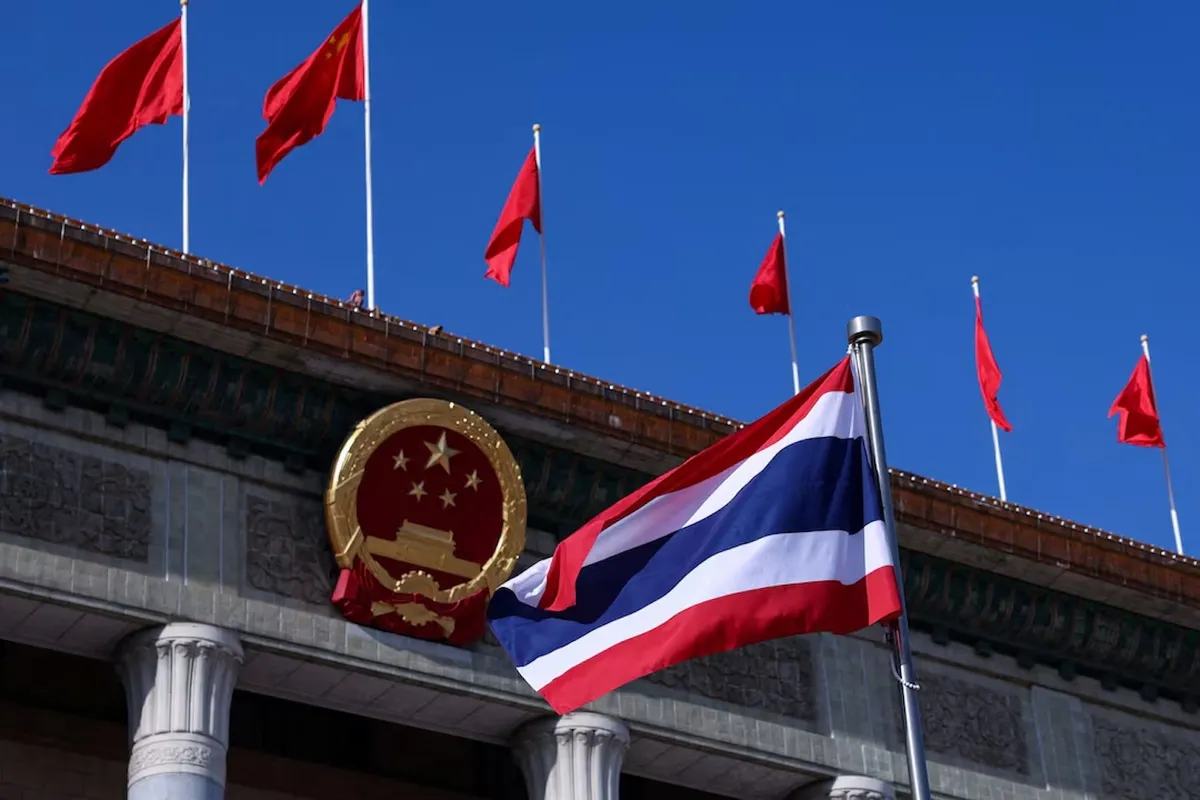
Human rights organizations are urgently appealing to Thailand to prevent the deportation of Chinese journalist Bai Zhaodong, who they state is facing intense pressure from Beijing due to his reporting on the Chinese government. Reporters Without Borders (RSF) and Safeguard Defenders, a Spain-based group focusing on Asian rights, issued a joint statement on Wednesday detailing Mr. Bai’s precarious situation.
Detention and Deportation Concerns
According to the rights groups, Bai Zhaodong has been detained by Thai authorities since January. He is currently held at the immigration detention center in Bangkok and has been barred from leaving the country. His case highlights broader concerns about individuals critical of Beijing seeking refuge in Thailand.
Also detained at the Suan Phlu immigration center is Zhang Xinyan, who was apprehended earlier this month shortly before she was scheduled to depart for Canada under a refugee resettlement program. Ms. Zhang, aged 55, is one of 19 activists living abroad who are subjects of arrest warrants issued by Hong Kong police in July 2025. These warrants accuse them of subversion under the National Security Law imposed by Beijing, with potential rewards for their capture ranging from HK$200,000 to HK$1 million.
Human Rights Watch has indicated that both Ms. Zhang and Mr. Bai are among four individuals who have criticized Beijing and hold refugee status but are now at risk of being deported from Thailand. Official responses from the Chinese and Thai foreign ministries regarding Mr. Bai’s case were not immediately available when requested.
Journalist’s Reporting and Persecution Allegations
The rights groups assert that Bai Zhaodong’s reporting exposed a significant network involved in corruption and financial fraud, implicating both local government officials and higher-ranking members of the Chinese Communist Party. Following this reporting, he allegedly faced severe persecution, including increased surveillance, criminal charges, interrogations, and detentions within China.
Mr. Bai reportedly fled China in 2023. The following year, the Public Security Bureau in Yulin, China, issued an arrest warrant against him. This history underscores the potential dangers he faces if returned to China.
Calls for International Protection
Laura Harth, a director at Safeguard Defenders, emphasized in the statement that Thai authorities must resist the escalating pressure from China to detain and return individuals facing political persecution. She urged Thailand to uphold its international and domestic commitments, particularly those prohibiting torture.
The statement from Safeguard Defenders and RSF outlines that Bai Zhaodong faces a “foreseeable, present, personal and real risk of political persecution, arbitrary detention, enforced disappearance, torture and other serious human rights violations” should he be deported to China. This highlights the grave human rights concerns associated with his potential return.
Broader Context of Journalist Detentions
Aleksandra Bielakowska, advocacy manager for the Asia-Pacific region at Reporters Without Borders, commented on the broader situation for journalists in China. She noted that the Chinese regime has become notorious for its systematic persecution of reporters, maintaining its position as the world’s leading jailer of journalists, with 120 individuals currently detained.
“Should Bai be forcibly returned to China, he would face not only persecution but also grave risks to his personal safety,” Ms. Bielakowska stated, underscoring the severe personal danger Mr. Bai could face. The situation of Mr. Bai and Ms. Zhang raises critical questions about Thailand’s role in providing refuge and adhering to international human rights standards when faced with diplomatic pressure from powerful nations.
Conclusion
The ongoing detention and potential deportation of Bai Zhaodong and Zhang Xinyan by Thai authorities, under alleged pressure from Beijing, have drawn significant international attention. Rights groups are making a strong plea for Thailand to uphold its obligations to protect individuals fleeing political persecution and to ensure their safety by refraining from deportation to China, where they face severe risks to their freedom and well-being.
