

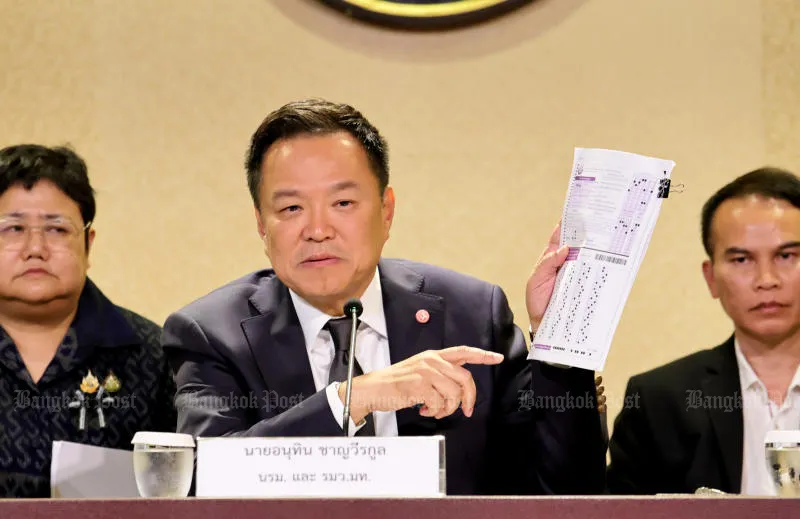
An extensive investigation into a significant examination fraud scandal is underway, spearheaded by the Anti-Money Laundering Office (Amlo), as part of a broader government effort to root out corruption in recruitment processes. The scandal involves the alleged alteration of thousands of candidate answer sheets to ensure passing scores, prompting swift action from authorities to restore integrity to public service appointments.
Key Figures and Allegations in the Exam Fraud Probe
The investigation has identified multiple suspects, including high-ranking officials and individuals accused of facilitating the fraudulent scheme. Authorities have divided the suspects into two primary groups:
- State Officials Accused of Abuse of Power: Two prominent figures have been summoned and face charges related to abuse of power. These include Theerut Suphawiboonphol, formerly the director-general of the Department of Local Administration (DLA), and Ruangdej Sirikij, the director of the Educational and Psychological Test Bureau at Srinakharinwirot University. The core accusation against them is that they allegedly enabled the manipulation of candidates’ answer sheets, thereby compromising the fairness of the examinations.
- Individuals Facing Computer Crime and Illegal Gathering Charges: A second group, comprising at least 11 other suspects, is expected to be charged with offenses including illegal gathering and violations of the Computer Crime Act. These charges suggest a coordinated effort involving the illicit collection of information and the use of digital means to perpetrate the fraud.
Timeline and Next Steps in the Investigation
Investigators are working diligently to conclude the case, with a submission to the National Anti-Corruption Commission (NACC) anticipated by Wednesday. This rapid pace underscores the government’s commitment to addressing the issue promptly and decisively.
Disqualification of Candidates and Revocation Process
In parallel with the criminal investigation, a significant administrative action is being taken to address the compromised examination results. The government is actively working to disqualify approximately 5,925 candidates whose results were allegedly altered to secure passing grades. This decision was formalized following a meeting of the Local Personnel Administration Committee (LCAC).
The LCAC has established August 31 as the deadline for completing these revocations. Once the final list of vacancies is confirmed and the disqualifications are finalized, the process for making replacement appointments is expected to commence around October. This phased approach aims to ensure that legitimate candidates are considered for the positions.
Government’s Commitment to Fairness and Public Trust
A separate committee, tasked with a comprehensive review of the examination fraud, is led by Deputy Prime Minister Pakorn Nilprapunt. This committee will submit its findings and recommendations to the government, paving the way for further legal actions against those found responsible.
Government spokespersons have emphasized a strong commitment to ensuring fairness throughout this process. The objective is not only to prosecute individuals involved in the fraudulent scheme but also to rebuild public confidence in the integrity of recruitment examination procedures. Furthermore, the government aims to implement measures that will prevent similar incidents from occurring in the future, thereby safeguarding the meritocratic principles of public service.
Broader Implications and Future Prevention
The scandal highlights systemic vulnerabilities that can be exploited within large-scale recruitment processes. The government’s response, encompassing both punitive measures against offenders and preventative strategies, signals a determination to uphold ethical standards. By holding individuals accountable and reinforcing the security and transparency of examinations, authorities hope to deter future attempts at corruption and ensure that public appointments are based on genuine merit and qualification. The successful prosecution of offenders and the subsequent reforms are crucial steps in restoring faith in the fairness and reliability of the civil service examination system.
