

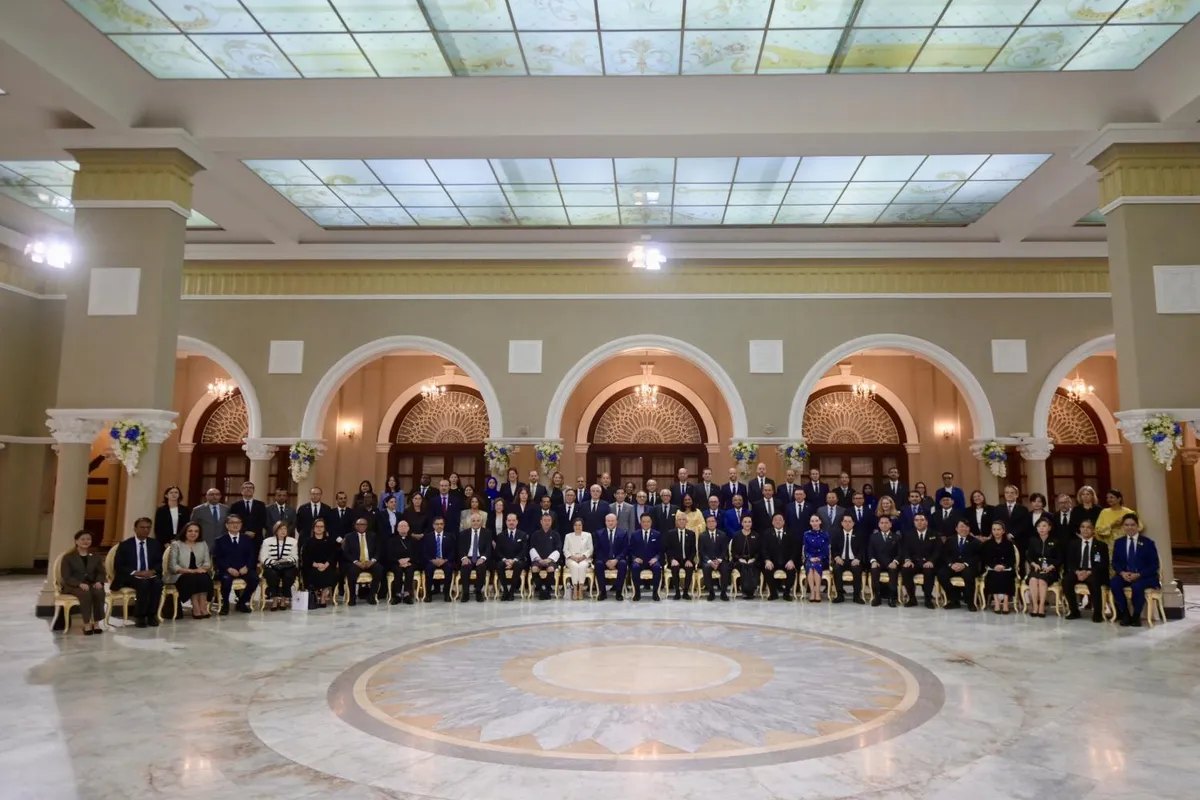
Prime Minister Anutin Charnvirakul has called upon Thailand’s diplomatic corps to actively seek out and foster new avenues for investment, technological advancement, and market access. The directive comes as the nation strategically pivots towards developing and embracing future-oriented industries, aiming to secure long-term economic growth and competitiveness on the global stage.
Strategic Economic Pivot
The Prime Minister emphasized that the role of diplomats extends beyond traditional foreign relations and political engagement. They are now tasked with becoming key economic catalysts, leveraging their positions and networks to identify and cultivate opportunities that align with Thailand’s evolving industrial landscape. This strategic shift underscores a national commitment to moving away from traditional economic models and embracing sectors with higher growth potential and innovation capacity.
Focus on Future Industries
Thailand is actively pursuing a policy of economic transformation, with a particular focus on industries such as advanced manufacturing, digital technology, biotechnology, renewable energy, and the creative economy. The government believes that these sectors hold the key to sustainable development and will create high-value jobs for its citizens. Diplomats are expected to play a crucial role in this transition by:
- Identifying Investment Prospects: Scouting for foreign direct investment (FDI) in targeted future industries, connecting potential investors with Thai government agencies and private sector partners.
- Facilitating Technology Transfer: Encouraging the adoption of cutting-edge technologies and innovative practices from abroad through partnerships, joint ventures, and research collaborations.
- Opening New Markets: Exploring and developing export markets for Thai products and services within these emerging sectors, helping Thai businesses expand their global reach.
- Promoting Thailand as a Hub: Marketing Thailand as an attractive destination for investment, research, and development in future industries, highlighting its strategic location, skilled workforce, and supportive government policies.
Leveraging Diplomatic Networks
Anutin highlighted the extensive reach and unique access that diplomats possess within their host countries. This network, he stated, is an invaluable asset that can be harnessed to promote Thailand’s economic agenda. By engaging with foreign governments, business leaders, academic institutions, and industry associations, diplomats can build bridges and create a conducive environment for bilateral economic cooperation.
The Prime Minister urged diplomats to be proactive in their approach, moving beyond passive representation to actively champion Thailand’s economic interests. This involves not only reporting on opportunities but also actively engaging in outreach, negotiation, and facilitation to bring tangible benefits back to the country. The success of this initiative will be measured by the concrete investments secured, technologies acquired, and markets penetrated as a direct result of diplomatic efforts.
Building a Resilient Economy
The push towards future industries is also seen as a strategy to build a more resilient and diversified Thai economy, less susceptible to global economic fluctuations and the challenges posed by automation and changing consumer demands. By investing in innovation and high-growth sectors, Thailand aims to enhance its long-term economic stability and improve the quality of life for its people.
The Prime Minister’s directive signals a clear mandate for the diplomatic service to actively contribute to the nation’s economic development goals. It reflects a broader understanding that in today’s interconnected world, economic diplomacy is as vital as traditional political diplomacy in ensuring national prosperity and progress.
