

New Regulations Prohibit Executive Bonuses
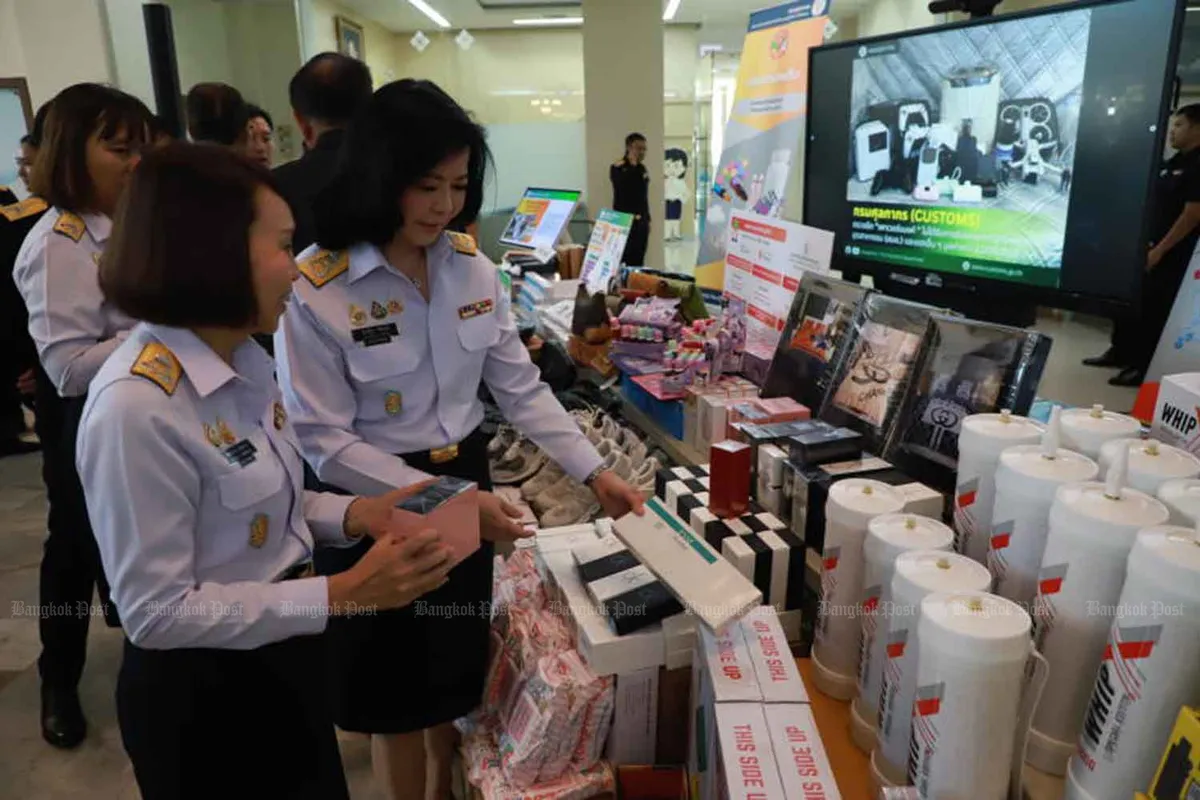
The Finance Ministry has finalized amendments to regulations concerning rewards for executives, with the new rules taking effect immediately upon their publication in the Royal Gazette. This development signals a significant shift in how customs officials are compensated, particularly concerning seizures of illicit goods.
Following the finalization of these regulations, all levels of customs officials will be prohibited from receiving rewards. This move is intended to reinforce governance and transparency within the department, aiming to bolster public trust. The decision aligns with recommendations from the government and the Office of the National Anti-Corruption Commission, which had previously urged a review of reward systems in law enforcement agencies due to concerns about potential corruption.
International Standards and Reform Efforts
The cancellation of the reward system is also a component of Thailand’s broader legal and regulatory reform agenda, as the nation actively pursues membership in the Organisation for Economic Co-operation and Development (OECD). The OECD places a strong emphasis on public governance and anti-corruption initiatives, making this reform a crucial step in meeting international standards.
Adjusting Reward Criteria
In parallel with the ban on executive rewards, the department is revising the criteria for eligibility for any remaining reward structures. These are being categorized into three distinct groups: officials directly involved in detecting and seizing smuggled goods, those who participate in a seizure operation, and individuals who provide assistance in making an arrest. Furthermore, the department is undertaking a review of the monetary value of these rewards to ensure they appropriately reflect the performance of officials in successful seizures.
While existing laws permit rewards, the department has indicated a readiness to adapt its rules if such systems are perceived to negatively impact law enforcement effectiveness.
