

EC Chief Remains Silent on Performance Evaluation Amidst Low Score Rumors
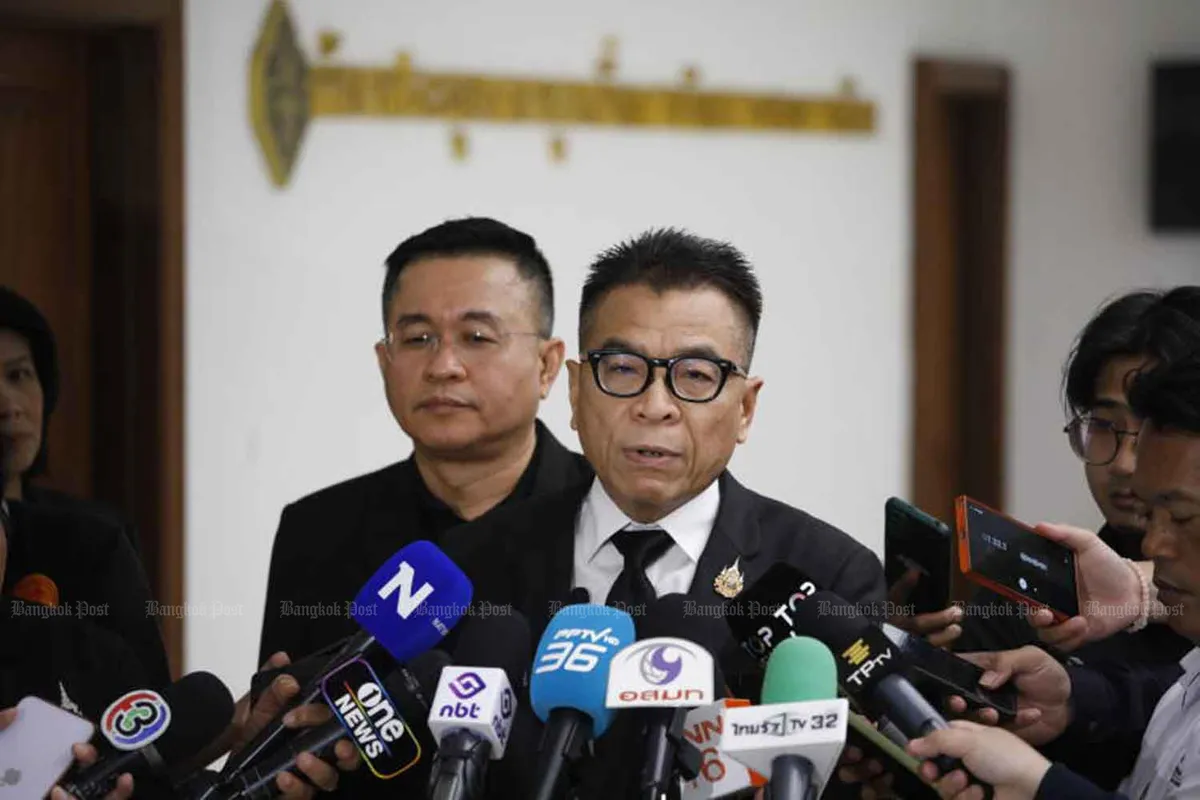
Election Commission (EC) Chairman Sawaeng expressed a firm stance of no comment when questioned about reports suggesting his performance evaluation score fell below 60%. Some media outlets indicated that commissioners had voted 4-3 against approving his assessment.
“I am the person being evaluated. I have no comment,” Mr. Sawaeng stated directly. He confirmed that the assessment, which covered his performance throughout 2025, has already been completed.
When asked about the potential for the matter to be referred to the Council of State for a legal opinion—specifically concerning the eligibility of commissioners whose terms had expired to participate in the evaluation—Mr. Sawaeng indicated that the EC might seek a formal interpretation.
Focus Shifts to Public Participation in Election Monitoring
In a separate address at the opening of the third Media Relations Programme, held in anticipation of the June 28 elections for Bangkok governor and the Bangkok Metropolitan Council, Mr. Sawaeng emphasized the critical role of public participation in election monitoring.
He asserted that election outcomes ultimately belong to the public, while the EC’s mandate is to organize the electoral process. Mr. Sawaeng characterized local elections as a fundamental pillar of democracy, stressing that public scrutiny is indispensable given the EC’s limited personnel to oversee every polling station nationwide.
Addressing Election Integrity Challenges
Thailand operates over 600,000 polling stations and election units, with the EC employing approximately 2,500 staff members across the country. Mr. Sawaeng urged citizens to actively observe polling and vote-counting procedures.
He pointed out that numerous complaints often emerge after results are announced, rather than during the actual counting process. Referencing controversies surrounding vote counts in several provinces during the February 8 elections, including Chon Buri and Pathum Thani, he suggested that concerns would be more effectively addressed if raised while election officials are actively performing their duties.
“The EC is responsible for organizing it, but transparency depends on the participation of citizens,” Mr. Sawaeng concluded.
