

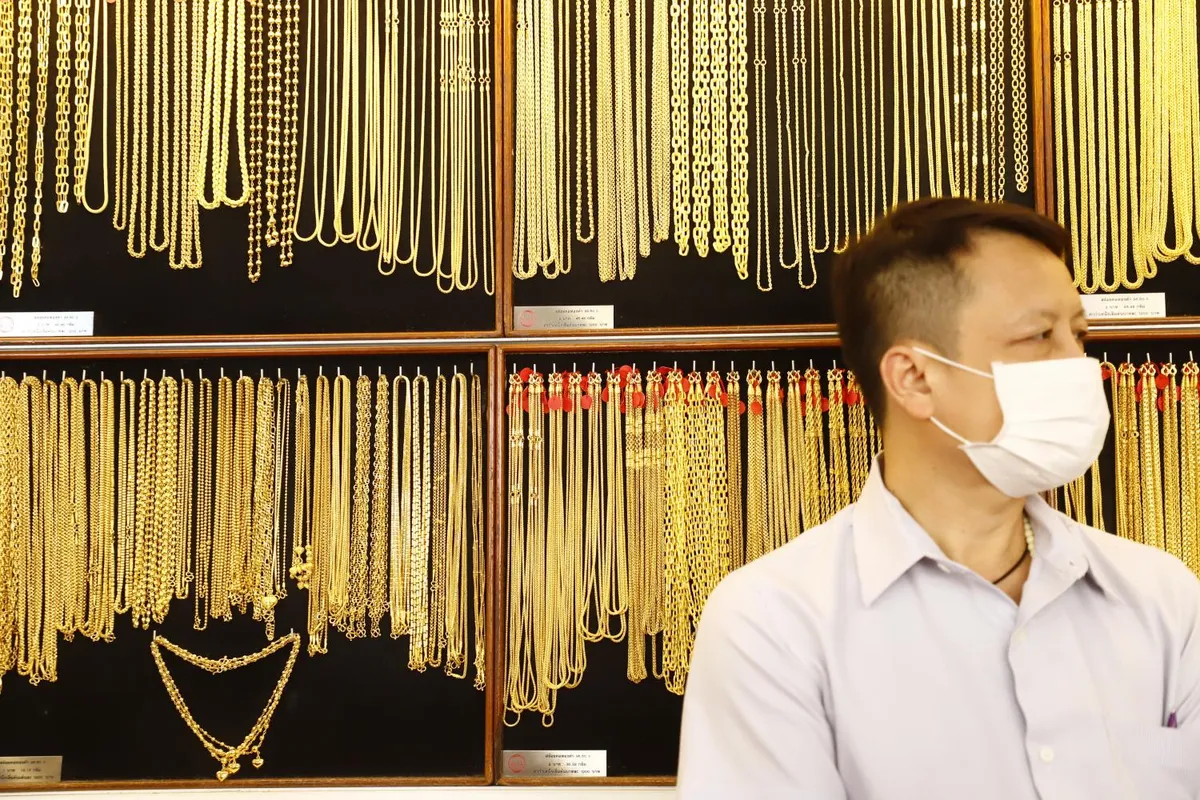
Gold prices have dropped 16% from their peak of $5,595 per ounce on January 29, yet traders maintain a bullish outlook as demand stays robust. Investors snap up gold bars and coins, while central banks worldwide continue aggressive accumulation.
Record Q1 Demand Surge
Global gold demand reached 1,231 tonnes in the first quarter, valued at $193 billion. This marks a 74% increase year-on-year and the highest quarterly total ever recorded.
Retail investment in gold bars and coins soared 42% to 474 tonnes, the second-highest level in history.
Central Banks Boost Reserves
Central banks posted net purchases of 244 tonnes during the quarter, a 3% rise from the previous year. This extends their buying streak to 17 consecutive months, even as gold prices climb over 80% on an annualized basis.
Asia Drives Global Momentum
China leads the charge, with investors buying 207 tonnes of gold bars and coins—a 67% jump year-on-year and a new quarterly record, eclipsing the prior high of 155 tonnes from 2013. India, South Korea, and Japan also ramp up gold allocations significantly.
Investor Behavior Diverges
Pawan Nawawattanasub, chief executive of YLG Group, highlights a key trend: Asian investors pile into physical gold, while U.S.-based investors pull back from gold exchange-traded funds. ETF outflows in March outpaced combined inflows from January and February.
“This signals a structural shift in the global gold market,” Nawawattanasub states. “Western investors weigh gold’s opportunity cost against high U.S. Treasury yields, but Asians see gold as a safe haven and long-term store of value to hedge currency and market risks.”
She notes this Asian mindset, rooted in centuries of tradition, proves resilient to interest rate fluctuations. Major financial institutions share the optimism for gold’s future.
Bullish Price Forecasts
Goldman Sachs forecasts prices at $5,400 per ounce this year. JPMorgan Chase and BNP Paribas project $6,250-$6,300, above the current $4,700-$4,800 range. Deutsche Bank eyes $8,000 within five years, fueled by de-dollarization and central bank diversification.
Ongoing Structural Demand
Market data points to sustained buying beyond speculation, driven by central banks and Asian investors. Nawawattanasub observes, “Demand for bars and coins underscores a move away from U.S. dollar reliance amid economic and geopolitical uncertainties.”
Even with easing tensions or Federal Reserve rate cuts, no slowdown appears in central bank or Asian demand.
China’s People’s Bank recently added 260,000 ounces—about 8.1 tonnes—in April after prices eased. This volume dwarfs the average monthly pace from October 2025 to February 2026 by 8.7 times, marking 18 straight months of reserve growth.
