

Gen Z’s Shifting Relationship with Alcohol
A prevailing narrative suggests that Generation Z is largely abstaining from alcohol. However, recent data indicates this is only partially accurate. Consumption among this demographic has actually seen an increase, rising from 66% in 2023 to 73% by early 2025. This suggests that earlier dips in consumption were more likely influenced by financial pressures than a fundamental cultural shift towards sobriety.
The generation is characterized as ‘sober-curious’ rather than strictly sober. This distinction is crucial, signifying an interest in controlling the circumstances, timing, and financial implications of drinking, without necessarily committing to complete abstinence. While a significant 61% of Gen Z individuals expressed intentions to reduce alcohol consumption in 2025, an increase from 40% the previous year, the decision to plan a reduction and the act of actual reduction are distinct. The non-alcoholic beverage industry has astutely positioned itself to cater to both these intentions.
Evolving Social Scene in Bangkok
In Bangkok, the transformation is less about a rejection of alcohol and more about the evolving infrastructure surrounding social activities. The rise of specialty coffee and matcha establishments, dedicated zero-proof cocktail bars, and social gatherings centered around fitness that replace traditional after-work drinks are not indicators of a generation abandoning alcohol. Instead, they reflect a demographic with a wider array of social options and the willingness to explore them.
Thailand’s stringent alcohol advertising regulations and limited sale hours have historically nudged a segment of consumers towards alternatives. The current wellness trend has provided a cultural framework for this inclination, lending a new vocabulary to the concept of being sober-curious. In Bangkok, such identities can foster distinct consumer ecosystems.
Growth in Non-Alcoholic Beverage Market
The non-alcoholic beverage market in Thailand is experiencing robust growth, particularly within the sober-curious segment. Analysis of new product launches between 2024 and 2025 reveals that flavored drinks constituted 88% of all introductions, marking a 31% surge from the preceding period. These products, appearing on convenience store shelves and cafe menus across Bangkok, are expanding the beverage category rather than directly replacing alcoholic options.
Kombuchas, botanical sodas, and adaptogenic drinks promising enhanced focus are not presented as direct substitutes for alcoholic beverages but rather as complementary choices. The consumer purchasing these on a weekday may not be the same individual ordering a Negroni on a weekend.
Segmentation, Not Abstinence, Defines Current Trends
The current landscape of Bangkok’s drinking culture is best described by segmentation rather than widespread abstinence. The craft cocktail scene continues to flourish, wine bars have solidified their presence as significant institutions, and the non-alcoholic beverage offerings have become sophisticated enough to stand alongside their alcoholic counterparts.
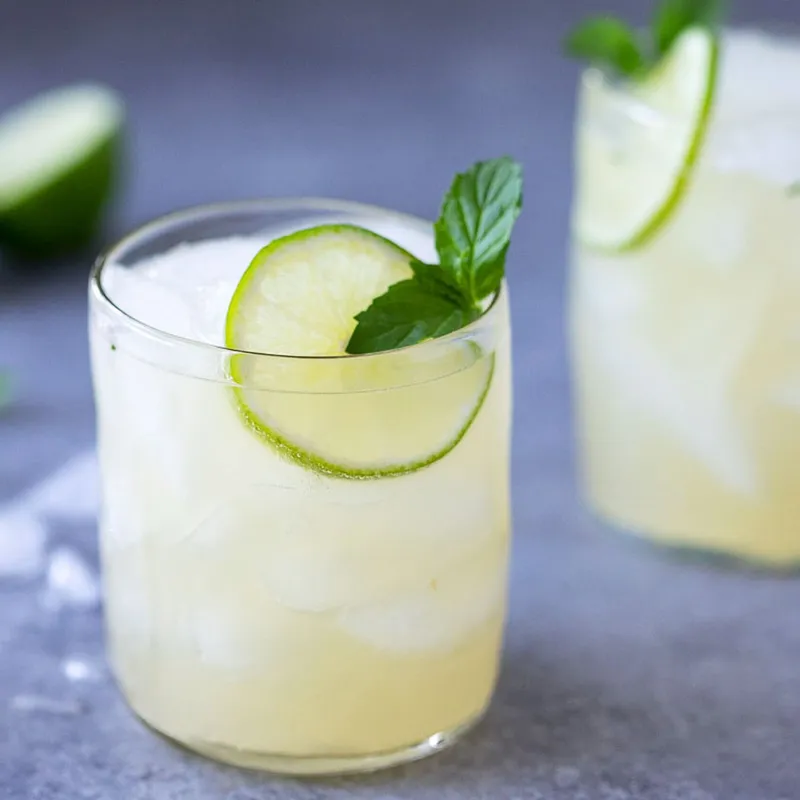
Zero-proof cocktails are now being crafted with the same level of intention and skill as traditional cocktails. Bartenders note that the absence of alcohol necessitates a higher degree of precision, making these drinks a true test of mixology expertise.
The data suggests that Bangkok is not collectively embracing sobriety, nor does it appear to have done so in the past. What has fundamentally changed is that choosing not to drink no longer requires justification. The presence of a mocktail ordered without hesitation at a reputable bar serves as a clear indicator of this evolving social acceptance.
